
Knotweed Neb
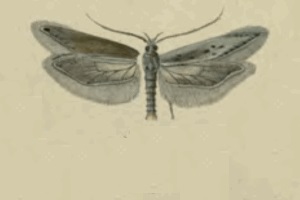
Monochroa hornigi
Photo: Wikimedia Commons (CC) via https://en.wikipedia.org/wiki/Monochroa_hornigi
Overview
A detailed profile for this species is sourced from the IUCN Red List of Threatened Species as assessments become available.
The Knotweed Neb faces severe pressure from habitat degradation as its specialized host plants, primarily knotweed species (Persicaria), are increasingly displaced by agricultural intensification and urban development. Climate change poses an additional threat by altering the phenology of both the moth and its host plants, potentially disrupting critical breeding cycles. The species' narrow ecological niche makes it particularly vulnerable to environmental changes that affect knotweed populations in riparian and wetland habitats.
Habitat
This specialized micro-moth inhabits riparian zones, wetland margins, and damp meadows where its host plants, various knotweed species (Persicaria), grow abundantly. The species requires stable moisture levels and undisturbed vegetation structure for successful larval development within the stems and seed heads of its host plants.
Other threatened species in Gelechiidae


Threatened in Åland Islands


Frequently asked questions
Why is Knotweed Neb classified as Vulnerable?
Where does Knotweed Neb live?
What are the main threats to Knotweed Neb?
Get weekly conservation intelligence
One short digest a week of the most striking species and country data we ship, plus breaking conservation news paired with our database where it matters.
Free, no spam. One-click unsubscribe in every email.