Species Explorer
Browse and search species from the IUCN Red List and GBIF.
54,666 species
kolikkokiiluri
VUDolichopus planitarsis

Konkan Tiger Toad
CRXanthophryne tigerina
The Konkan Tiger Toad faces severe threats primarily from habitat destruction due to urbanization, agriculture, and infrastructure development in its extremely limited range along the Western Ghats of India. The species is endemic to a very small area and has highly specific habitat requirements, making it extremely vulnerable to any environmental changes or disturbances.
Kønnet sølvlav
CRPhlyctis agelaea
Kønnet sølvlav (Phlyctis agelaea) is critically endangered primarily due to habitat loss and degradation of old-growth forests where this lichen species depends on specific microclimate conditions. Air pollution, particularly nitrogen deposition and acid rain, severely impacts lichen communities by altering bark chemistry and reducing air quality. Climate change further threatens this species by disrupting the delicate moisture and temperature balance required for lichen survival.
kontrastsvart klarvingesvävfluga
ENVilla panisca
Villa panisca, a specialized bee fly, faces severe population declines primarily due to habitat loss and degradation of its preferred sandy heathland and coastal dune ecosystems. The species' parasitic lifestyle makes it particularly vulnerable to declines in its host bee populations, which are themselves threatened by agricultural intensification and pesticide use.
kopparmaskros
CRTaraxacum molybdolepis
Kopparmaskros (Taraxacum molybdolepis) is critically endangered due to its extremely limited distribution in northern Sweden, where it faces habitat degradation from human activities and climate change. The species is restricted to a few small populations in specialized alpine and subalpine environments that are highly vulnerable to disturbance and environmental changes.
korallanemon
CREdwardsiella loveni
Edwardsiella loveni, the korallanemon, faces severe threats from habitat destruction due to coastal development and marine pollution in its limited range. Climate change-induced ocean acidification and warming temperatures further threaten the coral reef ecosystems this species depends on for survival.

koralltrollhummer
ENMunidopsis serricornis
Munidopsis serricornis faces significant threats from deep-sea fishing activities, particularly bottom trawling, which destroys its fragile deep-water habitat. Climate change and ocean acidification are altering the species' cold-water environment, while deep-sea mining activities pose an emerging threat to its benthic ecosystem.
Kõrge napplõug
VUGarra compressus
Kornet grenlav
VURamalina polymorpha
kornfiltlav
ENParmeliella testacea
Parmeliella testacea faces severe decline primarily due to air pollution and habitat degradation affecting the specific microenvironments required for lichen survival. The species is particularly vulnerable to nitrogen deposition and sulfur dioxide emissions which alter bark chemistry and disrupt the delicate symbiotic relationship between fungal and algal components.
Körnige Wachshaut
VUXenasma pulverulentum

Korrelpalpmot
VUTeleiodes saltuum
kort rotlusblomfluga
VUPipizella virens
korteputkisirvikäs
VULimnephilus borealis

korthårig kulhalsbock
ENAcmaeops septentrionis
The korthårig kulhalsbock (Acmaeops septentrionis) is declining primarily due to habitat loss from intensive forestry practices that remove old-growth and dead wood substrates essential for larval development. Climate change and forest fragmentation further threaten the remaining populations of this specialized longhorn beetle.
kortspriet korsetzweefvlieg
ENNeoascia geniculata
Neoascia geniculata is declining primarily due to habitat loss and degradation of wetland ecosystems across its European range. Agricultural intensification, urban development, and changes in water management practices have significantly reduced the availability of suitable breeding and foraging habitats for this specialized hoverfly species.
kostalvmattevever
ENMaro lehtineni
Maro lehtineni faces severe population declines primarily due to habitat destruction from deforestation and agricultural expansion in its limited range. Climate change and habitat fragmentation further threaten the remaining populations of this endemic spider species.
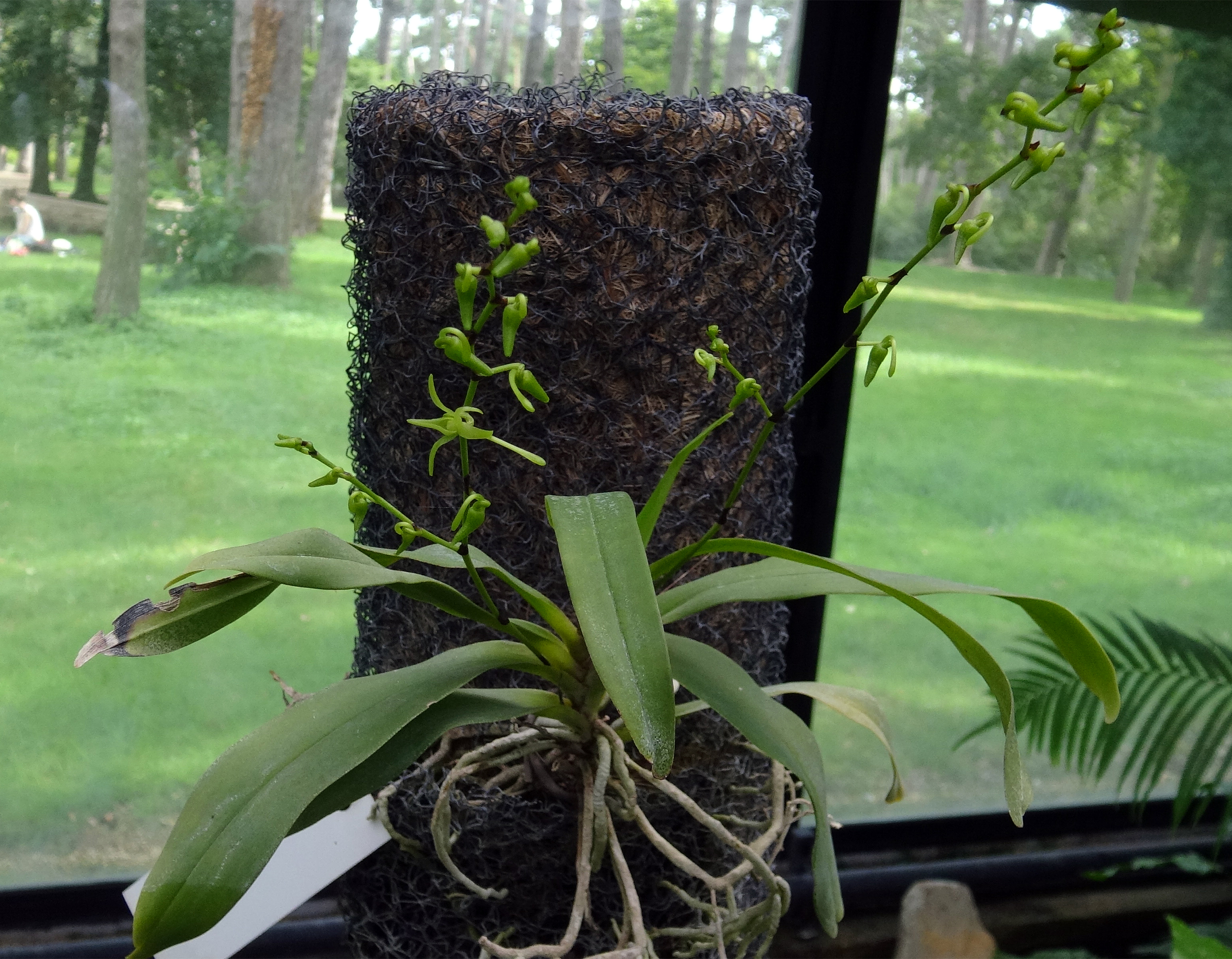
Kouzi keli
CRAngraecum calceolus
Angraecum calceolus faces severe threats primarily from habitat destruction due to deforestation and agricultural expansion in its native Madagascar. The species' extremely limited range and small population size make it particularly vulnerable to environmental changes and human activities. Climate change and collection pressure for the horticultural trade further compound these threats.
kransgelélav
CREnchylium bachmanianum
Enchylium bachmanianum, a critically endangered lichen species, faces severe decline primarily due to habitat loss and degradation from urban development and agricultural expansion. Air pollution and climate change further threaten the specialized microhabitats this species requires for survival.
kranshinnelav
VULeptogium burgessii

kristallticka
VUSkeletocutis stellae
kristallundlav
VUBacidia absistens
kritporing
CRResinoporia crassa
Resinoporia crassa, a critically endangered polypore fungus, faces severe decline primarily due to habitat loss from deforestation and degradation of old-growth forests where it depends on specific host trees. The species' extremely limited distribution and specialized ecological requirements make it particularly vulnerable to environmental changes and human activities that fragment or destroy its forest habitat.
krittrøyksopp
VUBovista cretacea
krokhorndyvel
ENOnthophagus fracticornis
The krokhorndyvel (Onthophagus fracticornis) is declining primarily due to habitat loss from agricultural intensification and urban development in its limited range. The species is particularly vulnerable due to its specialized ecological requirements and small population size, making it susceptible to local extinctions from environmental changes.
kromporing
VUPerenniporia tenuis
krönt grävkräfta
VUCalocarides coronatus

Krueper's Small White
VUPieris krueperi
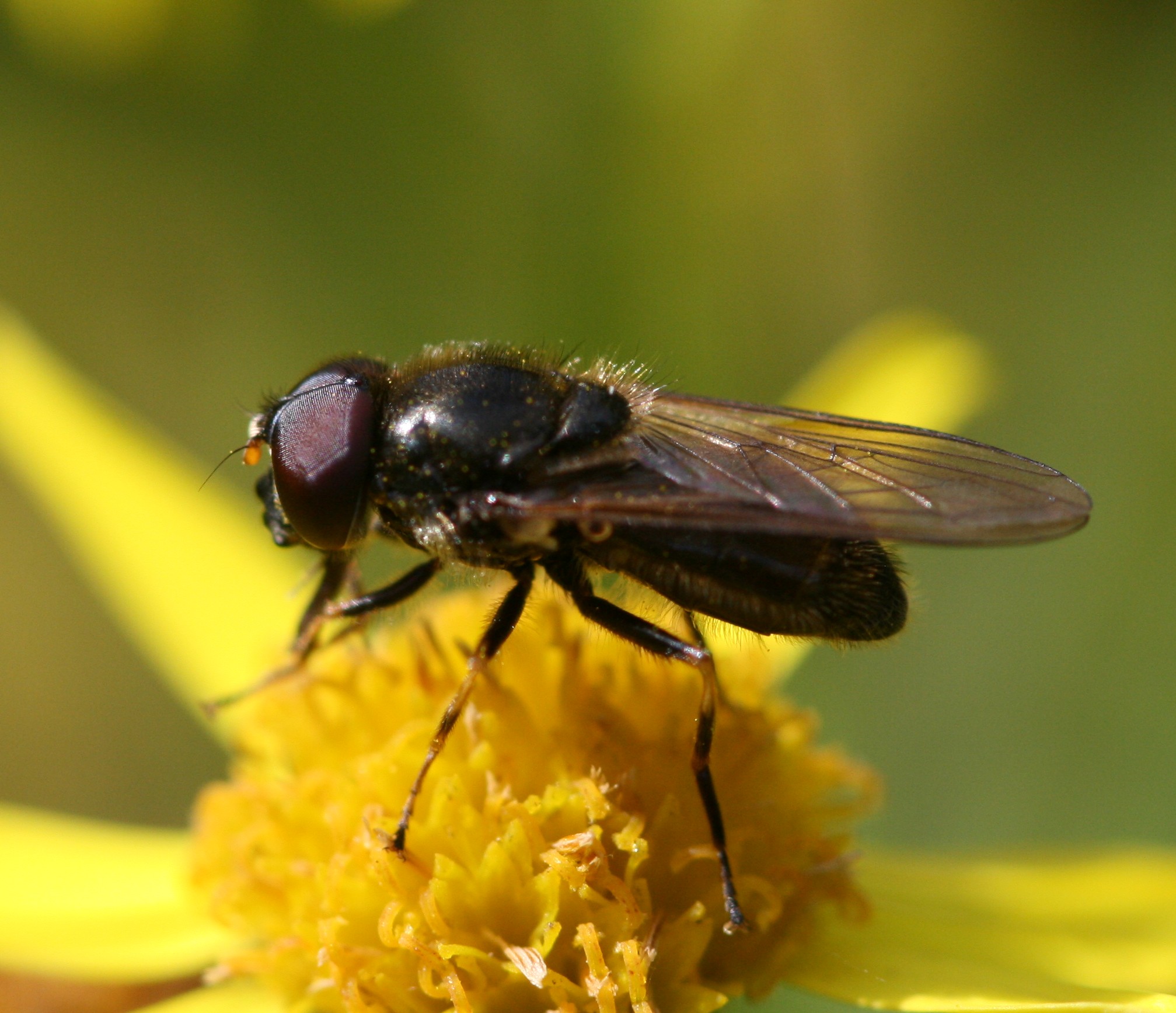
Kruiskruidgitje
ENCheilosia bergenstammi
Cheilosia bergenstammi faces severe population declines primarily due to habitat loss and degradation of its specialized wetland environments. The species is particularly vulnerable to drainage of peat bogs and marshlands, along with agricultural intensification that eliminates the specific plant communities it depends on for breeding and feeding.
Krustenförmige Kohlenbeere
ENNemania effusa
Nemania effusa faces significant threats from habitat loss due to deforestation and degradation of old-growth deciduous forests where it grows as a saprobic fungus on dead wood. Climate change and altered precipitation patterns may also affect the moisture conditions required for this species' fruiting and spore dispersal.
kryppyssling
VUAudouinella serpens
krystalltyllskinn
ENScytinostromella heterogenea
The species faces severe pressure from ocean acidification, which compromises its ability to maintain its calcium carbonate skeletal structure essential for colony integrity. Coastal development and increased sedimentation from terrestrial runoff are degrading the clear, low-turbidity waters this species requires for optimal feeding and growth.

kuddgelélav
CRArctomia fascicularis
The kuddgelélav faces severe population declines due to extensive habitat loss from deforestation and agricultural expansion across its limited range. Climate change is altering the specific temperature and humidity conditions required for this species' survival, while invasive species compete for resources and disrupt established ecological relationships.
kuggfibbla
CRHieracium intermarginatum
Hieracium intermarginatum faces severe population decline primarily due to habitat loss from agricultural intensification and urban development in its limited range. The species' extremely restricted distribution makes it particularly vulnerable to localized threats, while climate change poses additional pressure on its specialized habitat requirements.
kulehodeedderkopp
VUWalckenaeria capito
Kulsort kuldyne
VUNemania carbonacea
Kultalyyrapyrstö
VURachovia hummelincki

Kumakuma, Goliath catfish
VUBrachyplatystoma filamentosum
kuppelhodeedderkopp
ENWalckenaeria mitrata
Walckenaeria mitrata faces severe population declines primarily due to habitat destruction and fragmentation of its specialized wetland environments. Climate change and hydrological alterations are further reducing the availability of suitable bog and marsh habitats this species requires.
Küsten-Lochköpfchen
ENBaryphyma maritimum
Baryphyma maritimum faces severe population declines primarily due to coastal habitat destruction from urban development and tourism infrastructure along Mediterranean coastlines. Climate change-induced sea level rise and increased storm intensity further threaten its specialized coastal cliff and rocky shore habitats.
kustfuktspindel
VURobertus heydemanni
kustgräsminerarmal
ENElachista vonschantzi
Elachista vonschantzi faces severe population declines primarily due to habitat loss from coastal development and agricultural intensification in its limited range. The species' highly specialized relationship with specific host grasses makes it particularly vulnerable to environmental changes and habitat fragmentation.
kustgrenvivel
VUAcalles misellus

kustplatvoetje
ENPlatycheirus immarginatus
Platycheirus immarginatus faces severe population declines primarily due to habitat loss and degradation of its specialized wetland environments. Climate change and agricultural intensification are reducing the availability of suitable breeding and foraging sites, while pollution from agricultural runoff further degrades remaining habitat quality.
kustraggvivel
CRRhinusa pilosa
Rhinusa pilosa faces severe population declines due to habitat destruction from agricultural expansion and urbanization across its range. The species' specialized feeding requirements on specific host plants make it particularly vulnerable to environmental changes, while its limited dispersal ability restricts recolonization of degraded areas.
kuststumpbagge
CRHypocaccus rufipes
Hypocaccus rufipes, the kuststumpbagge, is critically endangered primarily due to severe habitat loss and degradation of coastal dune systems and sandy shoreline environments. The species faces mounting pressure from coastal development, tourism infrastructure, and climate change-induced sea level rise that threatens its specialized beach and dune habitats.
kustvivel
VUBagous claudicans
kustwolfspin
ENXerolycosa miniata
The kustwolfspin (Xerolycosa miniata) is primarily threatened by coastal habitat destruction and fragmentation due to urban development, tourism infrastructure, and sea level rise. The species' highly specialized habitat requirements and limited distribution make it particularly vulnerable to these anthropogenic pressures.
Kuultomoskiittokala
CRGambusia lemaitrei
Gambusia lemaitrei is critically endangered due to severe habitat degradation and loss of its limited freshwater spring habitats in Cuba. The species faces ongoing threats from water extraction, pollution, and habitat modification that have drastically reduced available suitable habitat. Introduction of non-native species and climate change impacts on freshwater systems further threaten the remaining populations.
Kvalmende rødblad
ENEntoloma nausiosme
Entoloma nausiosme faces severe population declines primarily due to habitat loss from agricultural intensification and urban development in its limited range. The species' specialized ecological requirements and small population size make it particularly vulnerable to environmental changes and habitat fragmentation.