CRCritically Endangered

klippdropplav

Cliostomum tenerum

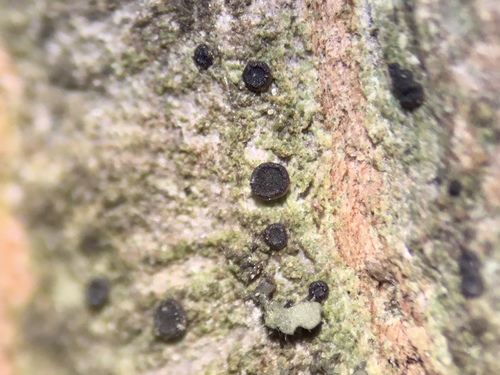
Klippdropplav (Cliostomum tenerum) is a crustose lichen species that forms thin, grayish-white to pale yellow crusts on rock surfaces. This inconspicuous lichen plays a crucial role in primary succession and soil formation processes, slowly breaking down mineral substrates through biochemical weathering while providing microhabitat for invertebrates and other microorganisms.

01Classification

Taxonomy & Classification

Kingdom

Fungi

Phylum

Ascomycota

Class

Lecanoromycetes

Order

Lecanorales

Family

Ramalinaceae

Genus

Cliostomum

klippdropplav belongs to the family Ramalinaceae, order Lecanorales, within the Lecanoromycetes class.

02Description

Species Profile

Klippdropplav (Cliostomum tenerum) is a crustose lichen species that forms thin, grayish-white to pale yellow crusts on rock surfaces. This inconspicuous lichen plays a crucial role in primary succession and soil formation processes, slowly breaking down mineral substrates through biochemical weathering while providing microhabitat for invertebrates and other microorganisms.

Cliostomum tenerum, a crustose lichen species, faces severe population declines primarily due to habitat loss and degradation from human activities. Air pollution, particularly nitrogen deposition and sulfur compounds, significantly impacts this pollution-sensitive species. Climate change is altering the specific microhabitat conditions this lichen requires for survival.

Key Facts

IUCN StatusCritically Endangered (CR)
GroupFungi
03Habitat

Habitat & Distribution

Klippdropplav colonizes exposed siliceous rock faces and boulder surfaces in montane and subalpine environments, particularly favoring north-facing cliff faces and rock outcrops with consistent moisture availability. The species typically occurs on hard, acidic substrates in areas with clean air and minimal direct sunlight exposure.

TERRESTRIALMajor
04Threats

Threats

!

IUCN Red List: Critically Endangered

Cliostomum tenerum, a crustose lichen species, faces severe population declines primarily due to habitat loss and degradation from human activities. Air pollution, particularly nitrogen deposition and sulfur compounds, significantly impacts this pollution-sensitive species. Climate change is altering the specific microhabitat conditions this lichen requires for survival.

Air pollution and atmospheric deposition

HighOngoing

Habitat loss and fragmentation

HighOngoing

Climate change impacts on microhabitat conditions

MediumOngoing

Substrate degradation and disturbance

MediumOngoing
Community

Community Sightings

Report a sighting

No community sightings yet. Be the first to report!

07Sources

Sources & Attribution

How to Cite

IUCN: IUCN (2025). The IUCN Red List of Threatened Species. Version 2025-1. Available at: https://www.iucnredlist.org. doi:10.2305/IUCN.UK.2025-1.RLTS

GBIF: GBIF.org (2025). GBIF Home Page. Available at: https://www.gbif.org

This page: SpeciesRadar (2025). klippdropplav (Cliostomum tenerum). SpeciesRadar: Intelligence for Earth's Biodiversity. Available at: https://speciesradar.org/species/klippdropplav

Full citation guide & data usage terms