Species Explorer
Browse and search species from the IUCN Red List and GBIF.
54,666 species
Fahlbrauner Schirmling
ENLepiota cingulum
Fahlbrauner Schirmling (Lepiota cingulum) is declining primarily due to habitat loss and degradation of its specialized grassland and woodland edge environments. Agricultural intensification, urban development, and changes in land management practices have significantly reduced the availability of suitable habitats for this fungal species.
faksedderkopp
ENLeptothrix hardyi
Primary threats to L. hardyi include habitat fragmentation due to logging and urban development, which disrupts the continuity of old-growth forest patches essential for population connectivity. Climate change poses additional pressure through altered precipitation patterns that affect the moisture-dependent microhabitats where this species establishes its webs.
False Bird of Paradise
VUHeliconia platystachys
False click beetle
CREucnemis capucina
The False click beetle (Eucnemis capucina) is critically endangered primarily due to the loss and degradation of its specialized habitat requirements in old-growth forests. This species depends on ancient woodland with specific deadwood characteristics, particularly old beech and oak trees with fungal decay, which have become increasingly rare due to intensive forest management and habitat fragmentation.

False Grayling
VUArethusana arethusa
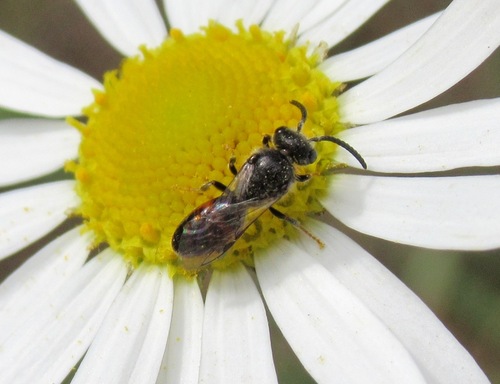
False Margined Blood Bee
CRSphecodes miniatus
The False Margined Blood Bee (Sphecodes miniatus) faces severe population declines primarily due to habitat loss and degradation of its specialized nesting sites and host plant communities. As a cleptoparasitic bee species that depends on specific host bees, it is particularly vulnerable to disruptions in the ecological relationships that support both its hosts and the flowering plants they depend on.

False Ringlet
VUCoenonympha oedippus
False Slender-footed Robberfly
ENLeptarthrus vitripennis
The False Slender-footed Robberfly faces severe population declines primarily due to habitat loss from urban development and agricultural expansion in its limited range. Climate change and pollution further threaten the specialized microhabitats this species requires for hunting and reproduction.
False Tungoiltree
ENGarcia nutans
Garcia nutans faces severe population decline primarily due to extensive deforestation and habitat conversion for agricultural expansion and urban development across its limited range. The species' restricted distribution and small population size make it particularly vulnerable to habitat fragmentation and loss.
falsk allékrimmerlav
VURinodina pityrea
fältmalörtsgallvecklare
CRCochylimorpha hilarana
Cochylimorpha hilarana, the wormwood conch moth, is critically endangered primarily due to habitat loss and degradation of its specialized host plant communities. The species depends on specific Artemisia (wormwood) species in fragmented dry grassland and steppe habitats that have declined dramatically due to agricultural intensification and land use changes.

fältväddsfjädermott
VUAlucita grammodactyla

Fan-bristled Robberfly
VUDysmachus trigonus
fårad bastborre
VUCarphoborus rossicus
färgkullekorgmal
ENMetzneria santolinella
Metzneria santolinella is declining primarily due to habitat loss and degradation of its specialized coastal environments. The species faces particular pressure from coastal development, changes in land management practices, and the loss of its host plants in fragmented Mediterranean habitats.

färödaggkåpa
ENAlchemilla faeroensis
Alchemilla faeroensis faces severe threats from habitat degradation due to overgrazing by sheep and cattle, which damages the fragile grassland communities where it grows. Climate change poses additional risks through altered precipitation patterns and temperature increases that may push this cold-adapted species beyond its tolerance limits.
Faserschuppiger Zärtling
VUEntoloma pseudocoelestinum
Fatfoot Pocket-moss
CRFissidens crassipes
Fatfoot Pocket-moss (Fissidens crassipes) is critically endangered due to its extremely limited distribution and vulnerability to habitat disturbance. The species faces severe threats from human activities that alter its specialized microhabitat requirements, particularly in riparian and wetland environments where it occurs.
fattigkärrlöpare
CRAgonum hypocrita
Agonum hypocrita, the fattigkärrlöpare, is critically endangered primarily due to habitat loss and degradation of its specialized wetland environments. The species depends on specific types of poor fens and marshy areas that have been severely reduced through drainage, agricultural conversion, and changes in water management practices.

Fearful Owl
VUNesasio solomonensis
Feder-Zwergstachelbein
ENMaso gallicus
Primary threats include habitat fragmentation due to agricultural intensification and urban development across its limited range. Climate change is altering moisture regimes in its preferred microhabitats, while invasive plant species are disrupting the delicate soil chemistry conditions this species requires for reproduction.
Fee's Spleenwort
ENAsplenium feei
Fee's Spleenwort faces severe population decline primarily due to habitat destruction from urban development and agricultural expansion in its limited range. The species' restricted distribution to specific rocky habitats makes it particularly vulnerable to localized threats and environmental changes.
Feld-Bovist
CRBovista graveolens
Bovista graveolens faces severe population decline primarily due to habitat loss from agricultural intensification and urban development of its specialized grassland ecosystems. The species requires specific soil conditions and undisturbed grassland habitats that are increasingly rare across its European range. Climate change and altered precipitation patterns further threaten the delicate ecological balance needed for this fungus to complete its reproductive cycle.

Felt Horn Lichen
VUCladonia phyllophora

Felt Saddle Fungus
VUHelvella macropus
Helvella macropus faces significant decline due to habitat loss from deforestation and land conversion, particularly affecting the old-growth and mature forest ecosystems it depends on. Climate change and pollution are additional stressors impacting this fungal species' specialized ecological requirements.
Felwort Rust
VUUromyces gentianae
femsjöfibbla
CRHieracium femsioense
Hieracium femsioense is critically endangered due to its extremely limited distribution in a single location in Sweden, making it highly vulnerable to habitat disturbance and environmental changes. The species faces ongoing threats from human activities and natural processes that could easily lead to its extinction given its tiny population size and restricted range.

Fen Dwarf
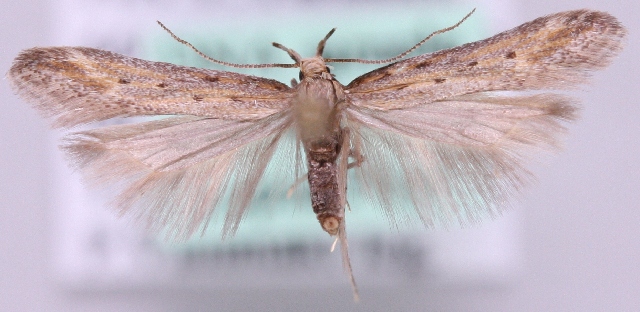
ENElachista pomerana
The Fen Dwarf (Elachista pomerana) is primarily threatened by habitat loss and degradation of its specialized wetland environments. Drainage of fens and marshes for agriculture and development, along with changes in water management and pollution, have significantly reduced suitable habitat for this micro-moth species.

Fence-rail Cladonia
CRCladonia parasitica
Fence-rail Cladonia (Cladonia parasitica) is critically endangered primarily due to habitat loss and degradation of its specialized coastal and inland sandy environments. The species faces severe pressure from urban development, recreational activities, and changes in natural disturbance regimes that maintain the open, nutrient-poor conditions it requires.

fenghuangdan
ENCycas hainanensis
Cycas hainanensis faces severe population decline primarily due to habitat destruction from agricultural expansion and urban development on Hainan Island. The species is further threatened by over-collection for horticultural trade and traditional medicine, combined with its naturally restricted range and slow reproductive rate.

Fenton's Wood White
CRLeptidea morsei
Fenton's Wood White is critically endangered primarily due to habitat loss and fragmentation of its specialized woodland environments. The species requires specific host plants and microhabitat conditions that are increasingly rare due to forest management practices and land use changes.

Fern-grass
ENCatapodium rigidum
Fern-grass (Catapodium rigidum) faces severe decline primarily due to habitat loss from coastal development, agricultural intensification, and urban expansion in its Mediterranean range. The species' specialized requirements for dry, rocky coastal habitats make it particularly vulnerable to human disturbance and climate change impacts.

Few-flowered Fumitory
CRFumaria vaillantii
Few-flowered Fumitory (Fumaria vaillantii) is critically endangered primarily due to habitat loss from agricultural intensification and urban development. The species depends on disturbed soils and traditional farming practices that have largely disappeared, leading to severe population declines across its limited range.

Fewflowered Spikesedge
ENEleocharis quinqueflora
Fewflowered Spikesedge faces severe decline primarily due to habitat loss and degradation of its specialized wetland environments. Agricultural conversion, urban development, and water management practices have significantly reduced and fragmented the calcareous fens, wet meadows, and alkaline marshes this species requires.

Field Brome
ENBromus arvensis
Field Brome is declining primarily due to agricultural intensification and changes in farming practices that have eliminated its traditional arable weed habitat. The species has suffered from improved seed cleaning techniques, herbicide use, and the shift away from traditional crop rotation systems that once provided suitable disturbed ground conditions.

Field Cricket
VUGryllus campestris

Field Dwarf
VUElachista consortella

Field Earthstar
VUGeastrum campestre
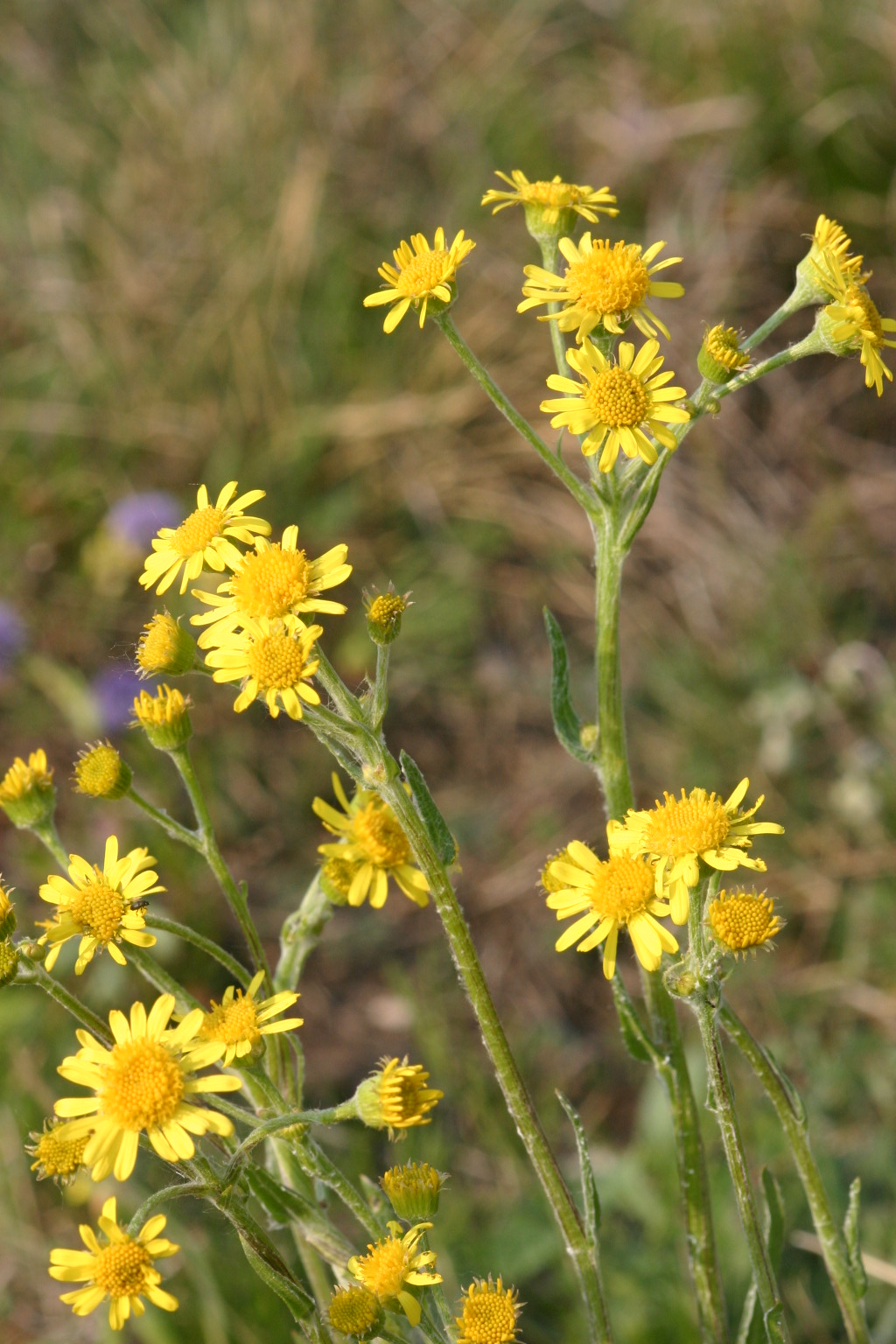
Field Fleawort
ENTephroseris integrifolia
Field Fleawort faces severe population declines primarily due to habitat loss and degradation of its specialized chalk grassland and limestone cliff environments. Agricultural intensification, urban development, and changes in traditional grazing practices have eliminated or altered much of its suitable habitat across its limited European range.

Field Garlic
CRAllium oleraceum
Field Garlic faces severe population declines due to intensive agricultural practices that eliminate wild grassland habitats and widespread use of herbicides that target bulbous plants. Urban development and habitat fragmentation have further reduced suitable growing areas, while climate change threatens the specific temperature and moisture conditions this species requires for successful reproduction.
Field Lotus Pigmy
CRTrifurcula eurema
Trifurcula eurema, a leaf-mining moth species, faces severe population decline primarily due to habitat loss and degradation of its host plant communities. The species' highly specialized feeding requirements and limited geographic range make it particularly vulnerable to environmental changes and human disturbance.
Field Macewort
CRMannia triandra
Field Macewort (Mannia triandra) is critically endangered primarily due to habitat loss and degradation of its specialized wetland environments. The species requires very specific moisture and substrate conditions that are increasingly rare due to agricultural intensification, drainage of wetlands, and climate change impacts on hydrological cycles.

Field Woundwort
VUStachys arvensis
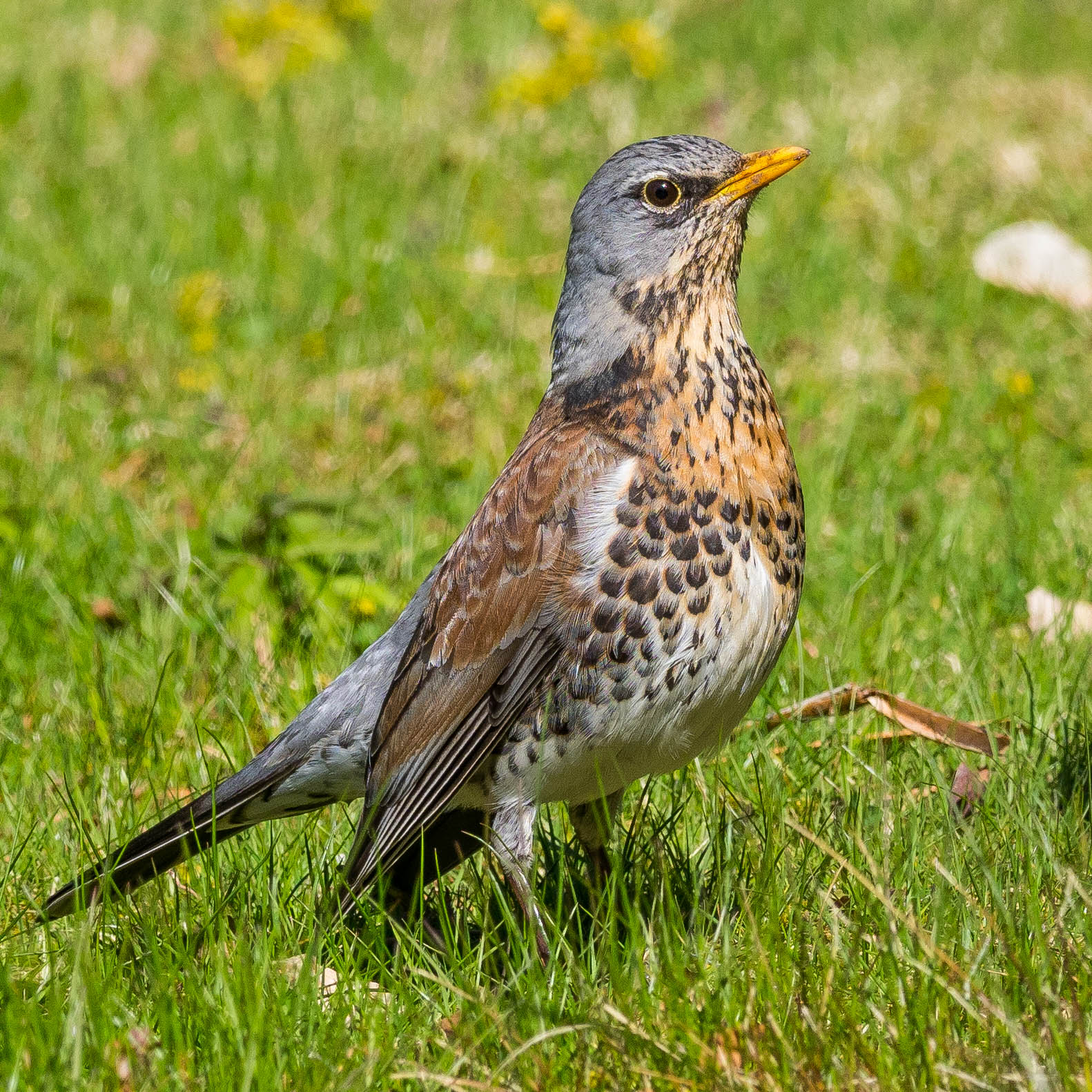
Fieldfare
ENTurdus pilaris
The Fieldfare is experiencing population declines primarily due to agricultural intensification and habitat loss across its breeding and wintering ranges. Climate change is altering the timing of food availability and weather patterns, while urbanization continues to fragment suitable habitat.

Fiery-throated Fruiteater
VUPipreola chlorolepidota
Fil de fer
CRLymexylon navale
Lymexylon navale, the ship-timber beetle, faces severe population decline primarily due to habitat loss from deforestation and changes in forest management practices that have reduced availability of suitable dead and dying hardwood trees. The species' specialized requirements for specific types of decaying wood, particularly oak and beech, make it extremely vulnerable to modern forestry practices that remove dead timber. Climate change may further threaten remaining populations by altering forest composition and the availability of suitable breeding substrates.
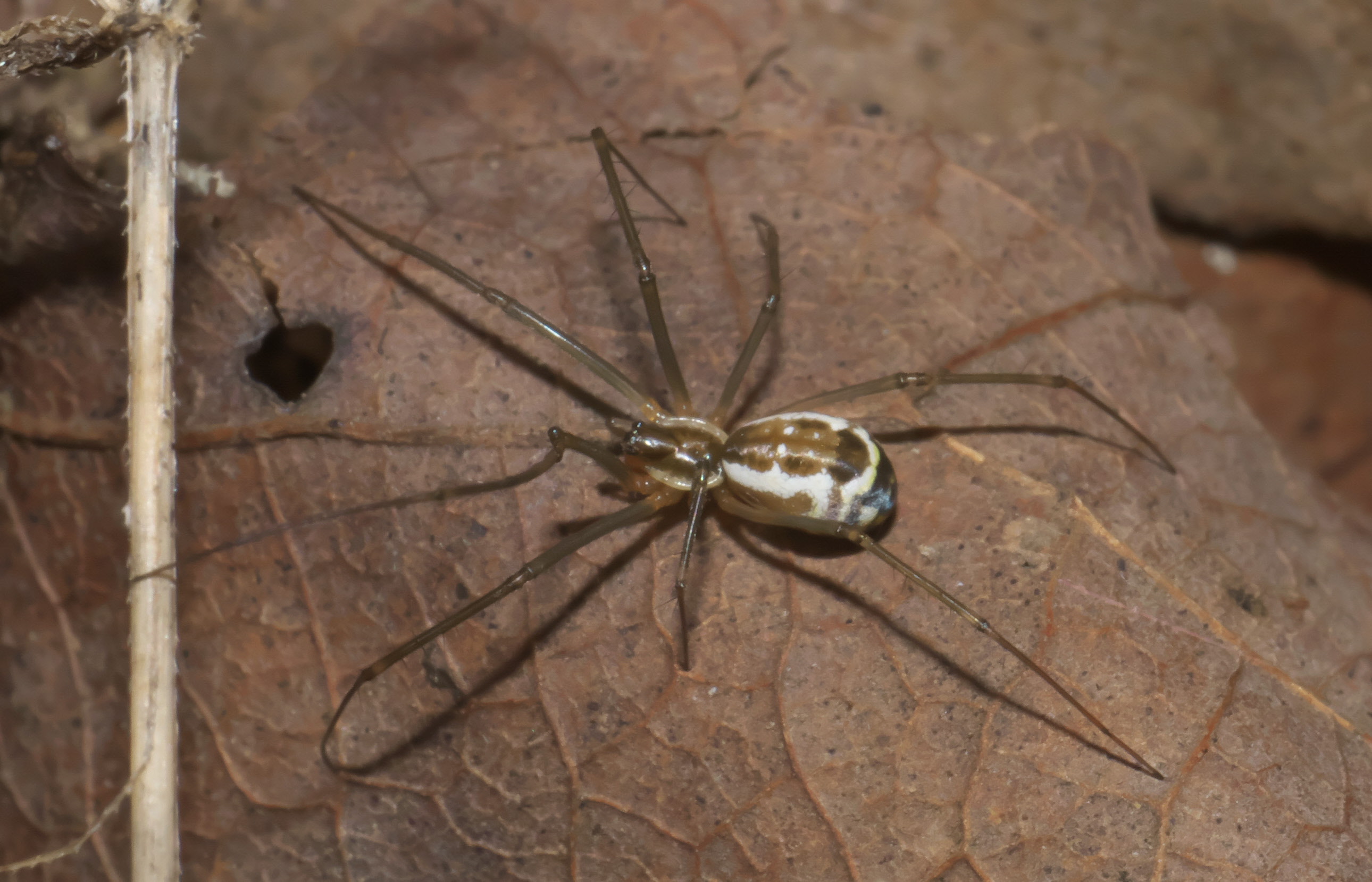
Filmy Dome Spider
CRNeriene radiata
The Filmy Dome Spider (Neriene radiata) faces severe threats primarily from habitat destruction and fragmentation of its specialized wetland and forest edge environments. Climate change and human development pressures continue to reduce the availability of suitable microhabitats required for this species' survival. The spider's extremely limited range and specific ecological requirements make it particularly vulnerable to environmental changes.
filtgelémusling
VUHohenbuehelia valesiaca
filtmaskros
CRTaraxacum subintegrum
Taraxacum subintegrum (filtmaskros) is critically endangered due to its extremely limited distribution in Scandinavia, where it faces habitat loss from agricultural intensification and urban development. The species is restricted to specific calcareous grassland habitats that are increasingly fragmented and degraded by human activities.
Filziges Graublatt
ENLyophyllum tomentellum
Lyophyllum tomentellum faces severe population declines primarily due to habitat loss from agricultural expansion and urban development in its limited European range. The species' specialized ecological requirements and small, fragmented populations make it particularly vulnerable to environmental changes and human disturbance.