
False Grayling
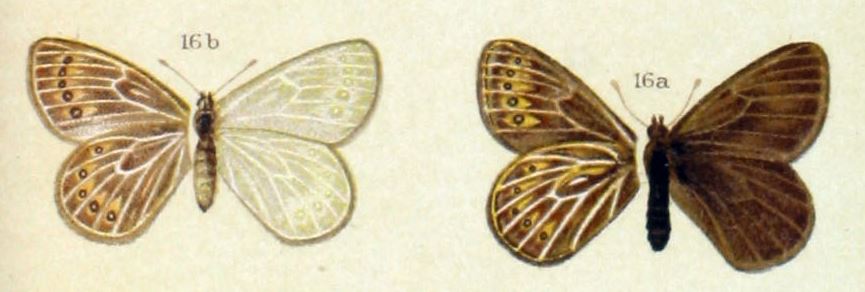
Arethusana arethusa
Photo: Wikimedia Commons (CC) via https://en.wikipedia.org/wiki/Arethusana
Overview
A detailed profile for this species is sourced from the IUCN Red List of Threatened Species as assessments become available.
The False Grayling faces severe population declines across its European range due to habitat degradation and fragmentation of its specialized grassland environments. Agricultural intensification has eliminated many traditional grazing systems that maintained the short, sparse vegetation this butterfly requires for breeding. Climate change poses an additional threat, as warming temperatures push suitable habitat to higher elevations where fragmented populations become increasingly isolated and vulnerable to local extinctions.
Habitat
The False Grayling inhabits dry, calcareous grasslands and rocky slopes with sparse vegetation, typically found in mountainous regions of southern and central Europe. It requires areas with short grass interspersed with bare ground patches, often maintained by traditional extensive grazing systems.
Other threatened species in Nymphalidae


Threatened in Albania

Frequently asked questions
Why is False Grayling classified as Vulnerable?
Where does False Grayling live?
What are the main threats to False Grayling?
Get weekly conservation intelligence
One short digest a week of the most striking species and country data we ship, plus breaking conservation news paired with our database where it matters.
Free, no spam. One-click unsubscribe in every email.