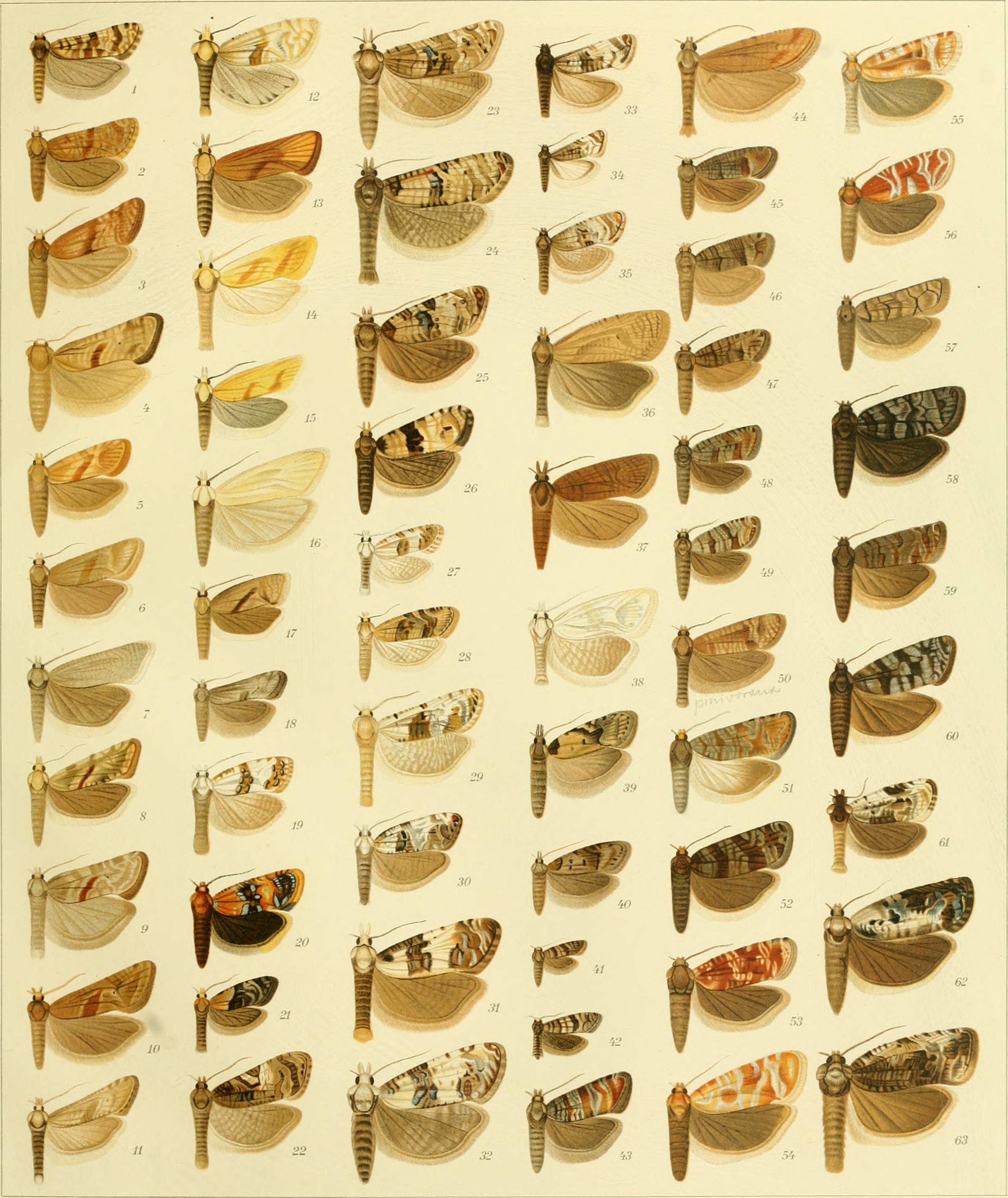
Cochylimorpha hilarana
Photo: Wikimedia Commons (CC) via https://en.wikipedia.org/wiki/Cochylimorpha_hilarana
Overview
Cochylimorpha hilarana is a species of moth of the family Tortricidae. It is found in most of Europe and Asia Minor. The wingspan is 17–23 mm. Adults have been recorded from wing from July to August.
Cochylimorpha hilarana, the wormwood conch moth, is critically endangered primarily due to habitat loss and degradation of its specialized host plant communities. The species depends on specific Artemisia (wormwood) species in fragmented dry grassland and steppe habitats that have declined dramatically due to agricultural intensification and land use changes.
Habitat
Cochylimorpha hilarana occupies a narrow, localized range where it relies on specific herbaceous host plants within patches of native vegetation for larval development.
Other threatened species in Tortricidae


Threatened in Austria
Frequently asked questions
Why is Cochylimorpha hilarana classified as Critically Endangered?
Where does Cochylimorpha hilarana live?
What are the main threats to Cochylimorpha hilarana?
Get weekly conservation intelligence
One short digest a week of the most striking species and country data we ship, plus breaking conservation news paired with our database where it matters.
Free, no spam. One-click unsubscribe in every email.