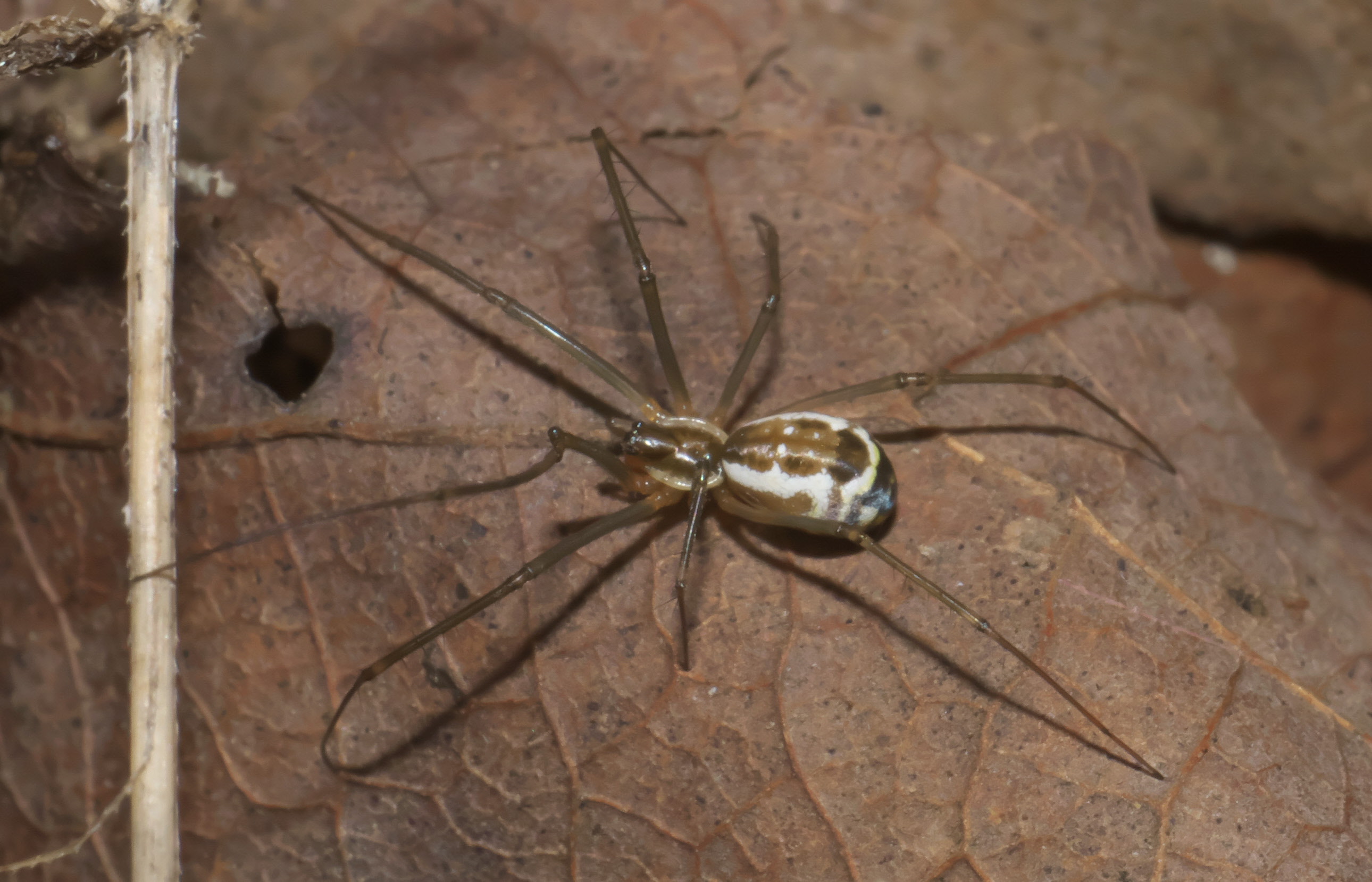
Filmy Dome Spider
Neriene radiata
Photo: Wikimedia Commons (CC) via https://en.wikipedia.org/wiki/Filmy_dome_spider
Overview
The filmy dome spider is a sheet weaver: a spider in the family Linyphiidae with a holarctic distribution. These spiders construct a dome of fine spider silk and hang upside-down under it, waiting for their prey. It is a preferential host for the kleptoparasitic Argyrodes trigonum.
The Filmy Dome Spider (Neriene radiata) faces severe threats primarily from habitat destruction and fragmentation of its specialized wetland and forest edge environments. Climate change and human development pressures continue to reduce the availability of suitable microhabitats required for this species' survival. The spider's extremely limited range and specific ecological requirements make it particularly vulnerable to environmental changes.
Other threatened species in Linyphiidae
Threatened in Afghanistan

Frequently asked questions
Why is Filmy Dome Spider classified as Critically Endangered?
Where does Filmy Dome Spider live?
What are the main threats to Filmy Dome Spider?
Get weekly conservation intelligence
One short digest a week of the most striking species and country data we ship, plus breaking conservation news paired with our database where it matters.
Free, no spam. One-click unsubscribe in every email.