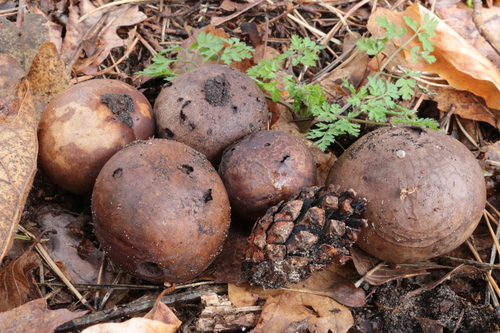
Bovista graveolens
Photo: Photo: (c) peterfiny, niektoré práva vyhradené (CC BY-NC)
Overview
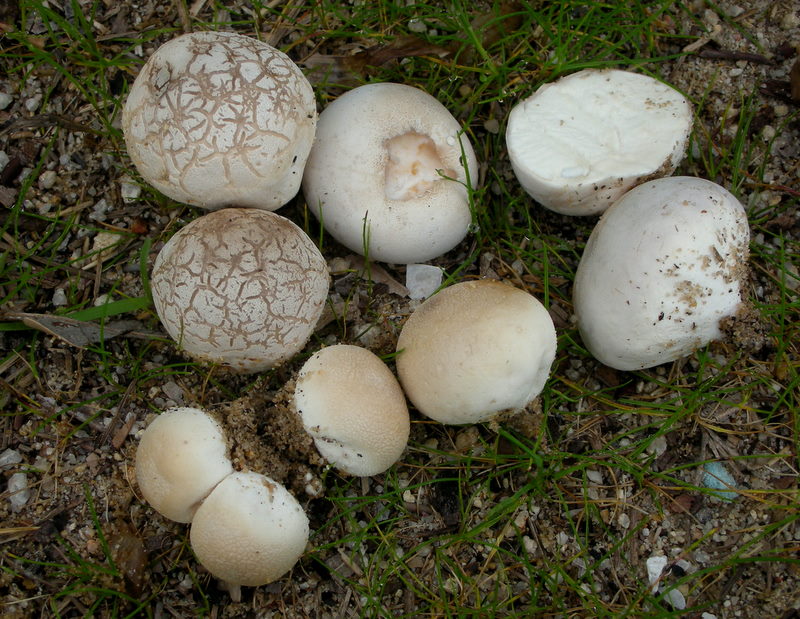
Feld-Bovist (Bovista graveolens) is a small, spherical puffball fungus that typically measures 2-4 cm in diameter with a white to cream-colored exterior that darkens with age. When mature, it releases dark brown spores through a small opening at the top, and emits a distinctive strong odor that gives it its species name. This saprophytic fungus plays a crucial ecological role in nutrient cycling by decomposing organic matter in grassland ecosystems.
Bovista graveolens faces severe population decline primarily due to habitat loss from agricultural intensification and urban development of its specialized grassland ecosystems. The species requires specific soil conditions and undisturbed grassland habitats that are increasingly rare across its European range. Climate change and altered precipitation patterns further threaten the delicate ecological balance needed for this fungus to complete its reproductive cycle.
Habitat
Bovista graveolens inhabits nutrient-poor, calcareous grasslands and chalk downs, particularly favoring short-grass prairies with well-drained, alkaline soils. The species is typically found in areas with sparse vegetation where livestock grazing maintains the open grassland structure essential for its reproductive cycle.
Other threatened species in Lycoperdaceae
Frequently asked questions
Why is Bovista graveolens classified as Critically Endangered?
Where does Bovista graveolens live?
What are the main threats to Bovista graveolens?
Get weekly conservation intelligence
One short digest a week of the most striking species and country data we ship, plus breaking conservation news paired with our database where it matters.
Free, no spam. One-click unsubscribe in every email.