
Few-flowered Spike-rush
Eleocharis quinqueflora
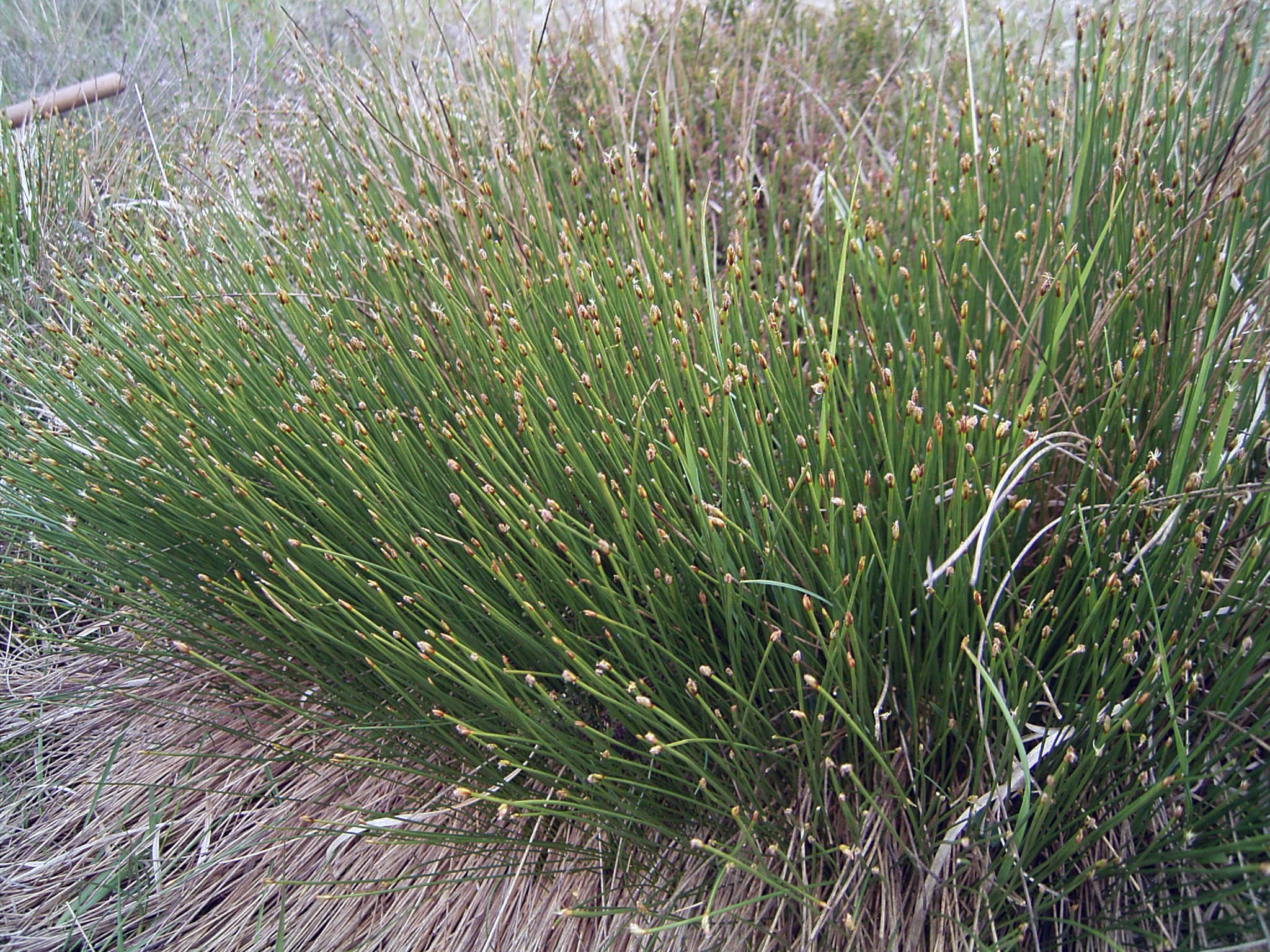
Photo: Wikimedia Commons (CC) via https://en.wikipedia.org/wiki/Eleocharis_quinqueflora
Overview
Fewflowered Spikesedge (Eleocharis quinqueflora)
Fewflowered spikesedge is a small perennial sedge characterized by its distinctive clustered stems that grow 5-30 cm tall from creeping rhizomes. The species produces characteristic brown, egg-shaped flower spikes containing typically 3-8 flowers, giving rise to its common name. As a wetland plant, it plays an important ecological role in stabilizing soil and providing habitat structure in specialized marsh ecosystems.
This circumboreal species demonstrates one of the widest global distributions among sedges, occurring across northern temperate and boreal regions of North America, Europe, and Asia, with isolated populations extending into mountainous areas of South America, Africa, and tropical regions. It inhabits calcareous fens, wet meadows, lake shores, and other alkaline wetland environments, typically in areas with consistent moisture and mineral-rich soils.
Despite its extensive range, fewflowered spikesedge faces significant pressure from wetland drainage and conversion for agriculture and development. The species is particularly vulnerable because it requires specific hydrological conditions and water chemistry. Climate change poses additional threats through altered precipitation patterns and temperature regimes that affect its specialized wetland habitats.
Conservation efforts focus primarily on wetland protection and restoration programs across its range. Several countries have included the species in national biodiversity action plans, and it receives protection within various nature reserves and protected wetland sites.
The species' current outlook remains uncertain due to insufficient population monitoring data. While its wide distribution provides some resilience, continued habitat loss and fragmentation, combined with climate pressures, suggest ongoing population declines in many regions.
Fewflowered Spikesedge faces severe decline primarily due to habitat loss and degradation of its specialized wetland environments. Agricultural conversion, urban development, and water management practices have significantly reduced and fragmented the calcareous fens, wet meadows, and alkaline marshes this species requires.
Habitat
Other threatened species in Cyperaceae


Threatened in Afghanistan

Frequently asked questions
Why is Few-flowered Spike-rush classified as Endangered?
Where does Few-flowered Spike-rush live?
What are the main threats to Few-flowered Spike-rush?
Get weekly conservation intelligence
One short digest a week of the most striking species and country data we ship, plus breaking conservation news paired with our database where it matters.
Free, no spam. One-click unsubscribe in every email.