Species Explorer
Browse and search species from the IUCN Red List and GBIF.
54,666 species
Filzigfaseriger Rötling
ENEntoloma plebejum
Entoloma plebejum faces severe decline due to habitat loss from agricultural intensification and urban development, which destroys the nutrient-poor grasslands it requires. Climate change and nitrogen deposition further threaten remaining populations by altering soil chemistry and grassland composition.
Fin-joined Goby
CRGobulus birdsongi
The Fin-joined Goby faces severe threats primarily from habitat degradation and loss of its specialized coral reef environment in the Caribbean. Climate change-induced coral bleaching, coastal development, and water pollution are rapidly destroying the limited reef habitats this endemic species depends on for survival.
Finca Chibigui Salamander
ENBolitoglossa medemi
The Finca Chibigui Salamander faces severe threats from habitat destruction due to agricultural expansion and deforestation in its extremely limited range in Colombia. The species is particularly vulnerable due to its small population size and restricted distribution, making it highly susceptible to local extinctions from human activities and environmental changes.

Fine-leaf Wadara
VUCouratari guianensis
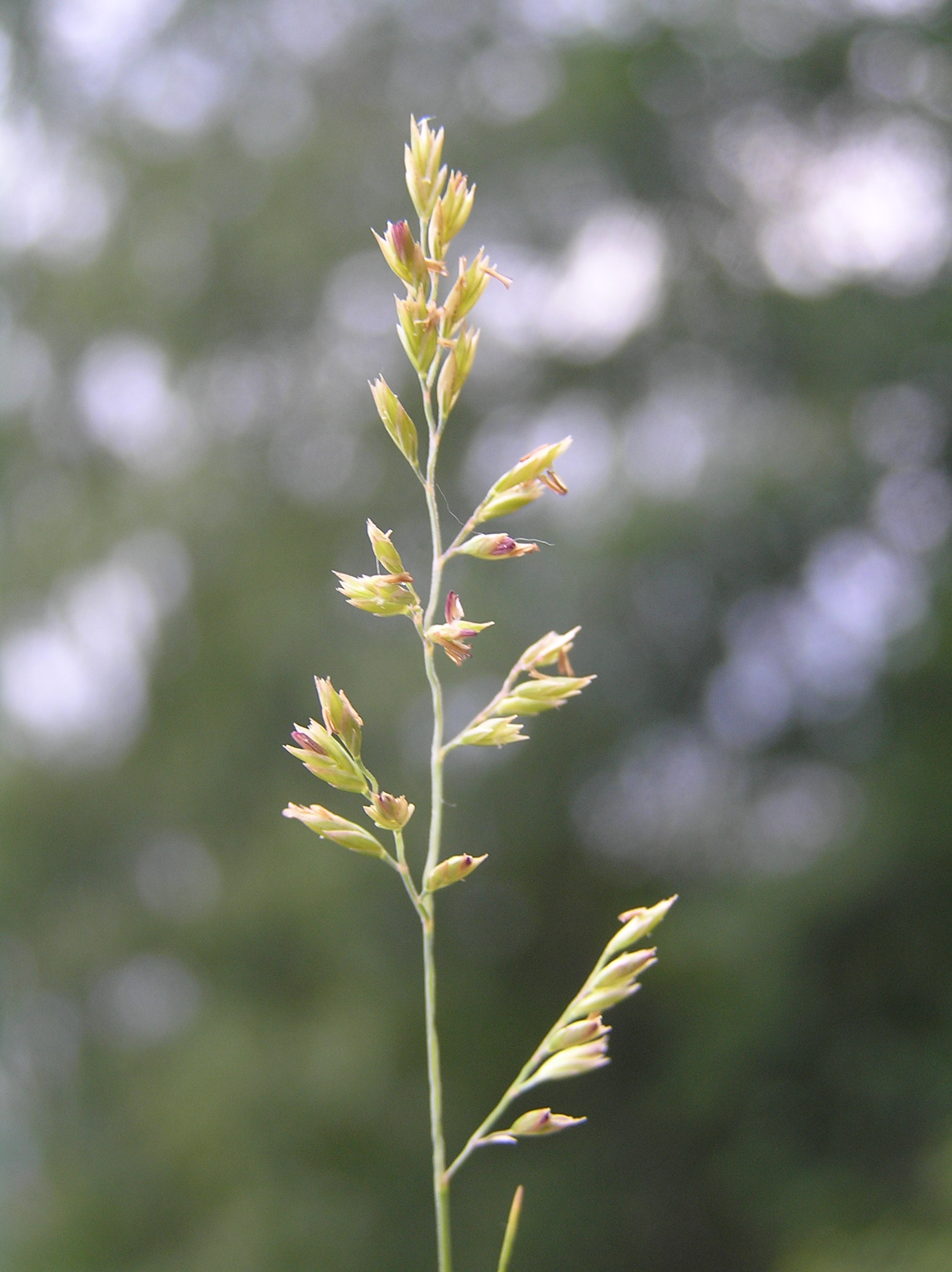
Fine-leaved Sheep's-fescue
VUFestuca filiformis

Fine-leaved Water-dropwort
CROenanthe aquatica
Fine-leaved Water-dropwort faces severe decline primarily due to habitat loss and degradation of wetland ecosystems. The species is particularly vulnerable to drainage of marshes, water pollution, and changes in water levels that affect its specialized aquatic habitat requirements.
finfjällig korallormstjärna
VUOphiactis balli

Finger Ring Lichen
CRArctoparmelia incurva
Finger Ring Lichen (Arctoparmelia incurva) is critically endangered primarily due to its extremely limited distribution and vulnerability to habitat degradation. The species faces severe threats from air pollution, climate change, and human disturbance to its specialized rocky substrate habitats. Its slow growth rate and specific ecological requirements make recovery particularly challenging.

Fingered Sedge
CRCarex digitata
Fingered Sedge faces severe threats from habitat destruction and fragmentation of its specialized woodland environments, particularly due to intensive forestry practices and agricultural conversion. Climate change is altering the delicate moisture and temperature conditions required by this species, while invasive plant species compete for resources in its native habitats.
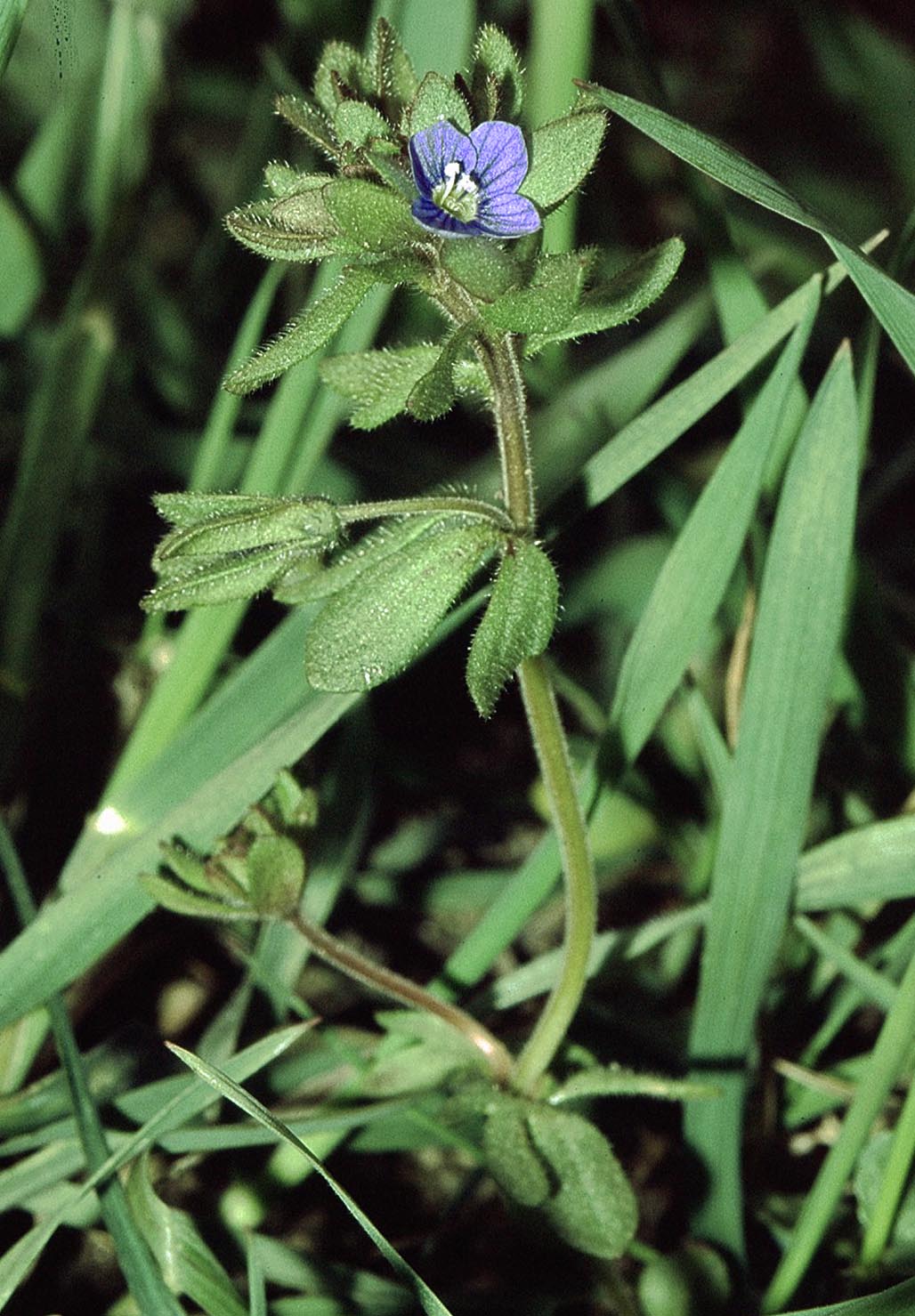
Fingered Speedwell
CRVeronica triphyllos
Fingered Speedwell (Veronica triphyllos) is critically endangered primarily due to habitat loss from agricultural intensification and urban development, which has eliminated much of its preferred sandy, disturbed ground habitat. The species is also threatened by changes in land management practices that reduce the availability of suitable early successional habitats and increased competition from invasive plant species.
finnmarksnøkleblomrust
VUPuccinia arctica
Finnstjerneblom
CRStellaria fennica
Stellaria fennica faces severe threats primarily from habitat loss due to agricultural intensification and urban development in its limited range. The species' extremely restricted distribution makes it highly vulnerable to local environmental changes and human activities. Climate change may further exacerbate these pressures by altering suitable habitat conditions.
finsk vägfibbla
VUHieracium caespiticola
fintandat björnbär
VURubus decurrentispinus

Firesite Funnel
ENFaerberia carbonaria
Unable to verify species existence
firplettgrønnvever
VUAraniella alpica

Firpunktet slankløber
ENSericoda quadripunctata
Sericoda quadripunctata faces severe population declines primarily due to habitat loss from agricultural intensification and urban development in its specialized wetland environments. Climate change is altering the hydrology of its preferred habitats, while pollution from agricultural runoff degrades water quality in remaining suitable areas.

Five-colored Barbet
VUCapito quinticolor

Five-spot Burnet
CRZygaena trifolii
The Five-spot Burnet (Zygaena trifolii) faces severe population declines primarily due to habitat loss and fragmentation of its specialized coastal grassland and dune ecosystems. Agricultural intensification, coastal development, and changes in traditional grazing management have eliminated or degraded much of its remaining habitat, while climate change poses additional pressures on this already restricted species.
fjäderklubba
VUTilopteris mertensii

fjädersjöborre
ENEchinocardium pennatifidum
Echinocardium pennatifidum faces severe population declines primarily due to habitat degradation from coastal development, pollution, and climate change impacts on marine ecosystems. Bottom trawling and other destructive fishing practices have significantly damaged the sandy and muddy seafloor habitats where this species burrows.

fjällängssyredystermal
VUMonochroa saltenella
fjällnäbbmal
VUSophronia gelidella

fjällskäreplattmal
VUAgonopterix broennoeensis
fjällsmalbi
VULasioglossum boreale
fjällsnabblöpare
VUBembidion dauricum
fjälltranmossa
VUTrematodon brevicollis

Fjeld-blegskivelav
ENOchrolechia frigida
Ochrolechia frigida is declining primarily due to climate change impacts on its specialized Arctic and alpine habitats. Rising temperatures and changing precipitation patterns are altering the delicate environmental conditions this cold-adapted lichen requires for survival and reproduction.
Flaches Zierköpfchen
ENWalckenaeria stylifrons
Walckenaeria stylifrons faces severe population declines primarily due to habitat destruction and fragmentation of its specialized wetland environments. Agricultural intensification, urban development, and changes in water management practices have significantly reduced the availability of suitable microhabitats this small spider requires for survival.

fläckig ärtvivel
VUSitona macularius

fläckig myrlejonslända
VUEuroleon nostras
fläckmarkspindel
ENPhaeocedus braccatus
Phaeocedus braccatus faces severe population decline primarily due to habitat destruction from agricultural expansion and urban development in its limited range. The species' highly specialized habitat requirements and small population size make it particularly vulnerable to environmental changes and human disturbance.
fläckplugg
VUCnemidocarpa devia
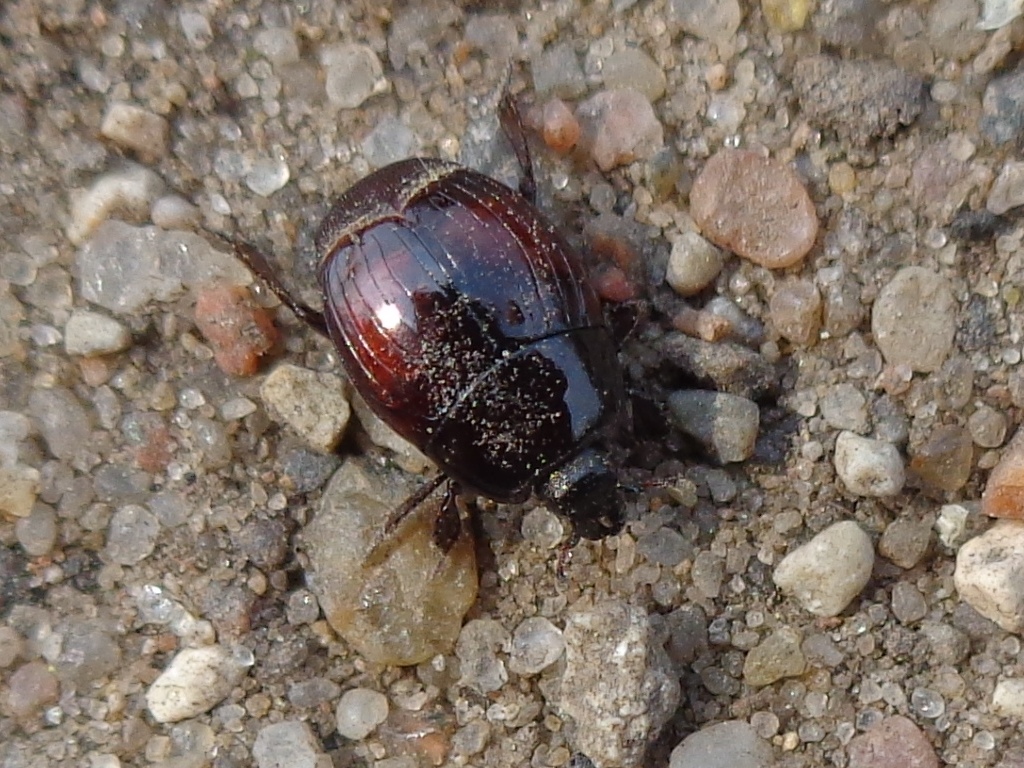
fläckstumpbagge
VUMargarinotus purpurascens
fläderlundlav
VUBacidia friesiana

Flag-moss
VUDiscelium nudum

Flaking Tarpaper Lichen
CRCollema flaccidum
Flaking Tarpaper Lichen (Collema flaccidum) is critically endangered primarily due to habitat loss and degradation from urban development, agricultural expansion, and infrastructure projects that destroy the specific rock substrates it requires. Air pollution, particularly nitrogen deposition and acid rain, severely impacts this sensitive lichen species by altering its chemical environment and disrupting symbiotic relationships.
Flameberry
VUUrera caracasana
Flat Pebblesnail
VULepyrium showalterii
Flat-leaved Bog-moss
VUSphagnum platyphyllum
Flat-ridged Nomad Bee
VUNomada obtusifrons

Flat-sedge
VUBlysmus compressus

Flatfork Fern
CRPsilotum complanatum
The Flatfork Fern faces severe population decline primarily due to habitat destruction from urban development and agricultural expansion in its limited range. The species' extremely restricted distribution makes it particularly vulnerable to localized threats, while its specialized habitat requirements limit opportunities for natural recolonization.
flattened sea fan coral
ENParamuricea placomus
The flattened sea fan coral faces severe population declines primarily due to climate change impacts including ocean warming and acidification, which cause coral bleaching and reduced calcification rates. Additional pressures from fishing activities, coastal development, and pollution further compromise the survival of remaining populations in the Mediterranean Sea.
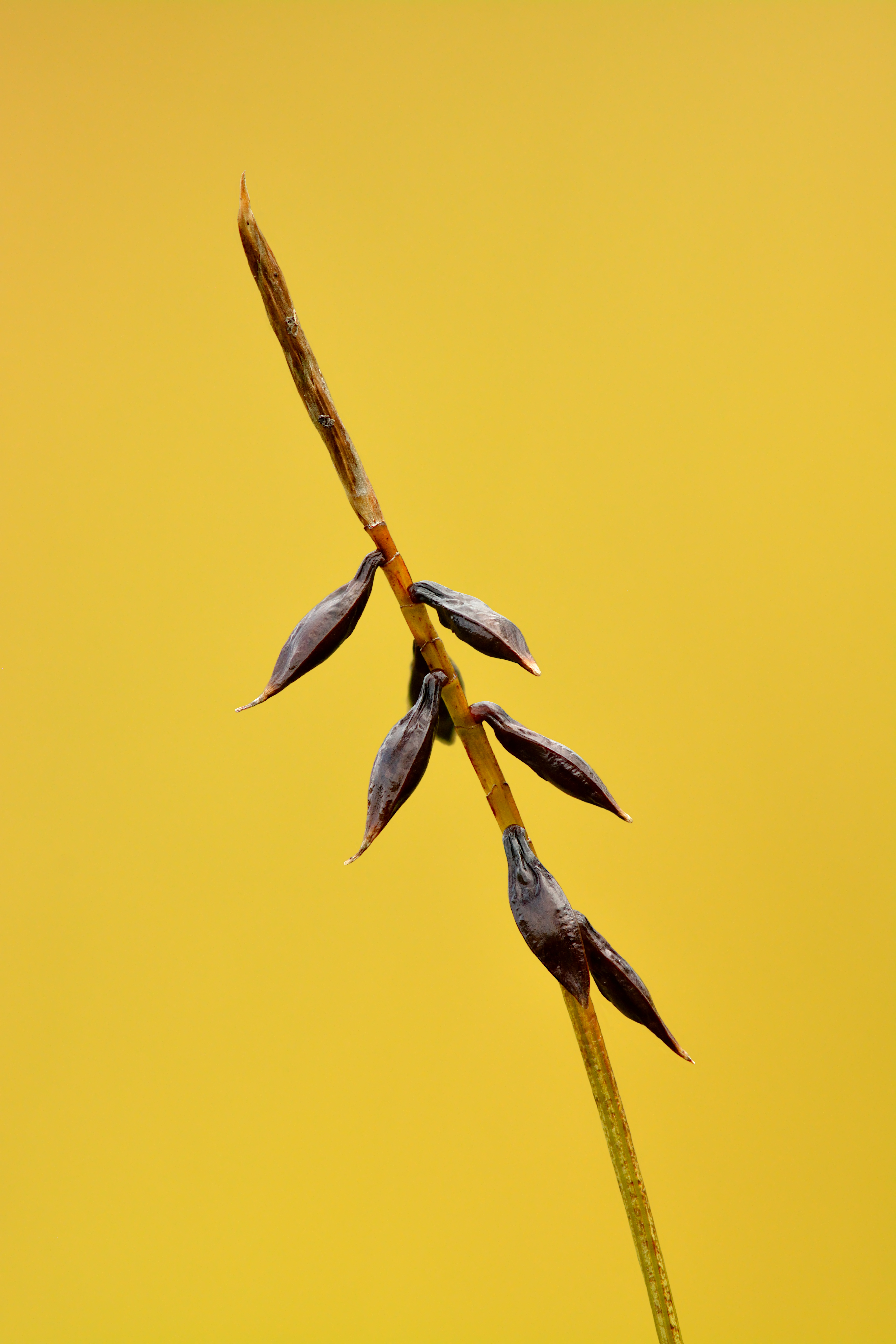
Flea Sedge
CRCarex pulicaris
Flea Sedge (Carex pulicaris) is critically endangered primarily due to habitat loss and degradation of its specialized wetland environments. The species requires specific hydrological conditions in calcareous fens and wet meadows, which have been severely reduced through drainage, agricultural intensification, and changes in land management practices.
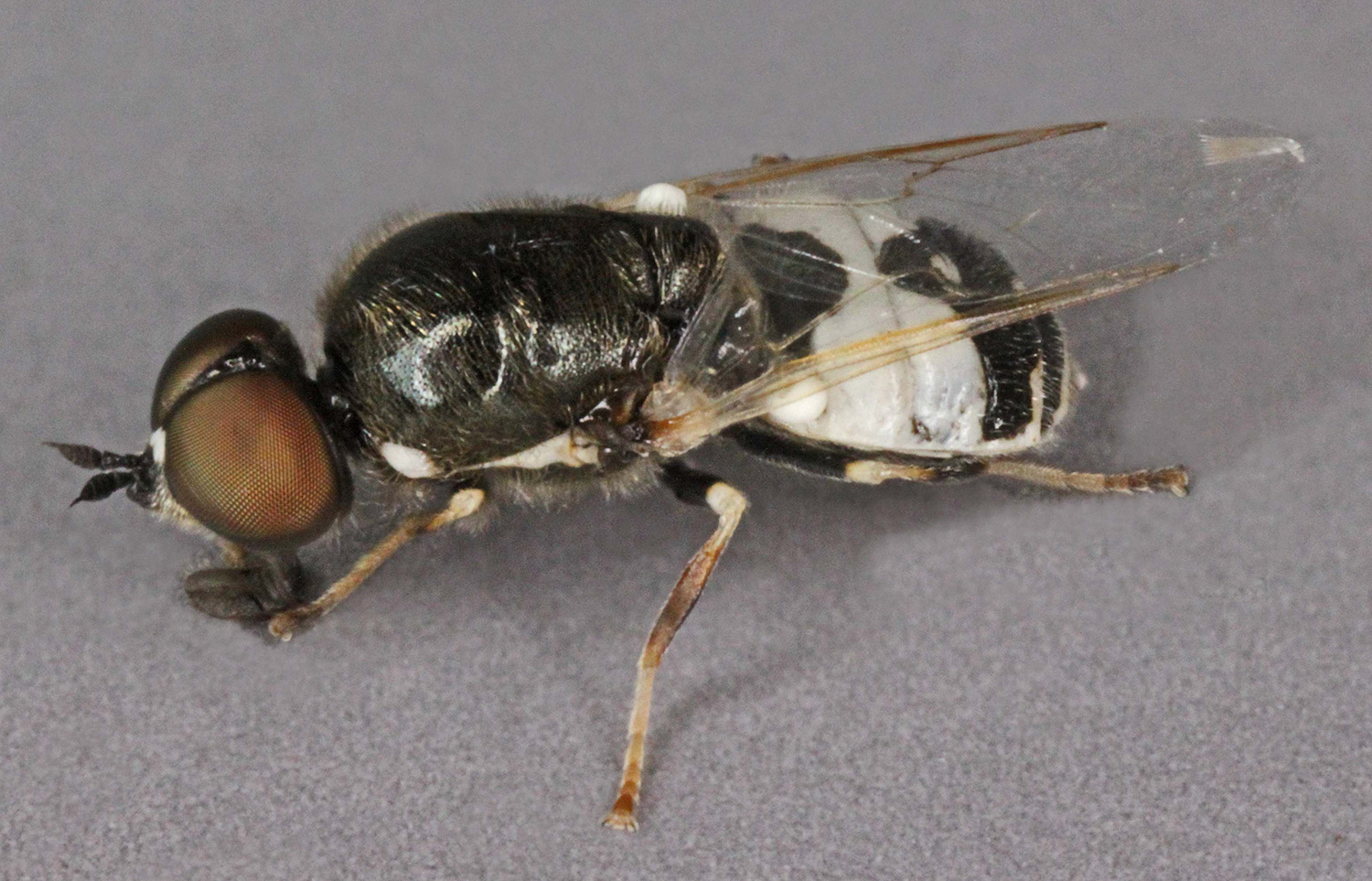
Flecked Snout
ENNemotelus notatus
The Flecked Snout (Nemotelus notatus) is declining primarily due to habitat loss and degradation of wetland environments where its larvae develop. Agricultural intensification, drainage of wetlands, and water pollution from agricultural runoff have significantly reduced suitable breeding sites for this specialized soldier fly species.
Fleckensandzirpe
VUPsammotettix sabulicola
flekkengmott
ENOstrinia quadripunctalis
Ostrinia quadripunctalis faces severe population declines primarily due to habitat loss from agricultural intensification and urbanization across its European range. The species is particularly vulnerable to changes in traditional farming practices and the loss of semi-natural grasslands where its host plants occur.

Flightless Cormorant
VUPhalacrocorax harrisi
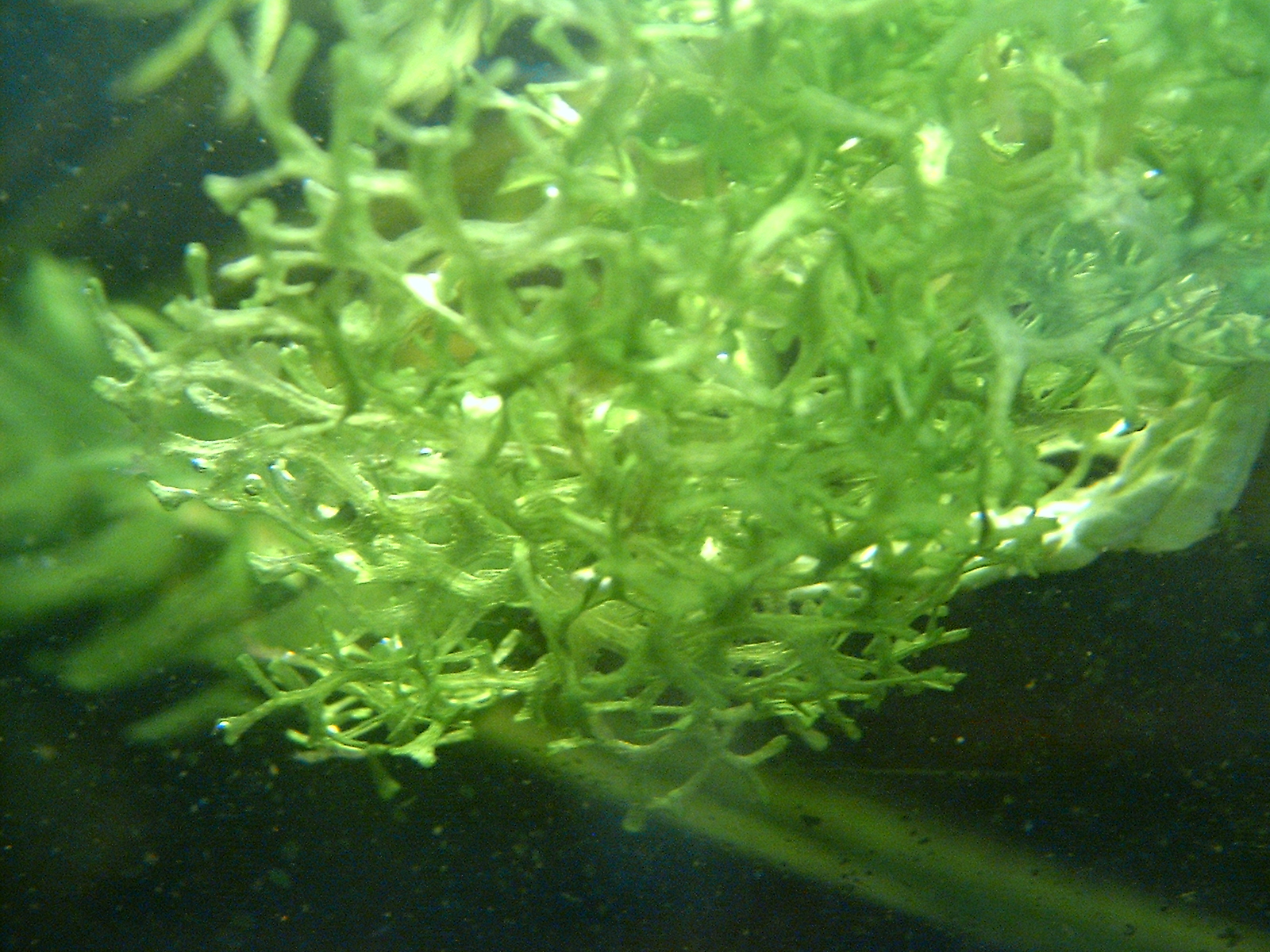
Floating Crystalwort
CRRiccia fluitans
Floating Crystalwort (Riccia fluitans) faces severe decline due to widespread habitat destruction and degradation of freshwater ecosystems. Water pollution, eutrophication, and drainage of wetlands have eliminated many suitable aquatic habitats where this bryophyte species once thrived.