
Fen Dwarf
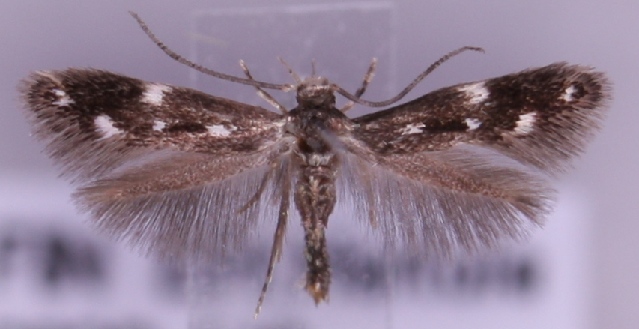
Elachista pomerana
Photo: Wikimedia Commons (CC) via https://en.wikipedia.org/wiki/Elachista_pomerana
Overview
The Fen Dwarf (Elachista pomerana) is a small microlepidopteran moth with a wingspan of approximately 8-10mm, characterized by its distinctive pale golden forewings marked with subtle darker streaks. As a leaf-mining species, the larvae create characteristic serpentine mines in sedge leaves, playing a specialized role in fen ecosystem nutrient cycling and serving as prey for various insectivorous birds and spiders.
The Fen Dwarf (Elachista pomerana) is primarily threatened by habitat loss and degradation of its specialized wetland environments. Drainage of fens and marshes for agriculture and development, along with changes in water management and pollution, have significantly reduced suitable habitat for this micro-moth species.
Habitat
Elachista pomerana inhabits calcareous fens and wet meadows where specific sedge species grow in waterlogged, nutrient-poor soils with high mineral content. These specialized wetland environments require consistent groundwater seepage and are typically found in valley bottoms or areas with natural springs.
Other threatened species in Elachistidae


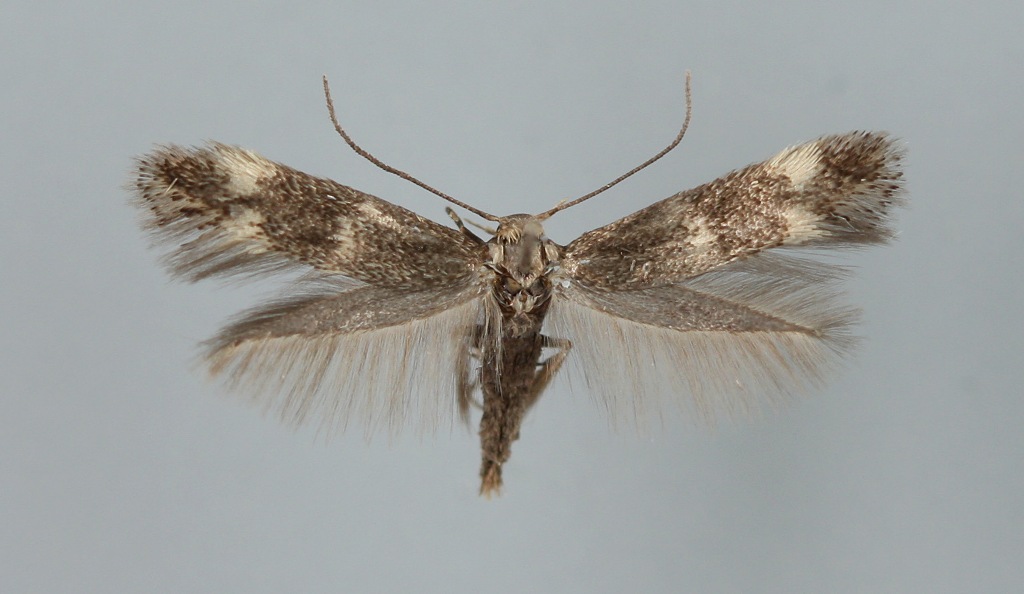
Threatened in Åland Islands


Frequently asked questions
Why is Fen Dwarf classified as Endangered?
Where does Fen Dwarf live?
What are the main threats to Fen Dwarf?
Get weekly conservation intelligence
One short digest a week of the most striking species and country data we ship, plus breaking conservation news paired with our database where it matters.
Free, no spam. One-click unsubscribe in every email.