
Fence-rail Cladonia
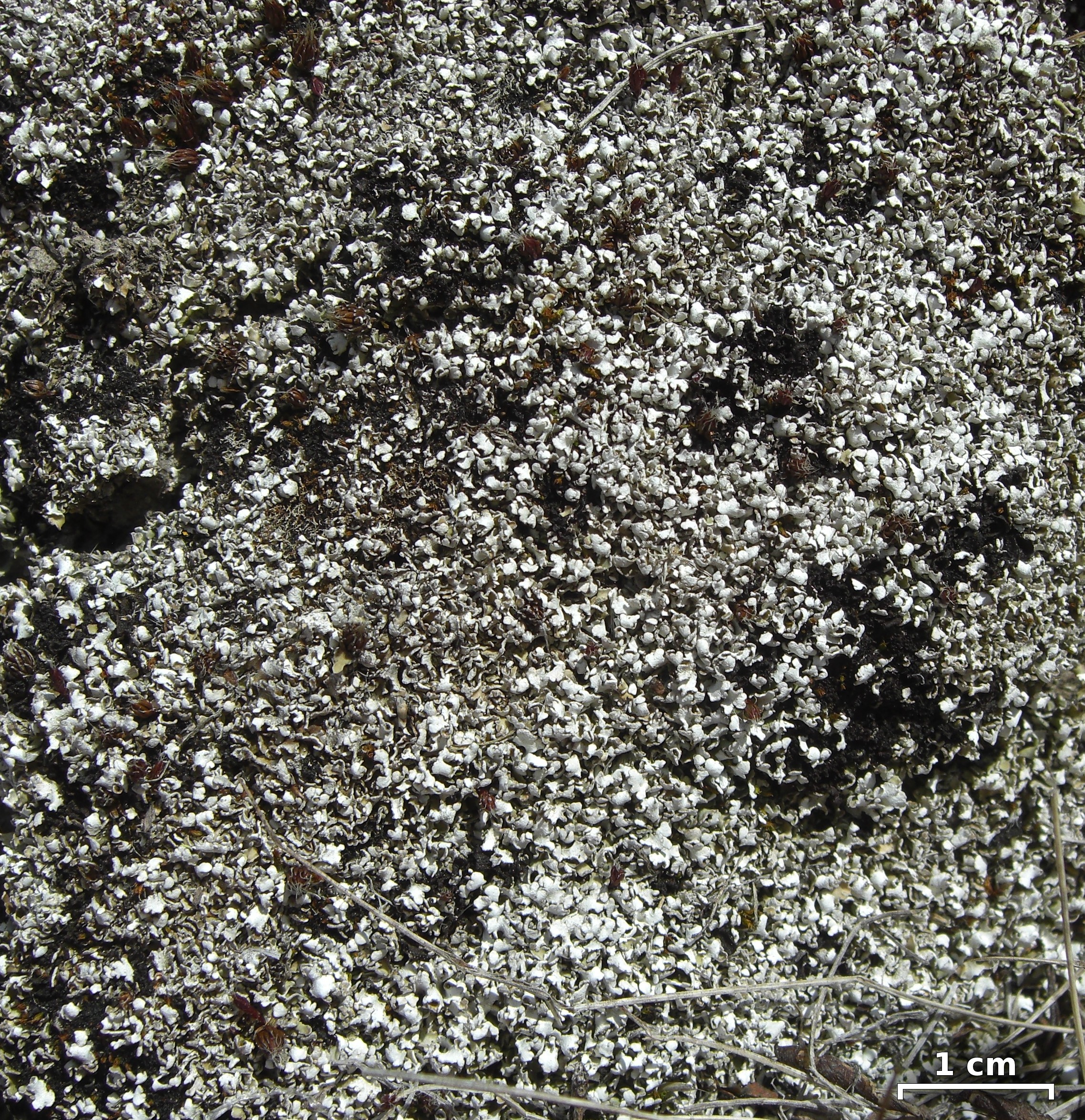
Cladonia parasitica
Photo: Wikimedia Commons (CC) via https://en.wikipedia.org/wiki/Cladonia_parasitica
Overview
Cladonia parasitica, commonly known as the fence-rail cladonia, fence-rail cup lichen or parasite club lichen, is a species of fruticose, cup lichen in the family Cladoniaceae. It was first described by Hoffmann in 1784 under the name Lichen parasiticus, until he reclassified it under the genus Cladonia in 1795.
Fence-rail Cladonia (Cladonia parasitica) is critically endangered primarily due to habitat loss and degradation of its specialized coastal and inland sandy environments. The species faces severe pressure from urban development, recreational activities, and changes in natural disturbance regimes that maintain the open, nutrient-poor conditions it requires.
Habitat
Other threatened species in Cladoniaceae


Frequently asked questions
Why is Fence-rail Cladonia classified as Critically Endangered?
Where does Fence-rail Cladonia live?
What are the main threats to Fence-rail Cladonia?
Get weekly conservation intelligence
One short digest a week of the most striking species and country data we ship, plus breaking conservation news paired with our database where it matters.
Free, no spam. One-click unsubscribe in every email.