Maso gallicus
Overview
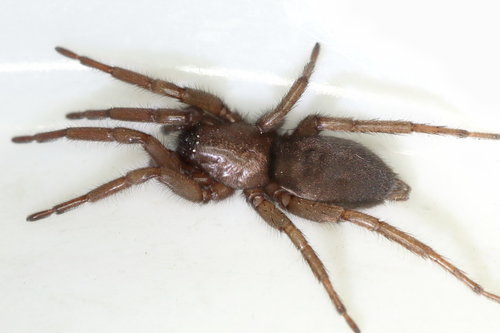
The Feder-Zwergstachelbein (Maso gallicus) is a small, distinctive arthropod characterized by its feathered leg spines and compact body structure. This diminutive species displays intricate bristle patterns along its appendages that aid in both locomotion and sensory detection. It serves as both a decomposer of organic matter and prey species for various invertebrate predators in its ecosystem.
Primary threats include habitat fragmentation due to agricultural intensification and urban development across its limited range. Climate change is altering moisture regimes in its preferred microhabitats, while invasive plant species are disrupting the delicate soil chemistry conditions this species requires for reproduction.
Habitat
This species inhabits the leaf litter and upper soil layers of deciduous woodlands, particularly favoring areas with high organic content and consistent moisture levels. It shows strong preference for sites beneath fallen logs and among decomposing vegetation where humidity remains stable year-round.
Other threatened species in Linyphiidae
Threatened in Belarus


Frequently asked questions
Why is Maso gallicus classified as Endangered?
Where does Maso gallicus live?
What are the main threats to Maso gallicus?
Get weekly conservation intelligence
One short digest a week of the most striking species and country data we ship, plus breaking conservation news paired with our database where it matters.
Free, no spam. One-click unsubscribe in every email.