Species Explorer
Browse and search species from the IUCN Red List and GBIF.
54,666 species
leppäkaarnuri
VUTrypophloeus alni
Lepture à étuis étranglés
CRStrangalia attenuata
Strangalia attenuata faces severe population decline primarily due to habitat loss from deforestation and forest fragmentation, which destroys the old-growth deciduous forests this longhorn beetle species requires for breeding and larval development. Climate change and intensive forest management practices further threaten the remaining suitable habitat patches.
Lepture bossue
ENCortodera humeralis
Cortodera humeralis faces severe population declines primarily due to habitat loss and fragmentation of its specialized mountain forest environments. The species' restricted range and specific ecological requirements make it particularly vulnerable to climate change and human disturbance of alpine ecosystems.

Lepture de coeur, Lepture porte-cœur
CRStictoleptura cordigera
Stictoleptura cordigera is critically endangered primarily due to habitat loss and degradation of old-growth forests where its host trees are found. The species depends on specific deadwood microhabitats that are increasingly rare due to intensive forest management practices and urbanization.

Lepturette suédoise
ENGrammoptera ustulata
Grammoptera ustulata faces severe population declines primarily due to habitat loss from deforestation and forest fragmentation in its limited range. The species' dependence on specific host trees and old-growth forest conditions makes it particularly vulnerable to logging activities and forest management practices that remove dead wood and mature trees.
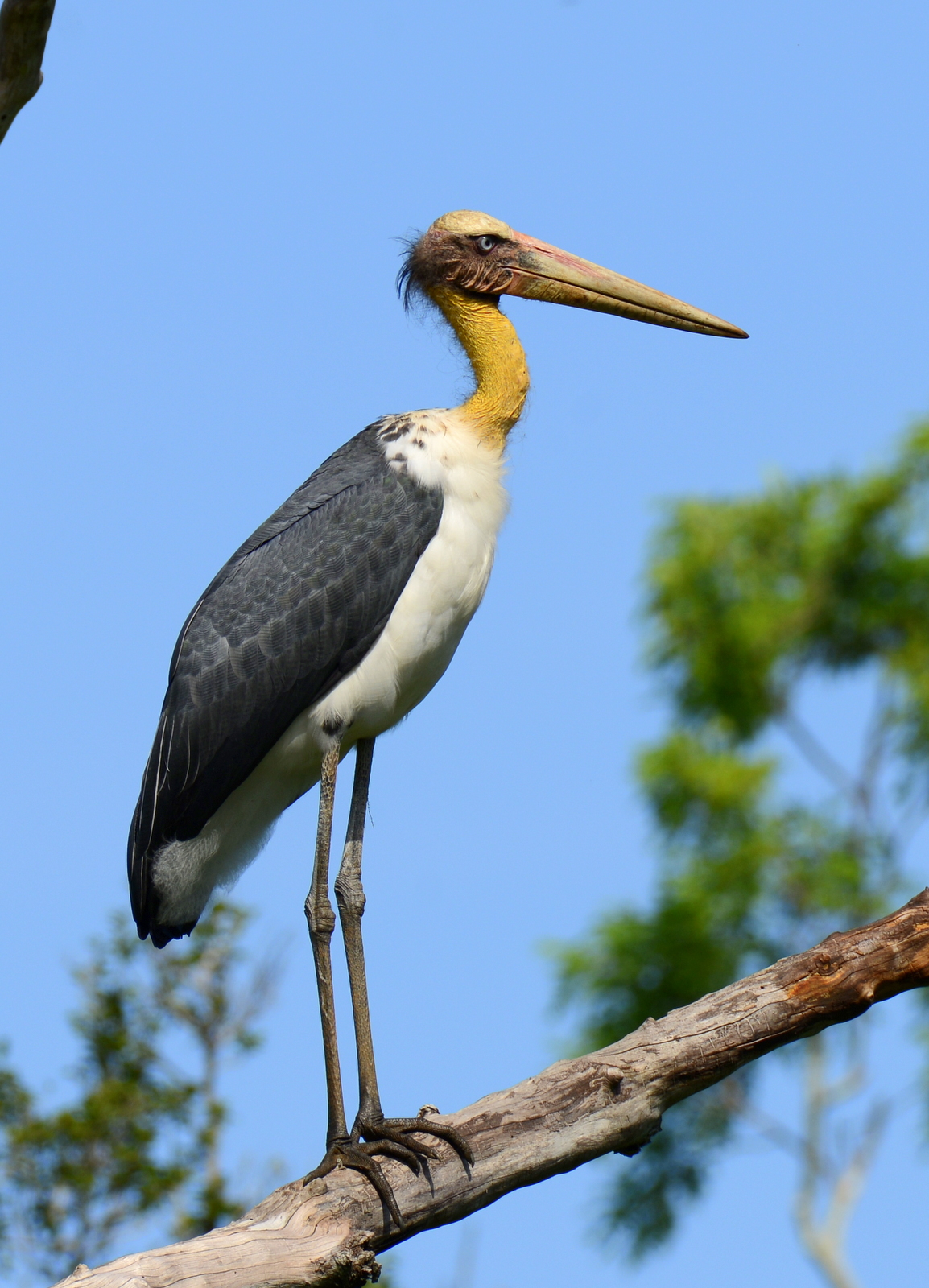
Lesser Adjutant
VULeptoptilos javanicus

Lesser Clouded Yellow
CRColias chrysotheme
The Lesser Clouded Yellow butterfly faces severe population declines primarily due to habitat loss and degradation of its specialized grassland ecosystems. Agricultural intensification, urbanization, and changes in land management practices have eliminated much of the species' required habitat. Climate change may also be affecting the availability of its host plants and suitable breeding conditions.

Lesser Clubmoss
ENSelaginella selaginoides
Lesser Clubmoss is declining primarily due to habitat loss and degradation from agricultural intensification, drainage of wetlands, and changes in land management practices. Climate change and altered hydrological regimes are also contributing to population declines by affecting the moist conditions this species requires.

Lesser creeping rush
ENJuncus repens
Lesser creeping rush faces severe population declines primarily due to habitat loss and degradation of its specialized wetland environments. Agricultural conversion, urban development, and altered hydrology from water management practices have significantly reduced available habitat, while invasive species competition further threatens remaining populations.
Lesser Featherwort
CRPlagiochila porelloides
Plagiochila porelloides, the Lesser Featherwort, faces severe population decline primarily due to habitat destruction and degradation of its specialized bryophyte communities. Climate change and air pollution are exacerbating the loss of suitable microhabitats required for this sensitive liverwort species. The species' extremely limited distribution and specific ecological requirements make it particularly vulnerable to environmental changes.

lesser field grasshopper
VUChorthippus mollis
lesser knob coral
VUCyphastrea agassizi
lesser knob coral
VUCyphastrea hexasepta

Lesser Marbled Fritillary
VUBrenthis ino
Lesser Marshwort
VUHelosciadium inundatum

Lesser Meadow-rue
VUThalictrum minus

Lesser Mottled Grasshopper
CRStenobothrus stigmaticus
The Lesser Mottled Grasshopper faces severe population declines primarily due to habitat loss and degradation of its specialized grassland environments. Agricultural intensification, urban development, and changes in land management practices have significantly reduced the availability of suitable short-grass habitats that this species requires for survival and reproduction.

Lesser noctule
CRNyctalus leisleri
The Lesser noctule faces severe population declines primarily due to habitat loss from deforestation and urbanization, which destroys crucial roosting sites in old-growth forests. Wind energy development poses an additional significant threat through direct mortality from turbine strikes, while climate change is altering the distribution and abundance of insect prey species that these bats depend upon for survival.

Lesser Pond-sedge
VUCarex acutiformis
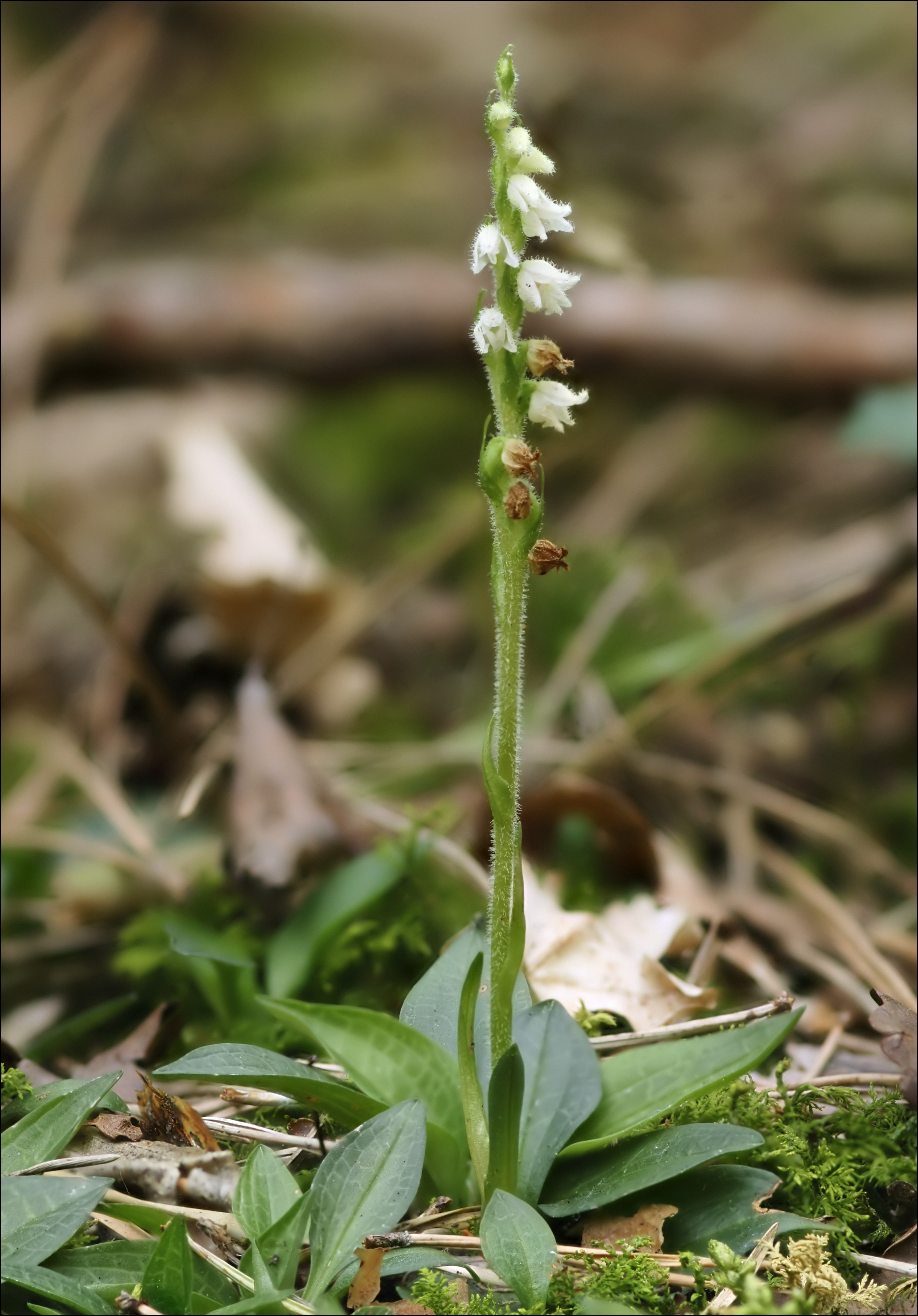
Lesser Rattlesnake Plantain
VUGoodyera repens
Lesser Rough Earwort
CRScapania aequiloba
Lesser Rough Earwort (Scapania aequiloba) is critically endangered primarily due to habitat loss and degradation of its specialized wetland environments. Climate change poses an additional threat by altering the moisture regimes essential for this bryophyte's survival. The species' extremely limited distribution makes it particularly vulnerable to local environmental changes and human disturbances.

Lesser Saltmarsh Sedge
VUCarex glareosa
Lesser Screw-moss
VUSyntrichia virescens

Lesser Smoothcap Moss
VUAtrichum angustatum

Lesser Spotted Fritillary
VUMelitaea trivia
Based on the available data, the specific threats facing the Lesser Spotted Fritillary butterfly have not yet been formally assessed or documented by conservation scientists. Without this threat assessment, it's not possible to identify what particular dangers this species may be facing, such as changes to the grasslands where it lives, climate impacts, or other environmental pressures. The current status of whether threats to this species are increasing, stable, or decreasing cannot be determined without proper scientific evaluation.
Lesser Squirrel-tail Moss
VUHabrodon perpusillus
lesser star coral
VUGoniastrea ramosa
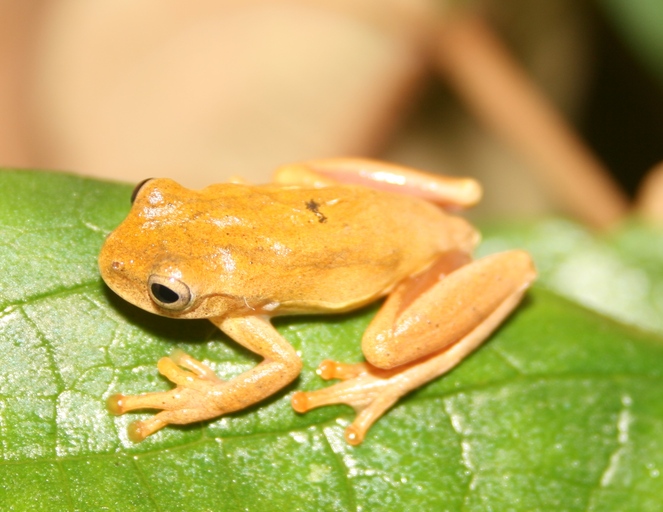
Lesser Treefrog
ENDendropsophus minutus
Habitat destruction from agricultural expansion and urban development has severely fragmented the Lesser Treefrog's breeding sites and forested corridors. Climate change-induced alterations to precipitation patterns threaten the ephemeral pools essential for reproduction, while emerging fungal diseases and pesticide contamination further compromise remaining populations.

Lesser Water-parsnip
VUBerula erecta

Lesser Water-plantain
ENBaldellia ranunculoides
Lesser Water-plantain is declining primarily due to habitat loss and degradation of shallow freshwater wetlands through agricultural intensification, urban development, and water management practices. The species is particularly vulnerable to changes in water levels and quality, as well as eutrophication from agricultural runoff and pollution.

Lesser-spotted Pinion
ENCosmia affinis
The Lesser-spotted Pinion is declining primarily due to habitat loss from agricultural intensification and urban development, which has reduced the availability of its preferred woodland and scrubland habitats. Climate change and pollution are additional stressors affecting both the species and its host plants.

Lettered China-mark
ENDiasemia reticularis
The Lettered China-mark moth is declining primarily due to habitat loss and degradation of its specialized wetland environments. Water pollution, agricultural intensification, and drainage of wetlands for development have severely reduced the availability of suitable breeding sites where its aquatic larvae can develop.
Levels Cleg
VUHaematopota subcylindrica

Lichen Running-spider
CRPhilodromus margaritatus
The Lichen Running-spider faces severe threats primarily from habitat loss and degradation of its specialized lichen-rich environments. Climate change and air pollution are particularly damaging as they directly impact the lichen communities this species depends on for both shelter and hunting grounds. The species' extremely limited distribution and specialized ecological requirements make it highly vulnerable to environmental changes.
Licht muggenstrontjesmos
VUPiccolia ochrophora
Liden prikvortelav
VUPertusaria pupillaris
Lidgate's brake
CRPteris lydgatei
Lidgate's brake is critically endangered due to severe habitat loss and degradation from invasive plant species, particularly in its native Hawaiian forest ecosystems. The species faces ongoing pressure from feral ungulates that damage its habitat and alter forest structure, while its extremely limited population size makes it vulnerable to stochastic events and genetic bottlenecks.
Light Red Meranti
CRShorea lepidota
Light Red Meranti (Shorea lepidota) is critically endangered primarily due to extensive deforestation and habitat loss throughout its native range in Southeast Asia. The species faces severe pressure from logging operations targeting dipterocarp forests, agricultural expansion, and palm oil plantation development, which have dramatically reduced and fragmented its remaining forest habitat.
Light Red Meranti
CRShorea palembanica
Light Red Meranti (Shorea palembanica) is critically endangered primarily due to extensive deforestation and habitat loss throughout its native range in Southeast Asia. The species faces severe pressure from logging operations targeting its valuable timber, as well as conversion of lowland dipterocarp forests to palm oil plantations and other agricultural uses.
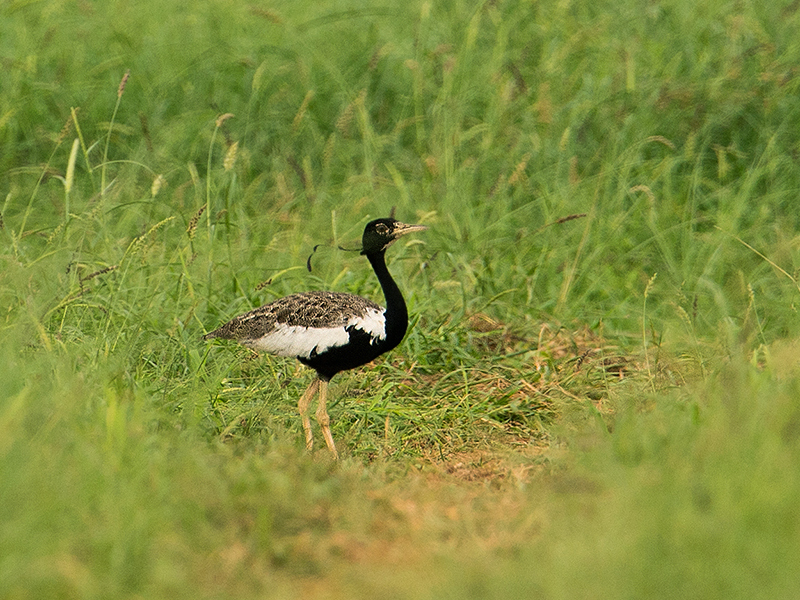
Likh
CRSypheotides indicus
The Lesser Florican (Sypheotides indicus) has experienced severe population declines primarily due to widespread conversion of grassland habitats to agriculture and urban development. Intensive farming practices, pesticide use, and the loss of traditional grazing systems have further degraded remaining suitable habitats, while hunting pressure in some regions continues to impact local populations.
Lilac Brittlegill
CRRussula lilacea
The Lilac Brittlegill (Russula lilacea) is critically endangered primarily due to habitat loss and degradation of its specialized forest ecosystems. As a mycorrhizal fungus dependent on specific host trees, it faces severe threats from deforestation, forest fragmentation, and changes in forest composition that disrupt the delicate symbiotic relationships essential for its survival.
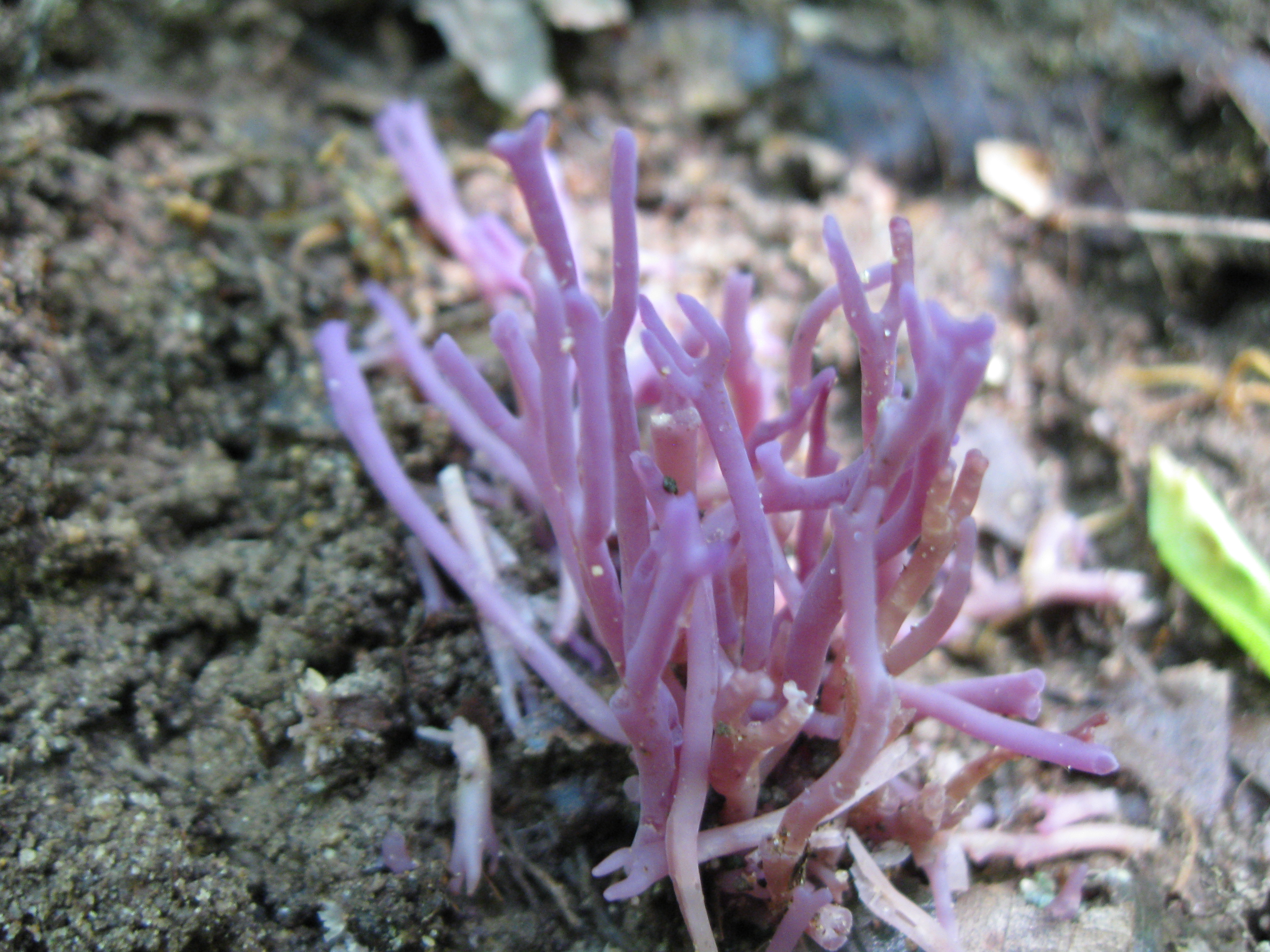
Lilac Coral
VURamariopsis pulchella
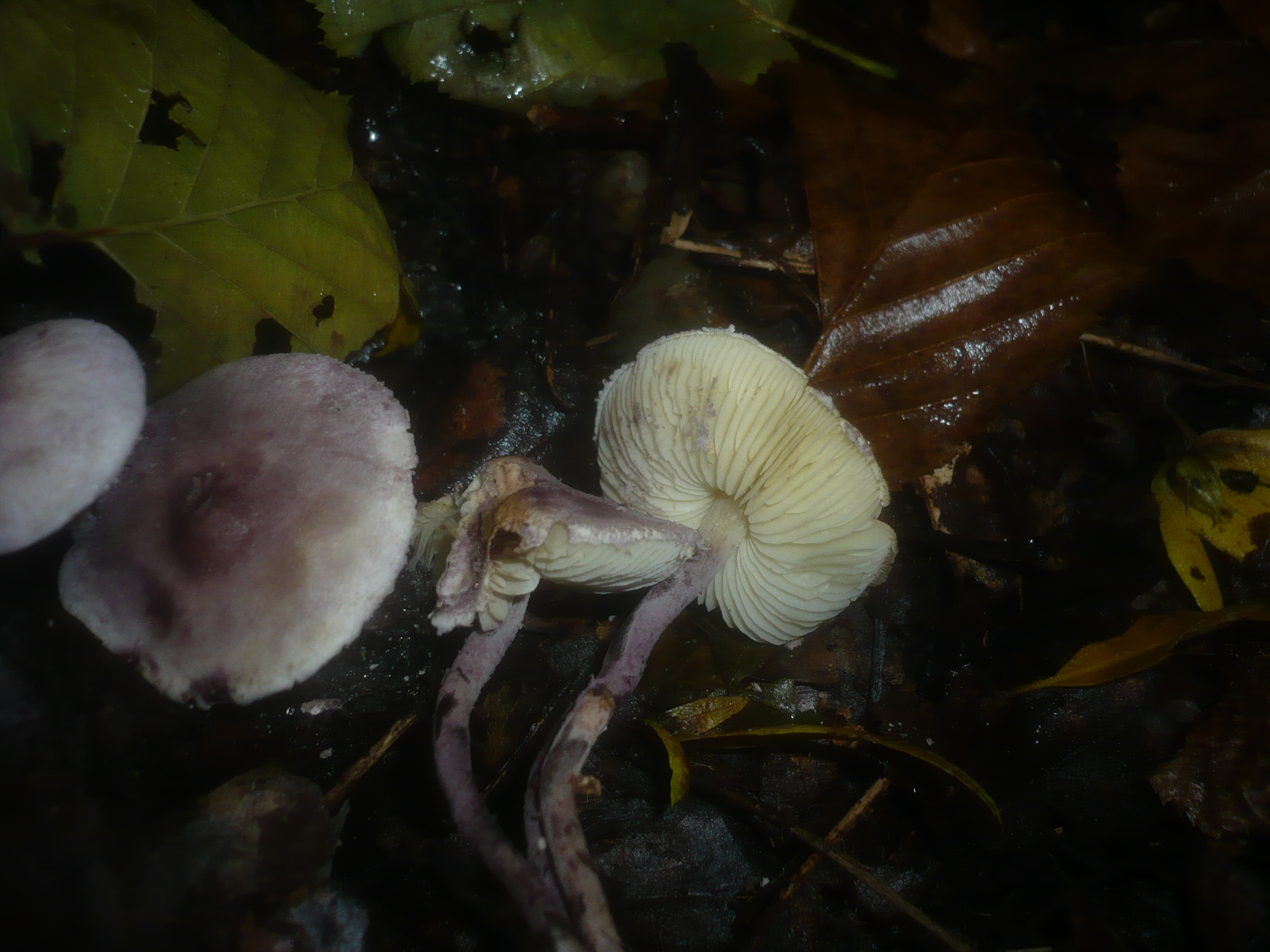
Lilac Dapperling
ENCystolepiota bucknallii
The Lilac Dapperling faces severe population declines primarily due to habitat loss from agricultural expansion and urban development in its limited range. Climate change and pollution further threaten the specific soil and vegetation conditions this rare fungus requires for survival.

Lilafarbener Schirmling
VULepiota lilacea

Lilafarbener Weichporling
ENSkeletocutis lilacina
Skeletocutis lilacina is declining primarily due to habitat loss from deforestation and intensive forest management practices that remove the old-growth deciduous trees it depends on. The species requires very specific substrate conditions of decaying hardwood, making it vulnerable to changes in forest composition and the removal of dead wood from managed forests.

Lilford's Wall Lizard
ENPodarcis lilfordi
Lilford's Wall Lizard faces severe threats primarily from habitat destruction and degradation on its restricted island range in the Balearic Islands. Introduced predators, particularly cats and rats, pose significant predation pressure on this endemic species, while tourism development and infrastructure expansion continue to fragment and destroy critical coastal and rocky habitats.
Lille elmebarkbille
VUScolytus laevis
Lilljeborg's Whorl Snail
CRVertigo lilljeborgi
Lilljeborg's Whorl Snail faces severe threats primarily from habitat loss and degradation of its specialized wetland environments. Climate change and human activities are altering the hydrological conditions of the fens and marshes this species depends on, while its extremely limited distribution makes it highly vulnerable to local extinctions.
limbergsfibbla
CRHieracium phaleratum
Hieracium phaleratum faces severe population decline primarily due to habitat loss from agricultural intensification and urban development in its limited alpine and subalpine range. Climate change poses an additional threat by shifting suitable habitat zones upward in elevation, reducing available habitat area. The species' restricted distribution and small population size make it particularly vulnerable to stochastic events and genetic bottlenecks.

Lime Knot-horn
VUSalebriopsis albicilla