
Lime Knot-horn
Salebriopsis albicilla
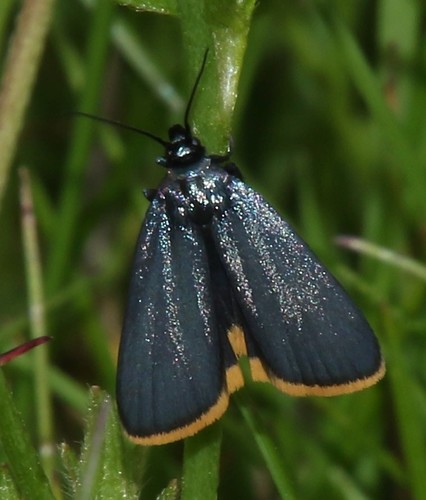
Photo: Wikimedia Commons (CC) via https://en.wikipedia.org/wiki/Salebriopsis
Overview
A detailed profile for this species is sourced from the IUCN Red List of Threatened Species as assessments become available.
The Lime Knot-horn faces severe pressure from habitat degradation due to agricultural intensification and urban development across its European range. Climate change poses an additional threat by altering the distribution and phenology of its host plants, particularly lime trees (Tilia species), disrupting the moth's reproductive cycle. Pesticide use in both agricultural and urban environments further reduces population viability by eliminating both the species and its food sources.
Habitat
The Lime Knot-horn inhabits deciduous woodlands, parks, and urban areas where lime trees (Tilia species) are present, as larvae feed specifically on lime tree bark and wood. Adults are typically found in mixed deciduous forests and tree-lined urban environments across central and eastern Europe.
Other threatened species in Pyralidae


Threatened in Austria
Frequently asked questions
Why is Lime Knot-horn classified as Vulnerable?
Where does Lime Knot-horn live?
What are the main threats to Lime Knot-horn?
Get weekly conservation intelligence
One short digest a week of the most striking species and country data we ship, plus breaking conservation news paired with our database where it matters.
Free, no spam. One-click unsubscribe in every email.