Species Explorer
Browse and search species from the IUCN Red List and GBIF.
54,666 species

Large Copper
VULycaena dispar
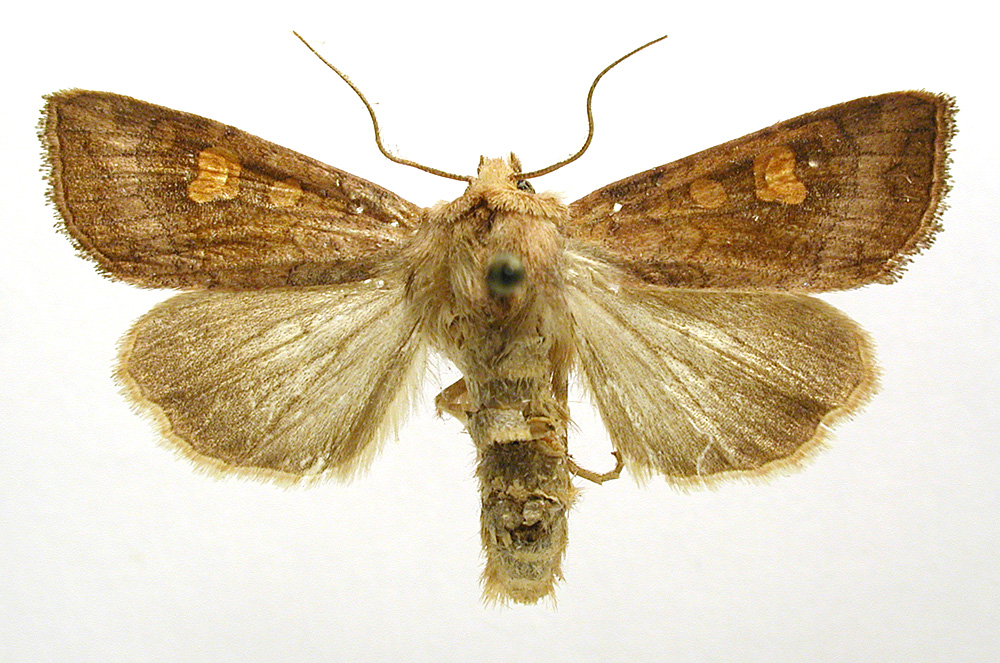
Large Ear
ENAmphipoea lucens
The Large Ear (Amphipoea lucens) is declining primarily due to habitat loss and degradation of its specialized wetland environments. Agricultural intensification, drainage of fens and marshes, and changes in water management practices have significantly reduced the availability of suitable breeding and feeding habitats for this moth species.

Large Elm Bark Beetle
ENScolytus scolytus
The Large Elm Bark Beetle faces severe population declines primarily due to the widespread loss of its host elm trees from Dutch elm disease, which has devastated elm populations across Europe and North America. Habitat fragmentation, urbanization, and the removal of dead and dying elm trees for disease control have further reduced available breeding sites for this specialized bark beetle.
Large Gorse Mining Bee
VUAndrena bimaculata
large greasewort
CRAneura maxima
Aneura maxima, a critically endangered liverwort, faces severe threats from habitat destruction and degradation of its specialized wetland environments. The species has an extremely limited distribution and small population size, making it highly vulnerable to environmental changes and human disturbances. Climate change and altered hydrology pose additional risks to the moist, stable conditions this bryophyte requires for survival.
Large Grizzled Skipper
VUPyrgus alveus

Large Marsh Grasshopper
VUStethophyma grossum

Large Marsh Horsefly
CRTabanus autumnalis
The Large Marsh Horsefly faces severe population decline primarily due to widespread destruction and degradation of its specialized wetland habitats. Agricultural intensification, urban development, and drainage of marshlands have eliminated much of the species' breeding and feeding grounds, while climate change further threatens remaining suitable habitat.

Large Sallow Mining Bee
ENAndrena apicata
The Large Sallow Mining Bee faces severe population declines primarily due to habitat loss from agricultural intensification and urban development, which has eliminated much of its specialized nesting and foraging habitat. The species' narrow ecological requirements and dependence on specific sallow species for pollen collection makes it particularly vulnerable to landscape changes and climate-driven shifts in plant phenology.

Large Saltmarsh Conch
VUPhalonidia affinitana

Large Scabious Mining Bee
CRAndrena hattorfiana
The Large Scabious Mining Bee is critically endangered primarily due to habitat loss and fragmentation of chalk grasslands and limestone areas where its host plant, Field Scabious, grows. Agricultural intensification, urban development, and changes in land management practices have severely reduced the availability of suitable nesting sites and foraging areas. The species' highly specialized relationship with Field Scabious makes it particularly vulnerable to habitat degradation.
Large Shaggy Bee
VUPanurgus banksianus
Large Sharp-tail Bee
CRCoelioxys conoideus
The Large Sharp-tail Bee faces severe population declines primarily due to habitat loss from agricultural intensification and urban development, which has eliminated much of its specialized nesting sites and reduced availability of host bee species. Climate change and pesticide use further compound these pressures, making this cleptoparasitic bee extremely vulnerable to extinction.

Large Tortoiseshell
CRNymphalis polychloros
The Large Tortoiseshell butterfly has experienced severe population declines across its range due to habitat loss and fragmentation of woodland areas where its host plants grow. Climate change and changing woodland management practices have further reduced suitable breeding habitats, while the species' specific ecological requirements make it particularly vulnerable to environmental changes.

Large Tree Finch
VUCamarhynchus psittacula
Large Tree-chernes
VUDendrochernes cyrneus
The Large Tree-chernes faces significant threats from habitat loss and degradation due to deforestation and human development activities in its limited range. As an endemic species with restricted distribution, it is particularly vulnerable to environmental changes and habitat fragmentation that reduce the availability of suitable old-growth forest environments.

largeflower rose gentian
CRSabatia grandiflora
The largeflower rose gentian faces severe threats primarily from habitat loss due to coastal development, sea level rise, and human disturbance in its limited salt marsh and coastal prairie habitats. The species has an extremely restricted range along the Gulf Coast, making it highly vulnerable to localized threats and environmental changes.

Larger Pale-tipped Black Moth
CRAmphipyra perflua
The Larger Pale-tipped Black Moth faces severe population decline primarily due to habitat loss and degradation of its specialized woodland environments. Climate change and agricultural intensification have further reduced suitable breeding and feeding sites, while light pollution disrupts its nocturnal behavior patterns.
laucha de Gorgona
VUTrichomycterus gorgona
Laurer's Catillaria
ENMegalaria laureri
Laurer's Catillaria is declining primarily due to habitat loss and degradation from deforestation, agricultural expansion, and urban development in its limited range. Air pollution and climate change are also contributing to the deterioration of suitable lichen habitat conditions.
laxgröppa
VUByssomerulius albostramineus
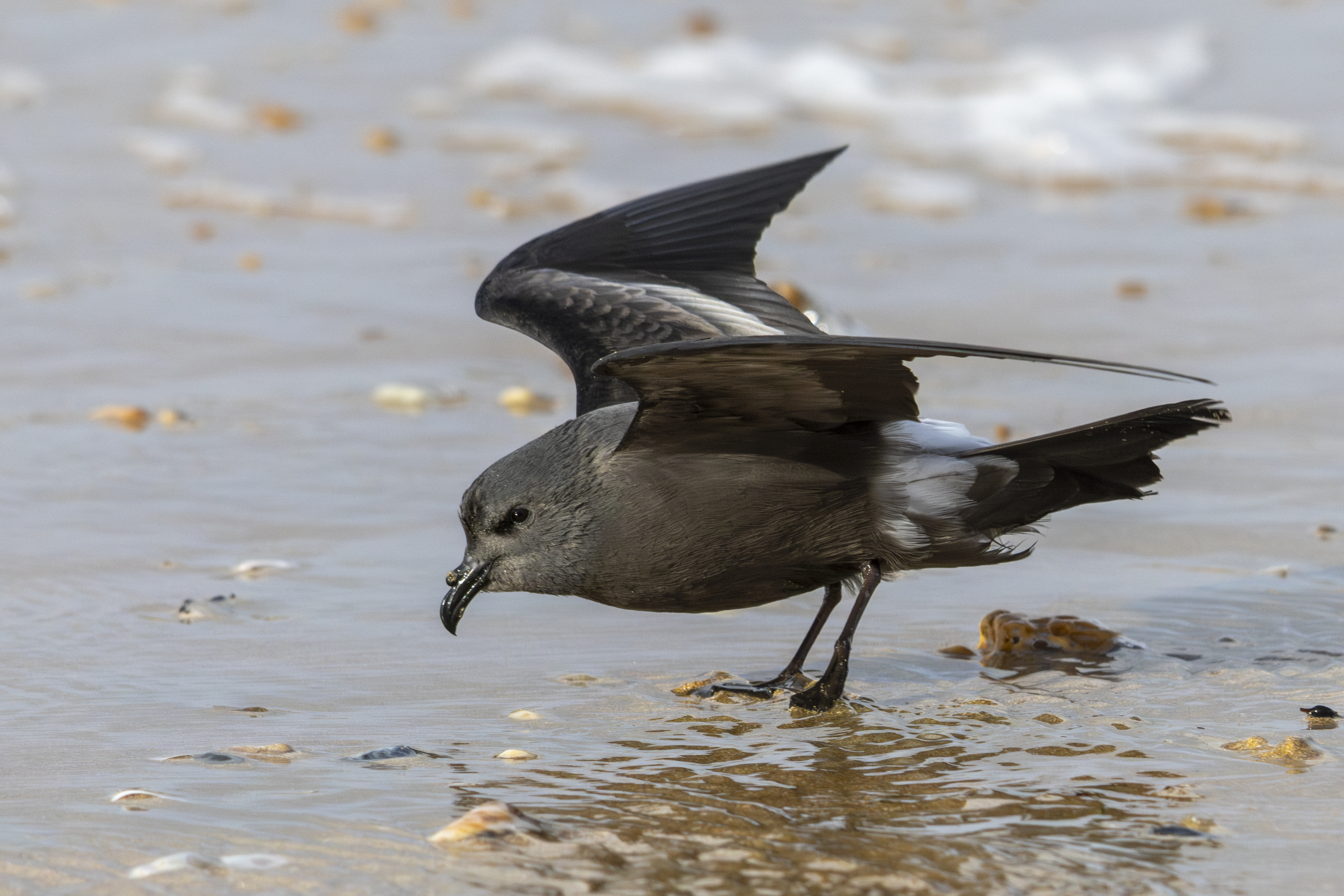
Leach’s Storm-petrel
VUOceanodroma leucorhoa

Lead Belle
ENScotopteryx mucronata
The Lead Belle moth is declining primarily due to habitat loss and degradation of its specialized chalk grassland habitats. Agricultural intensification, urban development, and changes in traditional grazing practices have significantly reduced the availability of suitable breeding sites containing its larval host plants.
leaf coral
VUPavona diffluens
leaf coral
VUPavona venosa

leaf coral
VUPavona bipartita
Leafless Ghostplant
VUVoyria aphylla
Leafy Rush
VUJuncus foliosus
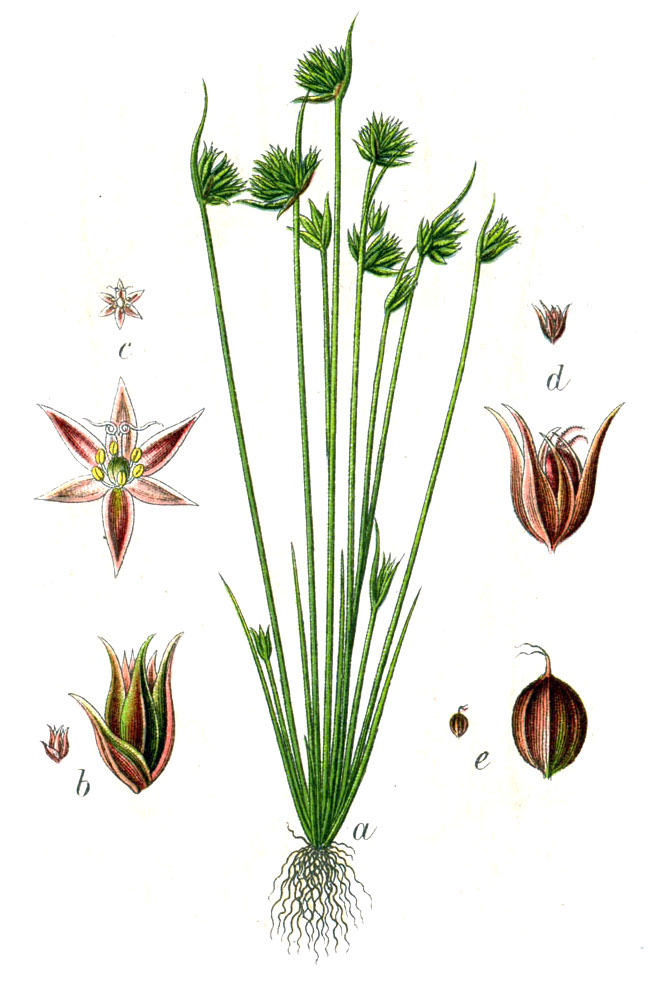
leafybract dwarf rush
ENJuncus capitatus
Juncus capitatus faces severe population declines primarily due to habitat loss from agricultural intensification, urban development, and drainage of wetland areas. The species' specialized requirements for temporary pools and seasonally flooded areas make it particularly vulnerable to hydrological changes and land use conversion.
Least Earwort
VUScapania curta

Least Lettuce
CRLactuca saligna
Least Lettuce (Lactuca saligna) faces severe population declines primarily due to habitat loss from agricultural intensification and urban development of its preferred wetland and coastal marsh environments. The species is particularly vulnerable to changes in water levels and salinity, making it highly susceptible to climate change impacts and coastal development pressures.

Least Minor
CRPhotedes captiuncula
The Least Minor (Photedes captiuncula) is critically endangered primarily due to severe habitat loss and degradation of its specialized wetland environments. The species depends on specific host plants in fen and marsh habitats that have been extensively drained, developed, or altered by agricultural intensification and urban expansion.
Least Owlet
VUScythris siccella
Least Puffball
VUBovista pusilla
Least Stonewort
ENNitella confervacea
Least Stonewort (Nitella confervacea) is declining primarily due to habitat loss and degradation of its freshwater aquatic environments. Water pollution, eutrophication from agricultural runoff, and physical disturbance of shallow water bodies have severely reduced suitable habitat for this charophyte algae.

Lebia croisée
CRLebia cruxminor
Lebia cruxminor faces severe population decline primarily due to habitat destruction from agricultural expansion and urbanization in its limited range. The species' specialized ecological requirements and small population size make it extremely vulnerable to environmental changes and human disturbance.

Lebranche mullet
VUMugil liza

leddvedfingermøll
VUPterotopteryx dodecadactyla

Legler's Stream Frog
ENPtychohyla legleri
Legler's Stream Frog faces severe population declines primarily due to habitat destruction from deforestation, agricultural expansion, and urban development in its limited montane range. The species is also threatened by water pollution from agricultural runoff and climate change impacts that alter the temperature and precipitation patterns critical for its stream-dependent lifecycle.
Lehmann's Rocket Frog
ENHyloxalus lehmanni
Lehmann's Rocket Frog faces severe population declines primarily due to habitat destruction from agricultural expansion and urban development in Colombia's Andean cloud forests. The species' extremely limited range and specialized habitat requirements make it particularly vulnerable to environmental changes and fragmentation.
Lehmfarbener Rasling
VULyophyllum paelochroum
lehtopikkupisteikäs
CRMuellerella hospitans
Muellerella hospitans faces severe population declines due to habitat destruction from deforestation and agricultural expansion across its limited range. The species' specialized ecological requirements and small population size make it extremely vulnerable to environmental changes and human disturbance.

leirglye
CREnchylium limosum
Enchylium limosum faces severe threats from habitat degradation due to pollution, eutrophication, and climate change affecting its specialized wetland environments. The species' restricted distribution and specific ecological requirements make it particularly vulnerable to environmental changes and human disturbances in freshwater and semi-aquatic ecosystems.
leliewolfspin
VUArctosa lutetiana

Lemon-browed Flycatcher
VUConopias cinchoneti

Lentil Shanklet
VUCollybia tuberosa

Leon's Robber Frog
ENPristimantis leoni
Leon's Robber Frog faces severe population declines primarily due to habitat destruction from agricultural expansion and urban development in its limited montane range. The species' restricted distribution makes it particularly vulnerable to localized threats, while climate change poses additional risks to its specialized high-elevation habitat requirements.

Lépiote à base couleur de feu
VULepiota ignivolvata
Lépiote de forquignon
VULepiota forquignonii

Lépiote vineuse
VULepiota fuscovinacea