
Lichen Running-spider
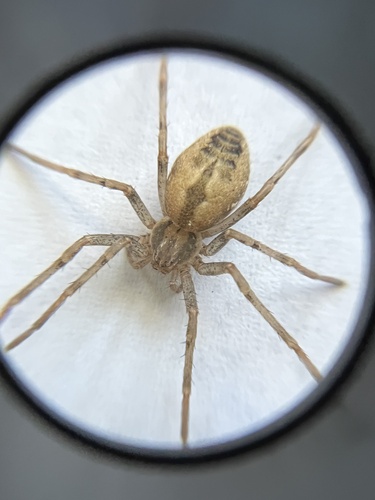
Philodromus margaritatus
Photo: Wikimedia Commons (CC) via https://en.wikipedia.org/wiki/Philodromus_margaritatus
Overview
Philodromus margaritatus is a species of philodromid crab spiders. It is found in Europe, Turkey, Caucasus, Russia to Kazakhstan, Korea and Japan.
The Lichen Running-spider faces severe threats primarily from habitat loss and degradation of its specialized lichen-rich environments. Climate change and air pollution are particularly damaging as they directly impact the lichen communities this species depends on for both shelter and hunting grounds. The species' extremely limited distribution and specialized ecological requirements make it highly vulnerable to environmental changes.
Other threatened species in Philodromidae

Frequently asked questions
Why is Lichen Running-spider classified as Critically Endangered?
Where does Lichen Running-spider live?
What are the main threats to Lichen Running-spider?
Get weekly conservation intelligence
One short digest a week of the most striking species and country data we ship, plus breaking conservation news paired with our database where it matters.
Free, no spam. One-click unsubscribe in every email.