Species Explorer
Browse and search species from the IUCN Red List and GBIF.
54,666 species

Lime Pricklyash
ENZanthoxylum fagara
Lime Pricklyash faces severe population decline primarily due to habitat loss from urban development and agricultural expansion throughout its native range in the southeastern United States, Caribbean, and Central America. Coastal development and land conversion for agriculture have fragmented and destroyed much of its natural habitat, while climate change poses additional stress through altered precipitation patterns and increased storm intensity.

Limestone Salamander
VUHydromantes brunus
limestone spleenwort
VUAsplenium verecundum
Limestone Waxcap
VUHygrocybe calciphila
Limestone Woundwort
CRStachys alpina
Limestone Woundwort faces severe population decline due to habitat destruction and fragmentation of its specialized limestone grassland and rocky outcrop environments. The species is particularly vulnerable due to its extremely limited distribution and small population sizes, making it susceptible to local extinctions from human disturbance and natural stochastic events.
Limón De Monte
VUSiparuna croatii
Limpleaf Fern
ENMicrolepia speluncae
Limpleaf Fern (Microlepia speluncae) faces severe population declines primarily due to habitat destruction from urban development and agricultural expansion in its limited range. The species' restriction to specific cave and rocky outcrop environments makes it particularly vulnerable to localized disturbances and environmental changes.
Linda's Treefrog
VUHyloscirtus lindae
linddyna
VUBiscogniauxia cinereolilacina

Lindegråbuk
VUExocentrus lusitanus

Linden
CRTilia platyphyllos
Tilia platyphyllos (Large-leaved Lime) faces significant threats from habitat loss due to deforestation and urban development, particularly affecting its native European range. Climate change and extreme weather events are increasingly impacting remaining populations, while hybridization with other Tilia species threatens genetic integrity.
lindfläckbock
CRChlorophorus herbstii
The lindfläckbock (Chlorophorus herbstii) is critically endangered primarily due to habitat loss and fragmentation of its specialized woodland environments. This longhorn beetle species has extremely limited distribution and depends on specific host trees that are increasingly rare due to forest management practices and urban development.
Lindley's Bramble
CRRubus lindleyanus
Lindley's Bramble faces severe threats primarily from habitat destruction and fragmentation due to agricultural expansion and urban development in its limited range. The species' extremely restricted distribution makes it particularly vulnerable to localized threats, with small population sizes increasing extinction risk from stochastic events.
lindplattbagge
CRLaemophloeus monilis
Laemophloeus monilis, the lindplattbagge, is critically endangered primarily due to habitat loss from deforestation and degradation of old-growth forests where it depends on specific host trees. The species has an extremely limited distribution and small population size, making it highly vulnerable to environmental changes and human activities that fragment its specialized woodland habitat.
Ling Owlet
CRScythris empetrella
The Ling Owlet faces severe population declines due to habitat loss from deforestation and agricultural expansion across its limited range. Climate change is altering the specific microhabitat conditions this specialized moth requires, while light pollution disrupts its nocturnal behavior patterns and reproductive cycles.

Ling Tubic
VUAmphisbatis incongruella

língua-de-vaca
VUChrysophyllum splendens
linjebusknuding
VUHero formosa

Lion's-mane Mushroom
CRHericium erinaceus
Lion's-mane Mushroom faces severe decline primarily due to widespread deforestation and habitat loss of old-growth deciduous forests where it grows on aging hardwood trees. The species is particularly vulnerable because it requires specific host trees and forest conditions that are increasingly rare due to intensive forestry practices and urban development.

Liquorice Piercer
VUGrapholita pallifrontana
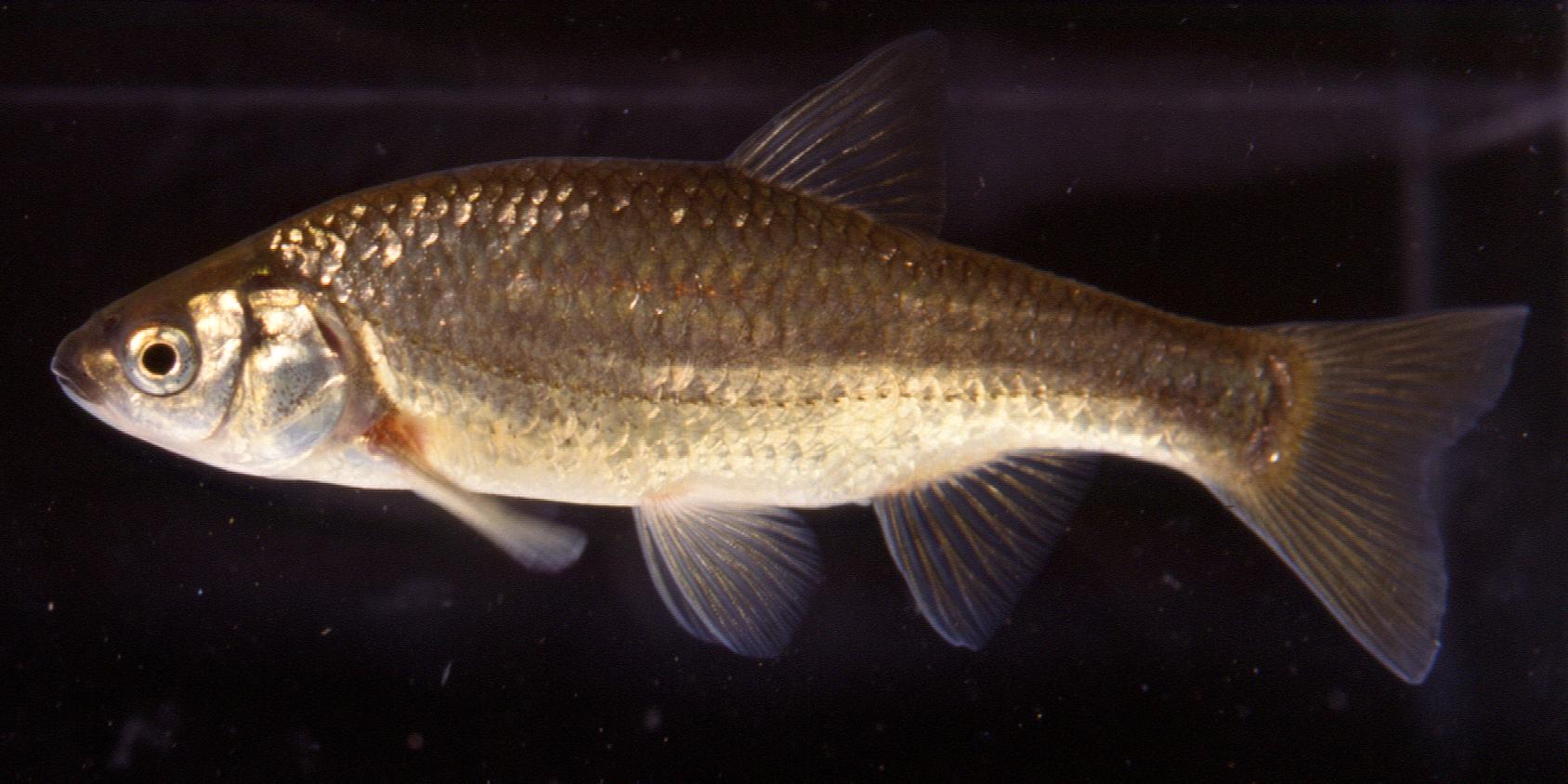
Lisbon arched-mouth nase
CRIberochondrostoma olisiponensis
The Lisbon arched-mouth nase faces severe threats from habitat degradation and water pollution in its limited range within Portuguese river systems. Dam construction and water extraction have fragmented populations and altered natural flow regimes, while agricultural runoff and urban pollution have degraded water quality in critical spawning and feeding areas.
liten billeslørsopp
VUCortinarius carabus
liten blekspik
VUSclerophora peronella
liten elvebreddsedderkopp
ENArctosa stigmosa
Arctosa stigmosa is declining primarily due to habitat degradation and loss of suitable riverbank environments. Human activities including river regulation, pollution, and development along waterways have significantly reduced the quality and extent of the specialized sandy and gravelly riverbank habitats this species requires.
liten havstulpanlav
VUThelotrema suecicum
liten kandelabersvamp
CRArtomyces cristatus
Artomyces cristatus faces severe decline primarily due to habitat loss from deforestation and forest fragmentation, which destroys the old-growth deciduous forests it depends on for survival. Climate change and pollution further stress remaining populations by altering forest ecosystems and degrading the specific microhabitat conditions this specialized fungus requires.
liten lundpuckeldansfluga
ENOedalea tibialis
Oedalea tibialis faces severe population declines primarily due to habitat loss from agricultural intensification and urban development in its specialized wetland environments. Climate change is altering precipitation patterns and water levels in the shallow, temporary pools this species requires for breeding. Pollution from agricultural runoff and pesticide use further degrades the quality of remaining suitable habitats.
liten myrlejonslända
ENMyrmeleon bore
liten parasitspik
CRSphinctrina leucopoda
Sphinctrina leucopoda, a lichen species, faces severe threats primarily from habitat loss and degradation due to air pollution and climate change. The species is highly sensitive to environmental changes and requires specific substrate conditions that are increasingly rare in its native range.
liten sönderfallslav
VUBactrospora corticola
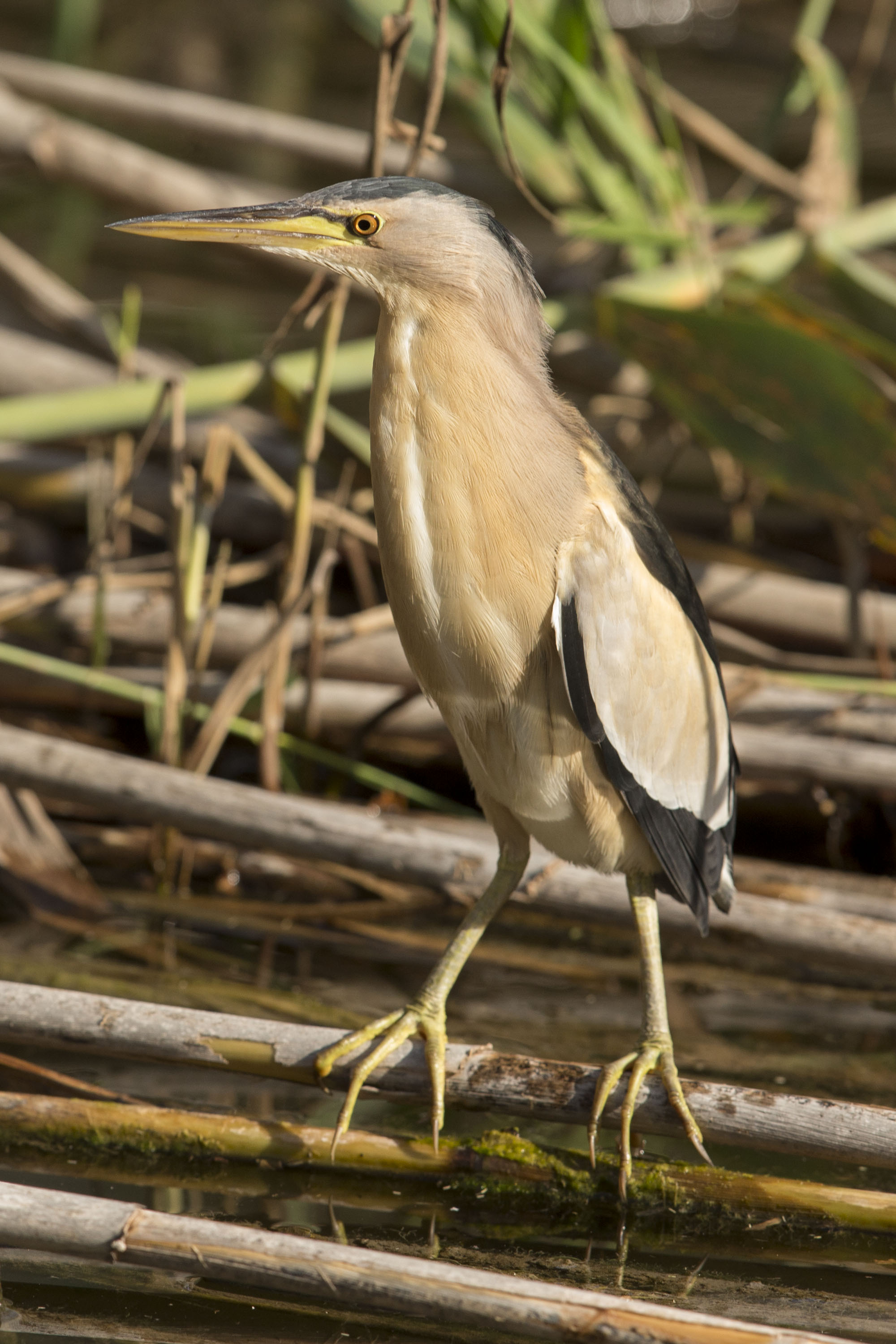
Little Bittern
ENIxobrychus minutus

Little Bunting
VUEmberiza pusilla
Little Cup Orchid
ENBrachionidium parvum

Little Egret/western Reef-heron
ENEgretta garzetta

Little Ground Squirrel
CRSpermophilus pygmaeus
The Little Ground Squirrel faces severe population declines primarily due to extensive habitat loss from agricultural conversion and urban development across its steppe range. Climate change is altering precipitation patterns and vegetation composition in its already fragmented habitat, while increased grazing pressure and infrastructure development further reduce available suitable areas.

Little Gull
CRHydrocoloeus minutus
The Little Gull faces significant threats from habitat loss and degradation of its breeding wetlands, particularly due to drainage and development of marshes and shallow lakes. Climate change is altering precipitation patterns and water levels in critical breeding areas, while pollution and human disturbance at both breeding and wintering sites further compromise population stability.

Little Moonwort
ENBotrychium simplex

Little Owl
ENAthene noctua
The Little Owl faces significant population declines across much of its European range due to habitat loss from agricultural intensification and urbanization. The conversion of traditional mixed farming landscapes to intensive monocultures has eliminated the mosaic of grasslands, hedgerows, and old buildings that this species requires for hunting and nesting.

Little Thorn
ENCepphis advenaria
little wolverine moss
VUPsilopilum cavifolium

Livid Pinkgill, Livid entoloma, Livid agaric, Leaden entoloma, Lead poisoner
VUEntoloma sinuatum
ljus flikfibbla
ENHieracium limitaneum

ljus nästingbagge
VUChoragus sheppardi
ljus sandkortvinge
VUPhytosus balticus
ljus tassfibbla
CRHieracium mallopodoides
Hieracium mallopodoides faces severe threats primarily from habitat loss and degradation due to agricultural intensification and urban development in its limited range. The species' extremely restricted distribution makes it particularly vulnerable to local environmental changes and human activities. Climate change may further exacerbate these pressures by altering the specific ecological conditions this specialized plant requires.
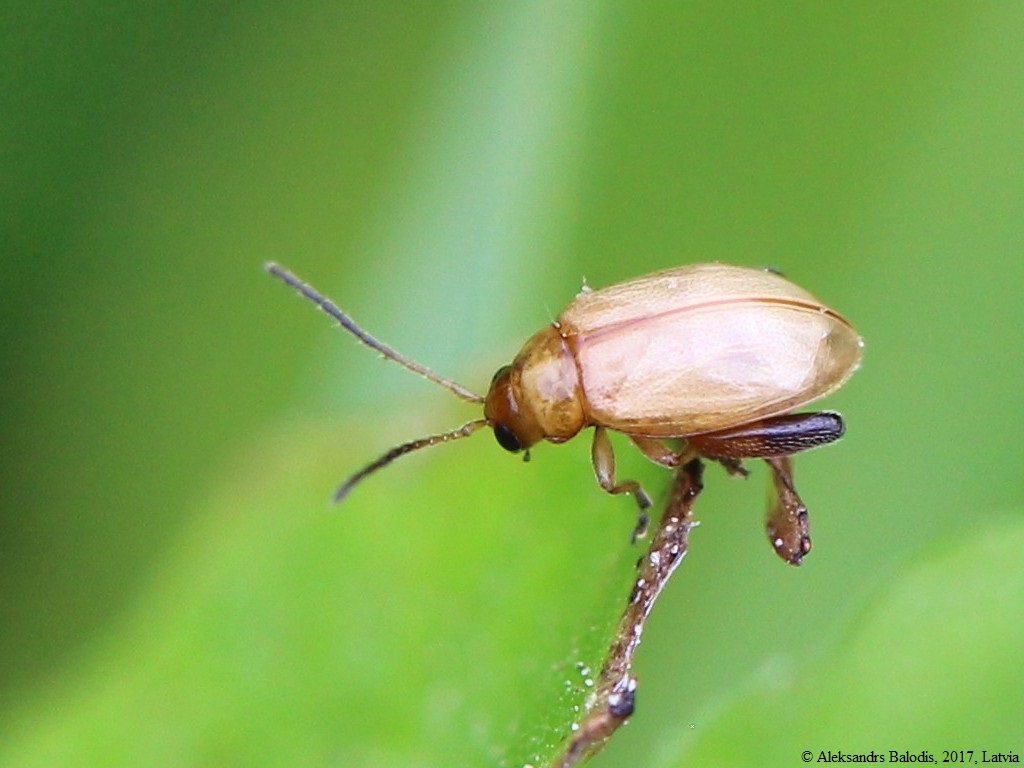
ljusgul jordloppa
CRLongitarsus ochroleucus
Longitarsus ochroleucus faces severe population decline primarily due to habitat loss and degradation of its specialized coastal sand dune environments. The species' extremely limited distribution and small population size make it highly vulnerable to environmental changes and human disturbance in its restricted range.
ljuskantad småstävmal
ENScrobipalpula psilella
ljussporig hjorttryffel
VUElaphomyces septatus
lobed cactus coral
VULobophyllia flabelliformis

Lobophore de l'Actée (La)
VUAcasis appensata