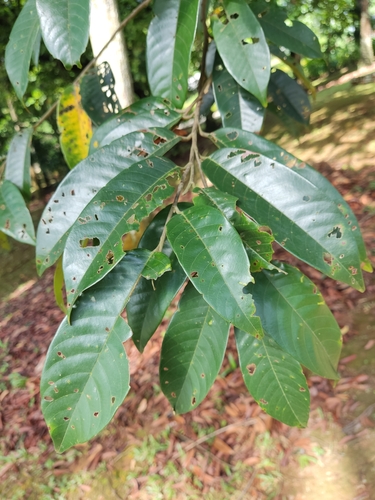
Light Red Meranti
Shorea lepidota
Photo: Photo: (c) Nik Faizu Nik Hassan, some rights reserved (CC BY-NC), uploaded by Nik Faizu Nik Hassan
Overview
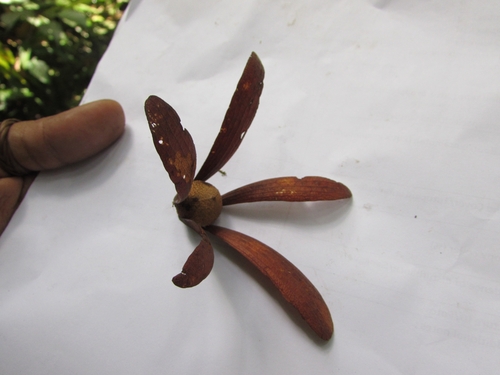
Rubroshorea lepidota is a species of flowering plant in the family Dipterocarpaceae. It is native to Sumatra, Peninsular Malaysia, and Peninsular Thailand. It is a tall tree which can grow up to 50 metres tall, with a buttressed trunk. It grows in lowland dipterocarp rain forest up to 350 metres elevation.
Light Red Meranti (Shorea lepidota) is critically endangered primarily due to extensive deforestation and habitat loss throughout its native range in Southeast Asia. The species faces severe pressure from logging operations targeting dipterocarp forests, agricultural expansion, and palm oil plantation development, which have dramatically reduced and fragmented its remaining forest habitat.
Other threatened species in Dipterocarpaceae

Frequently asked questions
Why is Light Red Meranti classified as Critically Endangered?
Where does Light Red Meranti live?
What are the main threats to Light Red Meranti?
Get weekly conservation intelligence
One short digest a week of the most striking species and country data we ship, plus breaking conservation news paired with our database where it matters.
Free, no spam. One-click unsubscribe in every email.