Species Explorer
Browse and search species from the IUCN Red List and GBIF.
54,666 species
Giant Hardyhead
CRSashatherina giganteus
The Giant Hardyhead faces severe threats primarily from habitat destruction and water quality degradation in its limited freshwater lake systems in Western Australia. Introduced species and altered hydrology from human activities have further compromised the remaining populations of this critically endangered endemic fish.

Giant Hispaniolan Galliwasp
CRCelestus anelpistus
The Giant Hispaniolan Galliwasp faces severe threats primarily from extensive habitat destruction due to deforestation, agricultural expansion, and urban development across its limited range in Haiti and the Dominican Republic. The species' already restricted distribution makes it extremely vulnerable to these ongoing habitat pressures, with remaining forest fragments becoming increasingly isolated and degraded.

Giant Spear-moss
VUCalliergon giganteum

Giant Water-veneer
VUSchoenobius gigantella
Gilbender Rasling
CRLyophyllum aemiliae
The Gilbender Rasling faces severe threats from habitat destruction due to deforestation and urban development in its limited range. Climate change is altering the specific moisture and temperature conditions this fungus requires for fruiting and mycelial growth. Pollution from agricultural runoff and industrial activities is degrading the soil chemistry essential for this species' survival.

Gilded Bolete
VUAureoboletus gentilis

Gilded catfish, Jaú
VUZungaro zungaro
Girdled Dapperling
VULepiota boudieri
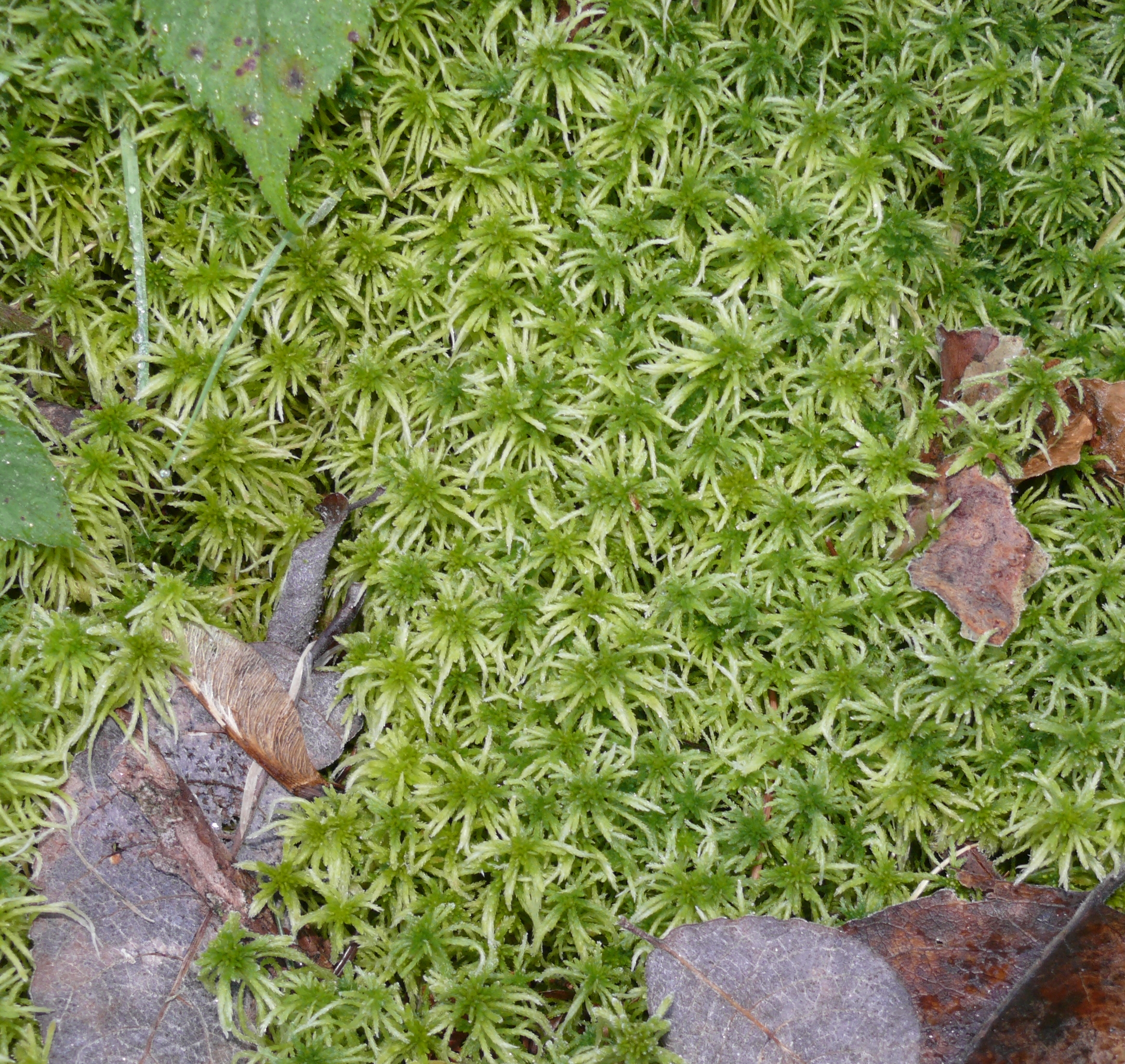
Girgensohn's Sphagnum
VUSphagnum girgensohnii
Giulia's Marbled Bush-cricket
VUEupholidoptera giuliae
gjørmeedderkopp
ENErigonella ignobilis
Erigonella ignobilis faces severe population declines primarily due to habitat destruction from agricultural intensification and urban development in its limited range. Climate change and pesticide use in agricultural areas further threaten the remaining populations of this small spider species.

gladde slankmier
VULeptothorax gredleri
Gladiator Elimia
VUElimia hydeii
glanssmalbi
VULasioglossum lucidulum
glanstagel
ENBryoria nitidula
Bryoria nitidula faces severe decline primarily due to air pollution, particularly sulfur dioxide and nitrogen compounds that damage its sensitive lichen thalli. Habitat loss from deforestation and urban development has eliminated many suitable host trees, while climate change is altering the cool, humid conditions this species requires for survival.
gläntsvartspindel
VUDrassyllus pumilus

Glanville Fritillary
CRMelitaea cinxia
The Glanville Fritillary faces severe population declines primarily due to habitat loss and fragmentation of its specialized grassland ecosystems. Climate change and agricultural intensification have further reduced the availability of suitable breeding sites containing its host plant, ribwort plantain. Small, isolated populations are particularly vulnerable to local extinctions due to reduced genetic diversity and increased susceptibility to environmental stochasticity.
glanzende dennenspringer
VUDendryphantes rudis
glanzende zakspin
VUClubiona caerulescens

Glänzender Moor-Flämmling
ENGymnopilus fulgens
Glänzender Moor-Flämmling (Gymnopilus fulgens) is declining primarily due to habitat loss and degradation of its specialized bog and wetland ecosystems. Drainage of peatlands for agriculture and development, along with climate change affecting moisture regimes, are the primary drivers of population decline for this endangered fungal species.
glassblå rødspore
VUEntoloma caeruleopolitum
glasshårlav
VULeptochidium albociliatum

Glasswort case-bearer
CRColeophora salicorniae
The Glasswort case-bearer is critically endangered primarily due to habitat loss and degradation of coastal saltmarsh ecosystems where its host plant, glasswort (Salicornia species), grows. Coastal development, sea-level rise, and changes in saltmarsh management have severely reduced the availability of suitable breeding habitat for this highly specialized moth species.
glatt villsvinslørsopp
ENCortinarius hillieri
Cortinarius hillieri faces severe decline due to habitat loss from deforestation and land conversion in its limited range. The species' specialized ecological requirements and small population size make it particularly vulnerable to environmental changes and human disturbance.
Glatter Schirmling
VULepiota oreadiformis
Glaucous Beard-moss
CRDidymodon glaucus
Glaucous Beard-moss (Didymodon glaucus) faces severe threats from habitat destruction and degradation of its specialized limestone cliff and rock crevice environments. Urban development, quarrying activities, and recreational climbing have significantly reduced available habitat, while air pollution and climate change alter the delicate microenvironments this moss requires for survival.
Glente-slørhat
ENCortinarius milvinicolor
Glente-slørhat (Cortinarius milvinicolor) is declining primarily due to habitat loss and degradation of its specialized forest ecosystems. Climate change and atmospheric pollution are additional stressors affecting the delicate mycorrhizal relationships this fungus depends on for survival.
glimmende platbek
VUHeringia heringi
glimmende smaragdgroefbij
VULasioglossum nitidulum
Glinsende ovalløber
CRAmara nitida
Amara nitida, a ground beetle species, faces severe population declines primarily due to habitat loss and degradation of its specialized coastal and sandy environments. Agricultural intensification, urban development, and changes in land management practices have significantly reduced the availability of suitable breeding and foraging habitats. Climate change and coastal erosion further threaten the remaining populations of this critically endangered species.

Globe Ball Lichen
CRSphaerophorus globosus
Globe Ball Lichen (Sphaerophorus globosus) is critically endangered primarily due to habitat loss from deforestation and land conversion in its limited range. Air pollution and climate change further threaten this sensitive lichen species, which requires specific environmental conditions to survive.

glory-pea
ENClianthus puniceus
The glory-pea (Clianthus puniceus) has declined dramatically due to habitat destruction, browsing by introduced mammals, and competition from invasive plant species. The species now exists primarily in cultivation, with very few wild populations remaining in New Zealand.

Goatcheese Webcap
VUCortinarius camphoratus

Goblet-marked Damselfly
VUErythromma lindenii

Gold Flecked Woodwax
VUHygrophorus chrysodon
Gold Tooth
VUHydnellum auratile
Goldafter-Bindensandbiene
CRAndrena chrysopyga
Andrena chrysopyga, the Golden-tailed Mining Bee, faces severe population declines primarily due to habitat loss and degradation of its specialized sandy soil nesting sites. Agricultural intensification, urban development, and the loss of its preferred flowering plants have drastically reduced suitable breeding and foraging areas. Climate change may further exacerbate these pressures by altering the timing of plant flowering and affecting soil conditions.

Goldcrest
VURegulus regulus

Golden Bandicoot
VUIsoodon auratus
Golden dwarfgentian
VUGentianella aurea
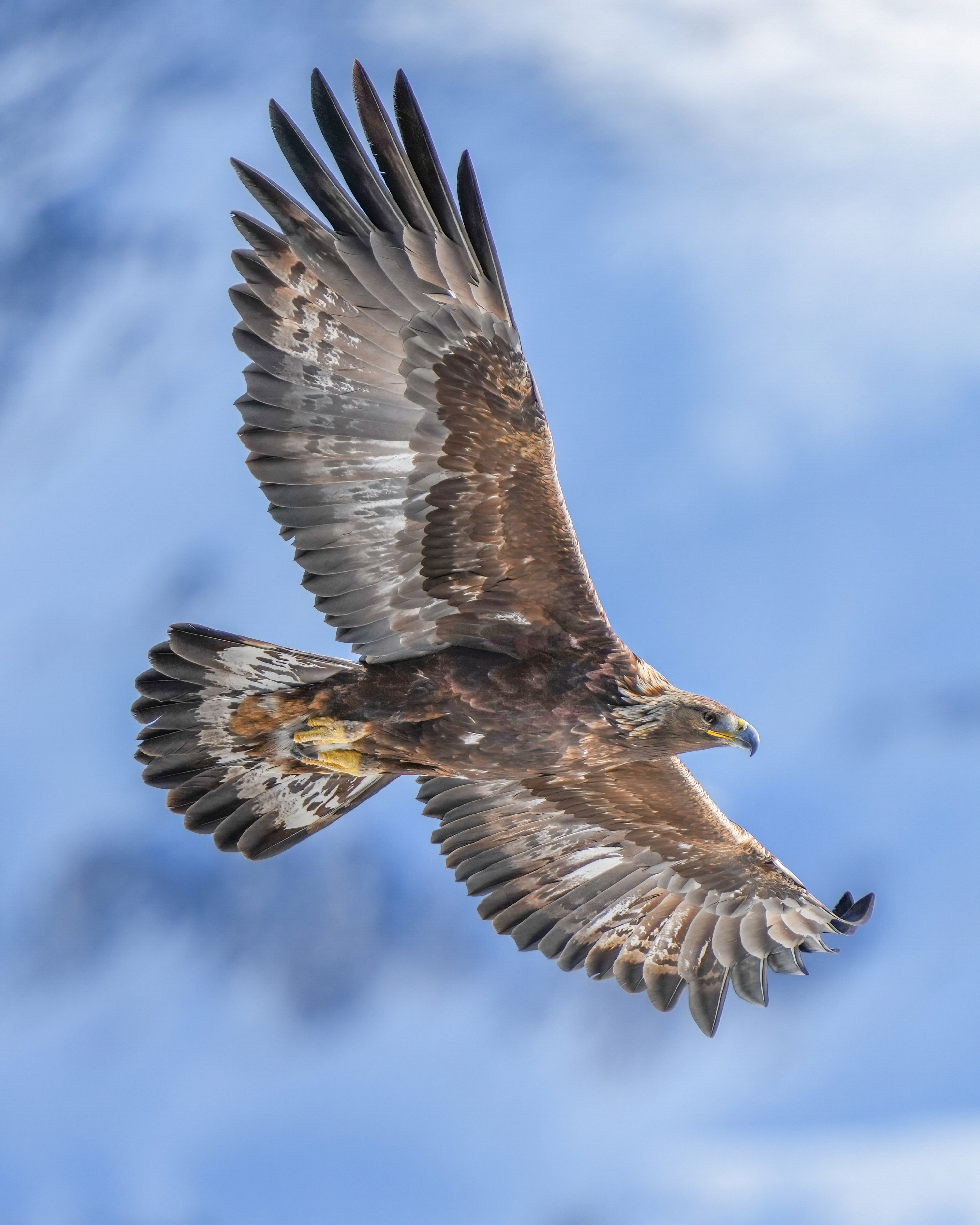
Golden Eagle
CRAquila chrysaetos
Golden Eagles face significant population declines primarily due to habitat loss from human development, collisions with wind turbines and power lines, and persecution through shooting and poisoning. Climate change is also altering prey availability and suitable nesting habitat across their range.

Golden Gilled Bolete
VUPhylloporus pelletieri

Golden Ground Beetle
VUCarabus auratus
Golden Lantern-spider
ENAgroeca cuprea
The Golden Lantern-spider (Agroeca cuprea) faces severe population declines primarily due to habitat loss from agricultural intensification and urban development in its limited range. Climate change and pesticide use in agricultural areas further threaten the remaining populations of this specialized spider species.

Golden Waxcap
CRHygrocybe chlorophana
The Golden Waxcap (Hygrocybe chlorophana) is critically endangered primarily due to habitat loss and degradation of its specialized grassland ecosystems. Agricultural intensification, including increased fertilizer use and conversion of traditional pastures to intensive farming, has severely reduced the nutrient-poor grasslands this species requires. Climate change and pollution further threaten the delicate soil chemistry and fungal networks essential for this species' survival.
Golden Webcap
VUCortinarius humicola
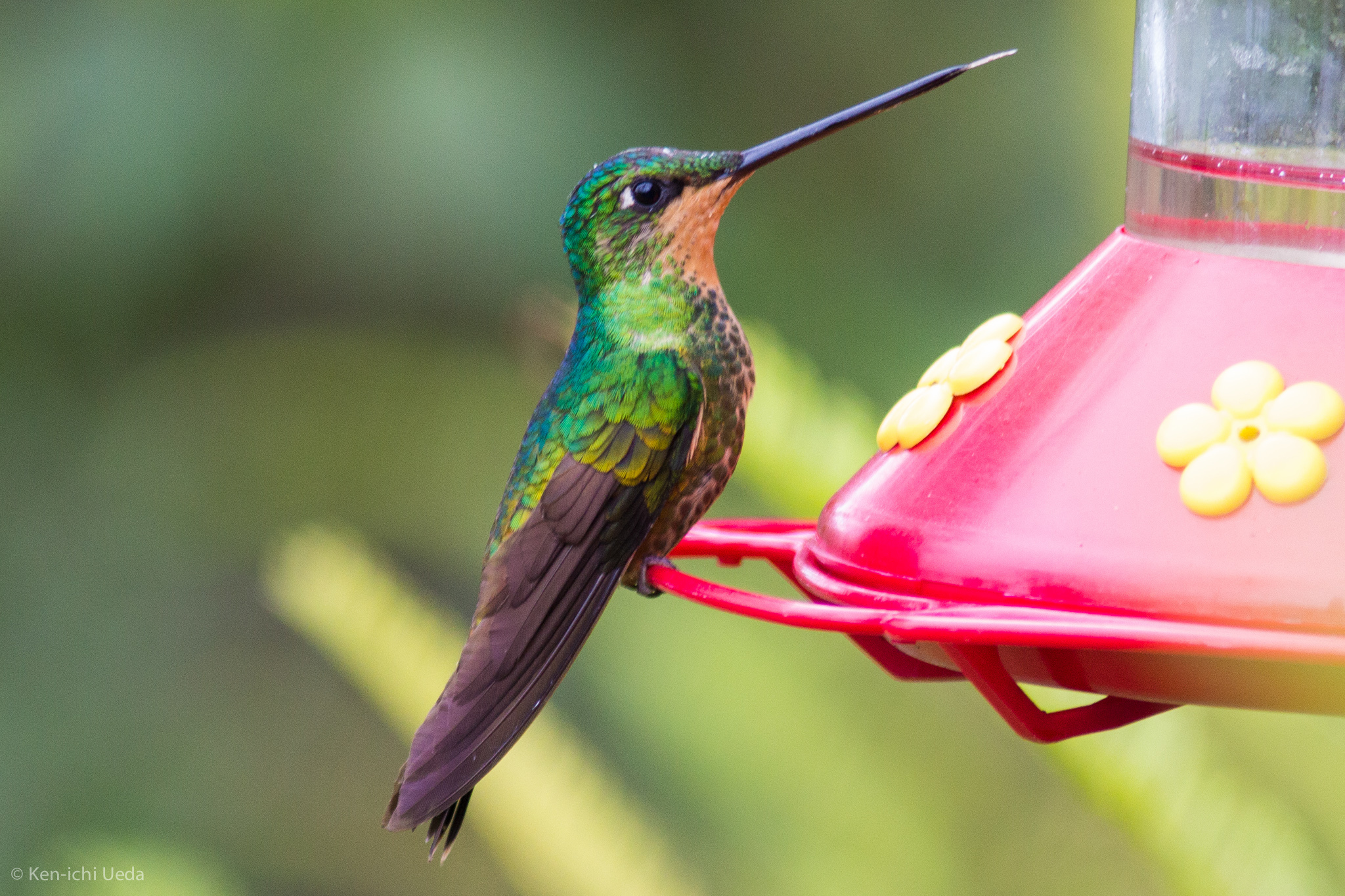
Golden-bellied Starfrontlet
ENCoeligena bonapartei
The Golden-bellied Starfrontlet faces severe population declines primarily due to extensive habitat loss from deforestation, agricultural expansion, and mining activities throughout its restricted Andean range. Climate change poses an additional threat by altering the specific temperature and precipitation conditions required for the cloud forest ecosystems this species depends upon.

Golden-chested Tanager
VUBangsia rothschildi

Golden-plumed Parakeet
VULeptosittaca branickii

Golden-tabbed Robberfly
ENEutolmus rufibarbis
The Golden-tabbed Robberfly faces severe population declines primarily due to habitat loss from agricultural intensification and urban development in its limited range. Climate change and pesticide use in agricultural areas further threaten the specialized invertebrate prey species this robberfly depends upon.