Golden Lantern-spider
Agroeca cuprea
Overview
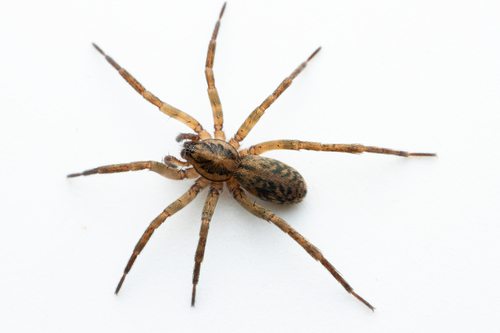
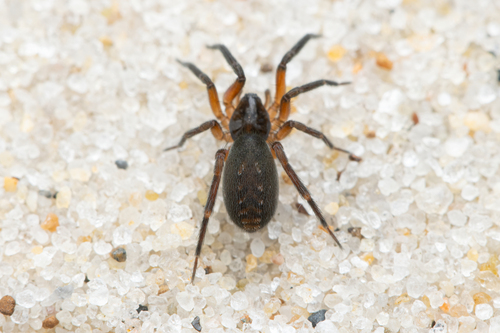
The Golden Lantern-spider (Agroeca cuprea) is a small ground-dwelling spider characterized by its distinctive coppery-golden metallic sheen that gives it its common name. This nocturnal hunter plays a crucial role in controlling small invertebrate populations in its ecosystem, actively pursuing prey rather than building webs.
The Golden Lantern-spider (Agroeca cuprea) faces severe population declines primarily due to habitat loss from agricultural intensification and urban development in its limited range. Climate change and pesticide use in agricultural areas further threaten the remaining populations of this specialized spider species.
Habitat
Golden Lantern-spiders inhabit areas with loose, well-drained soils beneath low vegetation, particularly favoring the edges of woodlands and scrublands where leaf litter accumulates. They construct silk-lined retreats in small crevices or under stones in areas that maintain consistent moisture levels but avoid waterlogged conditions.
Other threatened species in Liocranidae
Threatened in Austria
Frequently asked questions
Why is Golden Lantern-spider classified as Endangered?
Where does Golden Lantern-spider live?
What are the main threats to Golden Lantern-spider?
Get weekly conservation intelligence
One short digest a week of the most striking species and country data we ship, plus breaking conservation news paired with our database where it matters.
Free, no spam. One-click unsubscribe in every email.