Gold Tooth
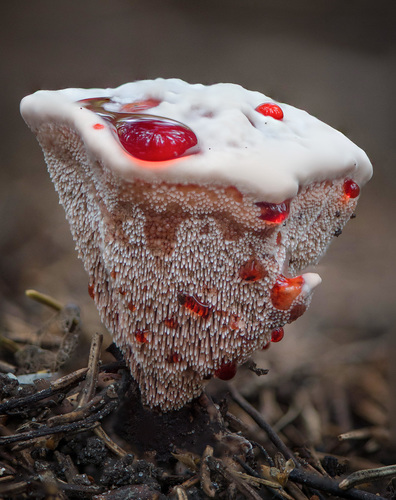
Hydnellum auratile
Overview
A detailed profile for this species is sourced from the IUCN Red List of Threatened Species as assessments become available.
The Gold Tooth fungus faces severe decline due to nitrogen pollution from agricultural runoff and atmospheric deposition, which fundamentally alters soil chemistry in its preferred habitats. Forest fragmentation and intensive logging practices have eliminated many of the mature coniferous stands this species requires for its complex mycorrhizal relationships. Climate change compounds these pressures by shifting precipitation patterns and temperature ranges beyond the species' ecological tolerance.
Habitat
Gold Tooth occurs in mature coniferous forests, particularly those dominated by spruce and pine, where it forms essential mycorrhizal partnerships with tree roots. The species requires undisturbed forest floors with specific soil chemistry conditions and is typically found in areas with minimal nitrogen pollution.
Other threatened species in Bankeraceae


Frequently asked questions
Why is Gold Tooth classified as Vulnerable?
Where does Gold Tooth live?
What are the main threats to Gold Tooth?
Get weekly conservation intelligence
One short digest a week of the most striking species and country data we ship, plus breaking conservation news paired with our database where it matters.
Free, no spam. One-click unsubscribe in every email.