Lepiota oreadiformis
Overview
A detailed profile for this species is sourced from the IUCN Red List of Threatened Species as assessments become available.
Glatter Schirmling faces significant pressure from habitat degradation as traditional grassland management practices decline across Central Europe. Agricultural intensification and the abandonment of extensive grazing systems have reduced the availability of nutrient-poor grasslands that this species requires. Urban development and recreational activities in remaining suitable habitats further fragment populations and disturb the delicate soil conditions necessary for fruiting body development.
Habitat
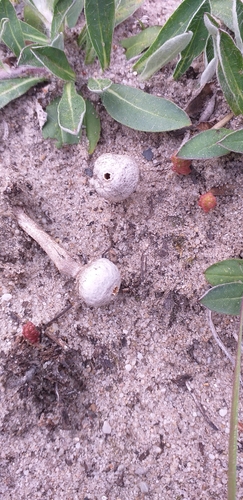
This grassland fungus inhabits nutrient-poor, calcareous grasslands and meadows, particularly those maintained by traditional extensive grazing or mowing practices. It forms mycorrhizal associations with grasses and herbs in well-drained, alkaline soils typical of chalk downs and limestone grasslands.
Other threatened species in Agaricaceae


Frequently asked questions
Why is Lepiota oreadiformis classified as Vulnerable?
Where does Lepiota oreadiformis live?
What are the main threats to Lepiota oreadiformis?
Get weekly conservation intelligence
One short digest a week of the most striking species and country data we ship, plus breaking conservation news paired with our database where it matters.
Free, no spam. One-click unsubscribe in every email.