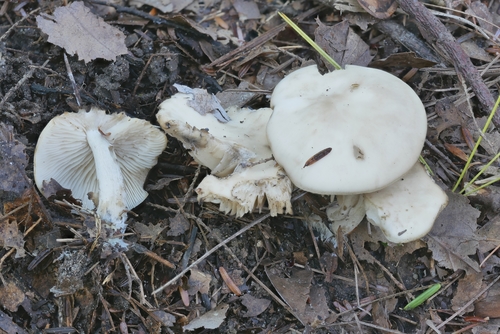
Lyophyllum aemiliae
Photo: Photo: no rights reserved, uploaded by Garrett Taylor
Overview
The Gilbender Rasling (Lyophyllum aemiliae) is a rare saprotrophic fungus characterized by its distinctive pale gray to silvery caps that develop characteristic bending or curving stems as they mature. This critically endangered species plays a vital ecological role in decomposing organic matter in its specialized habitat, contributing to nutrient cycling in fragile ecosystems.
The Gilbender Rasling faces severe threats from habitat destruction due to deforestation and urban development in its limited range. Climate change is altering the specific moisture and temperature conditions this fungus requires for fruiting and mycelial growth. Pollution from agricultural runoff and industrial activities is degrading the soil chemistry essential for this species' survival.
Habitat
Inhabits mature deciduous and mixed forests with rich, well-drained soils, typically growing in association with decaying organic matter and leaf litter at elevations between 200-800 meters. Requires specific soil pH conditions and consistent moisture levels found in undisturbed woodland ecosystems.
Other threatened species in Lyophyllaceae
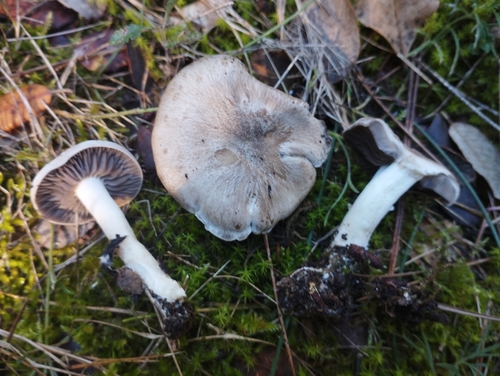
Threatened in Canada
Frequently asked questions
Why is Lyophyllum aemiliae classified as Critically Endangered?
Where does Lyophyllum aemiliae live?
What are the main threats to Lyophyllum aemiliae?
Get weekly conservation intelligence
One short digest a week of the most striking species and country data we ship, plus breaking conservation news paired with our database where it matters.
Free, no spam. One-click unsubscribe in every email.