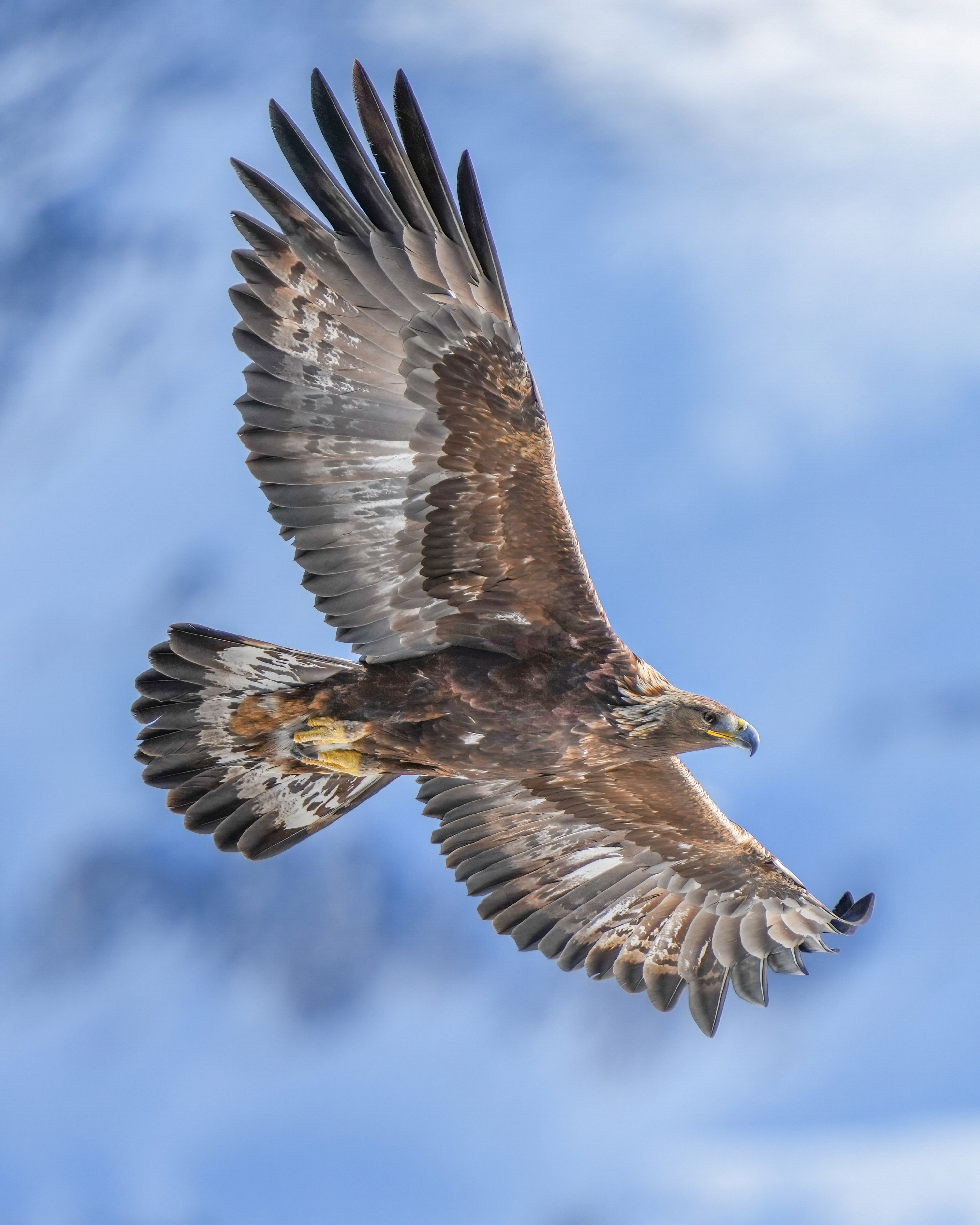
Golden Eagle
Aquila chrysaetos
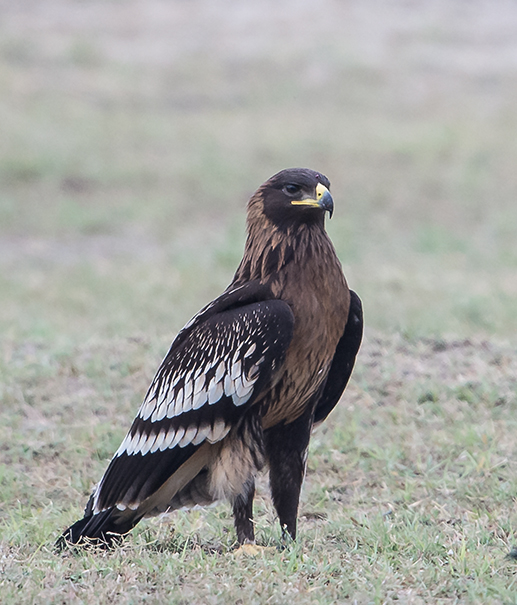
Photo: Wikimedia Commons (CC) via https://en.wikipedia.org/wiki/Golden_eagle
Overview
The Golden Eagle is one of the world's most widely distributed raptors, characterized by its distinctive golden-brown head feathers and dark brown plumage. With a wingspan reaching up to 2.3 meters and weighing 3-7 kilograms, these powerful predators hunt mammals ranging from rabbits to young deer, plus birds and reptiles. As apex predators, they play a crucial role in maintaining ecosystem balance by controlling prey populations and serving as indicators of environmental health.
Golden Eagles inhabit mountainous regions, open grasslands, scrublands, and tundra across the Northern Hemisphere. Their range spans from Scotland to Japan, throughout western North America, and extends into parts of North Africa and the Middle East. They prefer areas with minimal human disturbance, requiring large territories for hunting and suitable cliff faces or tall trees for nesting.
Despite their extensive range, Golden Eagles face significant pressures. Wind energy development poses collision risks, while habitat fragmentation from urban expansion and infrastructure development reduces available territory. Illegal persecution persists in some regions, particularly where livestock predation occurs. Lead poisoning from ammunition in carrion remains a concern, and climate change affects prey availability in certain areas.
Conservation efforts include habitat protection programs, collision mitigation measures at wind farms, and lead ammunition reduction initiatives. Several countries have implemented monitoring programs to track population trends and breeding success.
The species' current outlook varies regionally. While some populations remain stable, others show concerning declines, contributing to the overall Critically Endangered status. Long-term survival depends on continued habitat conservation and addressing human-wildlife conflicts.
Golden Eagles face significant population declines primarily due to habitat loss from human development, collisions with wind turbines and power lines, and persecution through shooting and poisoning. Climate change is also altering prey availability and suitable nesting habitat across their range.
Habitat
Other threatened species in Accipitridae
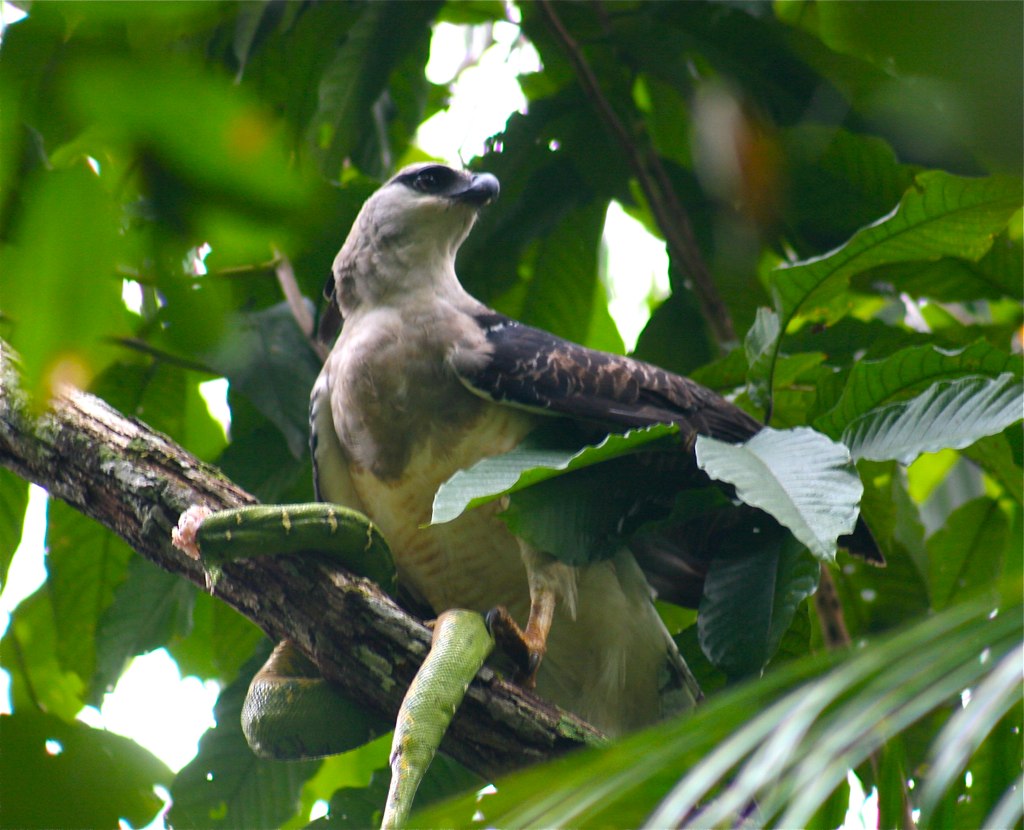
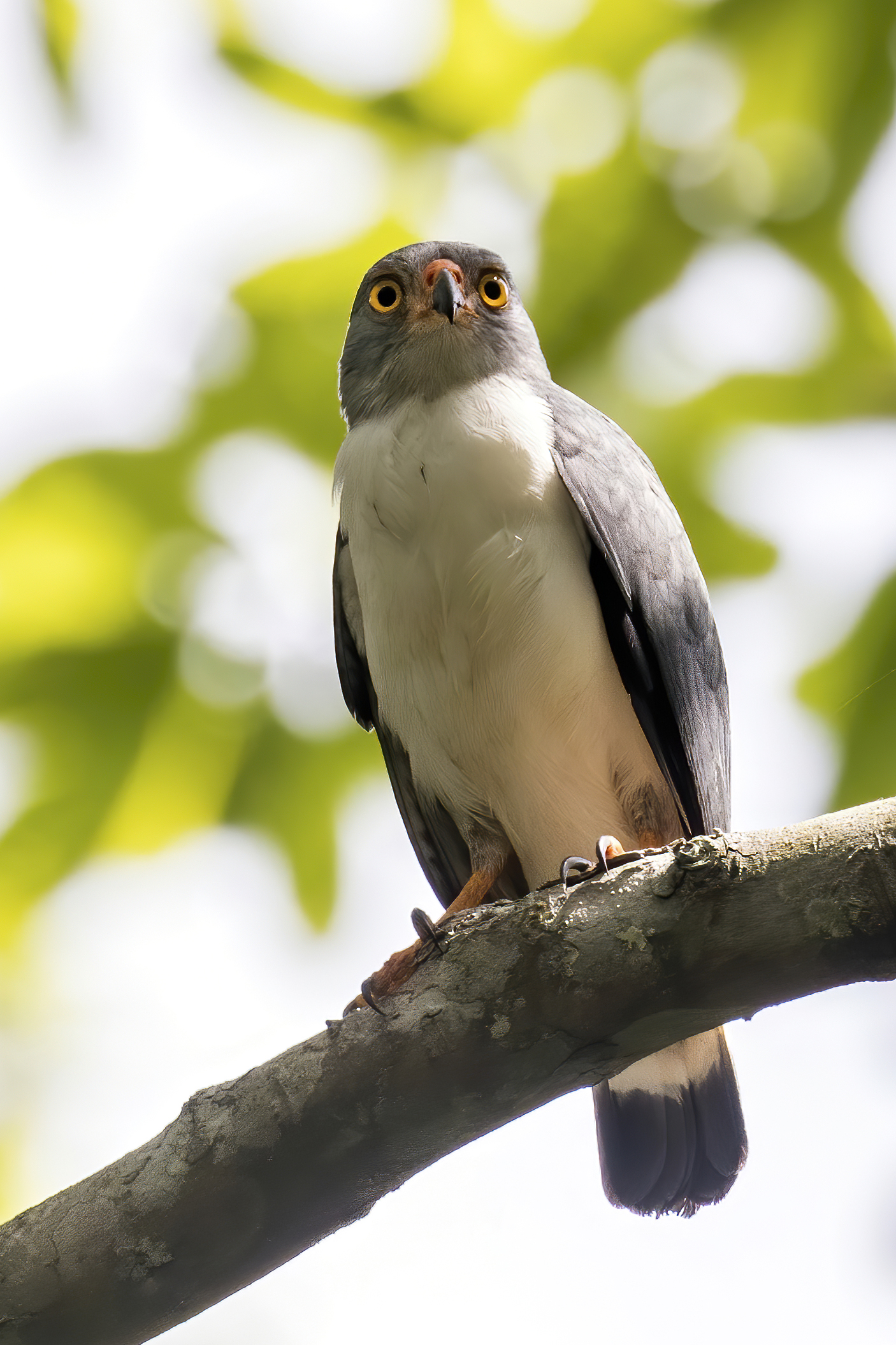
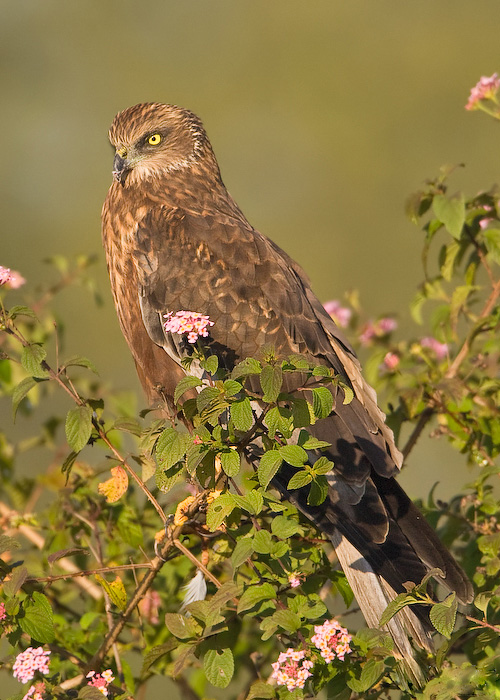
Threatened in Afghanistan


Frequently asked questions
Why is Golden Eagle classified as Critically Endangered?
Where does Golden Eagle live?
What are the main threats to Golden Eagle?
Get weekly conservation intelligence
One short digest a week of the most striking species and country data we ship, plus breaking conservation news paired with our database where it matters.
Free, no spam. One-click unsubscribe in every email.