Species Explorer
Browse and search species from the IUCN Red List and GBIF.
54,666 species

Gassy Webcap
VUCortinarius traganus
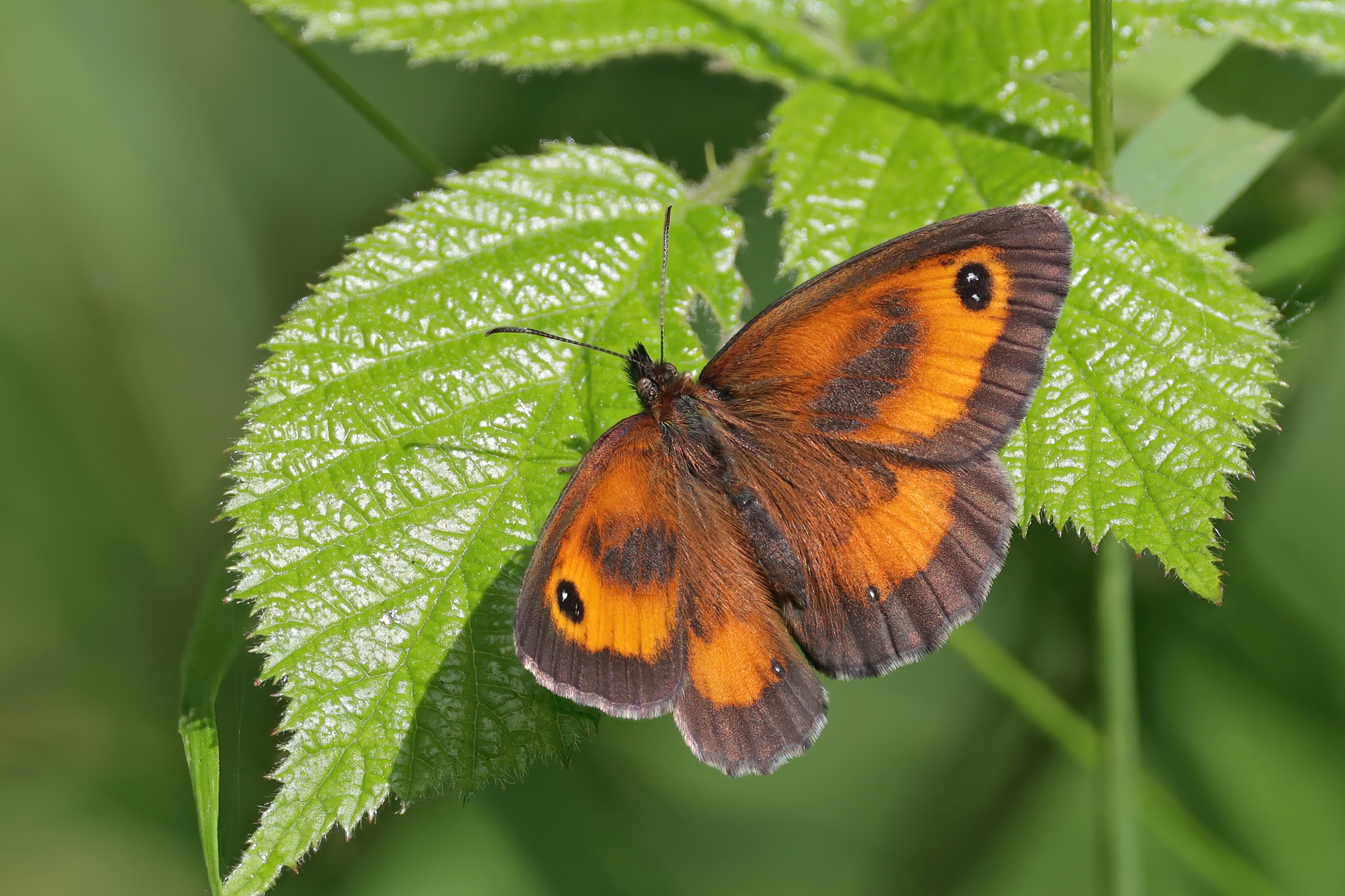
Gatekeeper
CRPyronia tithonus
The Gatekeeper butterfly is experiencing severe population declines primarily due to habitat loss and fragmentation of grassland ecosystems. Agricultural intensification, urbanization, and changes in land management practices have eliminated much of the species' preferred habitat of flower-rich grasslands and woodland edges. Climate change is also affecting the species' distribution and the availability of its host plants and nectar sources.

gedeukte sapzweefvlieg
VUBrachyopa bicolor

geel schorrenpriempje
CRBembidion ephippium
Bembidion ephippium is critically endangered due to severe habitat loss and degradation of its specialized salt marsh environments. The species is restricted to a very limited range of coastal saline habitats that are increasingly threatened by sea level rise, coastal development, and changes in water management practices.

geel speldenkussentje
ENPertusaria flavida
Pertusaria flavida, a crustose lichen species, faces severe decline primarily due to air pollution and habitat degradation. The species is highly sensitive to atmospheric pollutants, particularly sulfur dioxide and nitrogen compounds, which alter the chemical composition of its substrate and disrupt its symbiotic relationship with photosynthetic algae.

geelberijpt boomspijkertje
VUCalicium adspersum
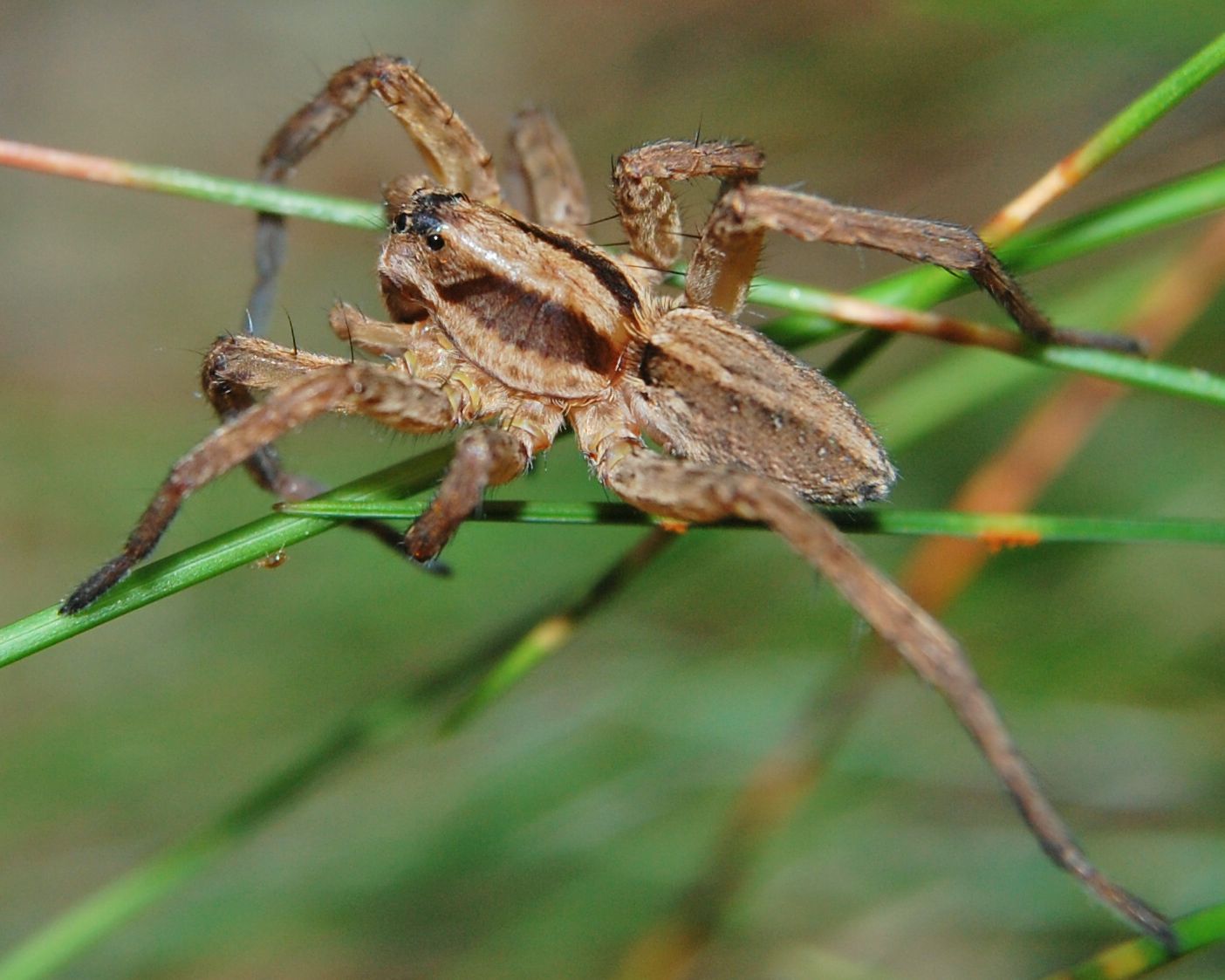
geelborstpanterspin
CRAlopecosa trabalis
Alopecosa trabalis, the geelborstpanterspin, faces severe population decline primarily due to habitat loss from agricultural intensification and urban development in its limited range. The species' specialized habitat requirements and small population size make it extremely vulnerable to environmental changes and human disturbance.

geelbuikplatbek
ENPipiza festiva
Pipiza festiva, a hoverfly species, faces significant population declines primarily due to habitat loss and degradation of its specialized woodland environments. Agricultural intensification and urbanization have reduced the availability of suitable breeding sites and nectar sources essential for this species' survival.
geelplaatstaalsteeltje
ENEntoloma xanthochroum
Entoloma xanthochroum faces severe decline due to habitat loss from agricultural intensification and urban development in its limited European range. The species is particularly vulnerable to changes in soil chemistry and grassland management practices that alter the delicate ecological conditions required for fruiting body formation.

geelpootgitje
VUCheilosia flavipes

Geelpootspeldenknopje
VUPachygaster leachii

geelvlekjachtkogelspin
VUEuryopis flavomaculata
Gefleckter Samtschneckling
CRCamarophyllopsis phaeophylla
Camarophyllopsis phaeophylla, a rare grassland fungus, faces severe decline due to habitat loss from agricultural intensification and changes in traditional land management practices. The species depends on nutrient-poor grasslands that are increasingly converted to intensive agriculture or abandoned, leading to habitat degradation through nutrient enrichment and succession to scrubland.
Gegabeltes Sichelspinnchen
VUTrichoncus saxicola

gegolfde beekkever
ENAgabus undulatus
The gegolfde beekkever (Agabus undulatus) is declining primarily due to habitat degradation and loss of clean, flowing water systems. Water pollution from agricultural runoff, urban development, and industrial activities has severely impacted the quality of streams and small rivers where this aquatic beetle depends for survival.
geitvedblomstsuger
VUCacopsylla rhamnicola
Gelbflockiger Schleimkopf
VUCortinarius nanceiensis
Gelbgefleckter Prachtkäfer
CRAcmaeodera degener
The Gelbgefleckter Prachtkäfer (Acmaeodera degener) is critically endangered primarily due to habitat loss and degradation of its specialized dry grassland and steppe environments. The species has an extremely limited range and small population size, making it highly vulnerable to environmental changes and human activities that fragment or destroy its remaining habitat.
gele stekelkorstzwam
VUMycoacia uda
geléskorpa
VUChroothece rupestris
Gelobd dambordje
VULobothallia radiosa

gemarmerde galgspin
VUDipoena melanogaster
Gemarmerde gordijnzwam
CRCortinarius chevassutii
Cortinarius chevassutii faces severe threats primarily from habitat loss and degradation of its specialized forest ecosystems. As a mycorrhizal fungus dependent on specific host trees, it is particularly vulnerable to deforestation, forest fragmentation, and changes in forest management practices that alter the delicate soil chemistry and microhabitat conditions required for its survival.

Genêt d'Allemagne
CRGenista germanica
Genista germanica (German Greenweed) faces severe population decline primarily due to habitat loss and degradation of its specialized heathland and grassland ecosystems. Agricultural intensification, urban development, and changes in traditional land management practices have eliminated much of its suitable habitat across its European range.
geno
CRLonchocarpus glaucifolius
Lonchocarpus glaucifolius faces severe threats primarily from habitat destruction and fragmentation due to agricultural expansion and urban development in its limited range. The species has an extremely restricted distribution, making it highly vulnerable to localized threats and environmental changes.
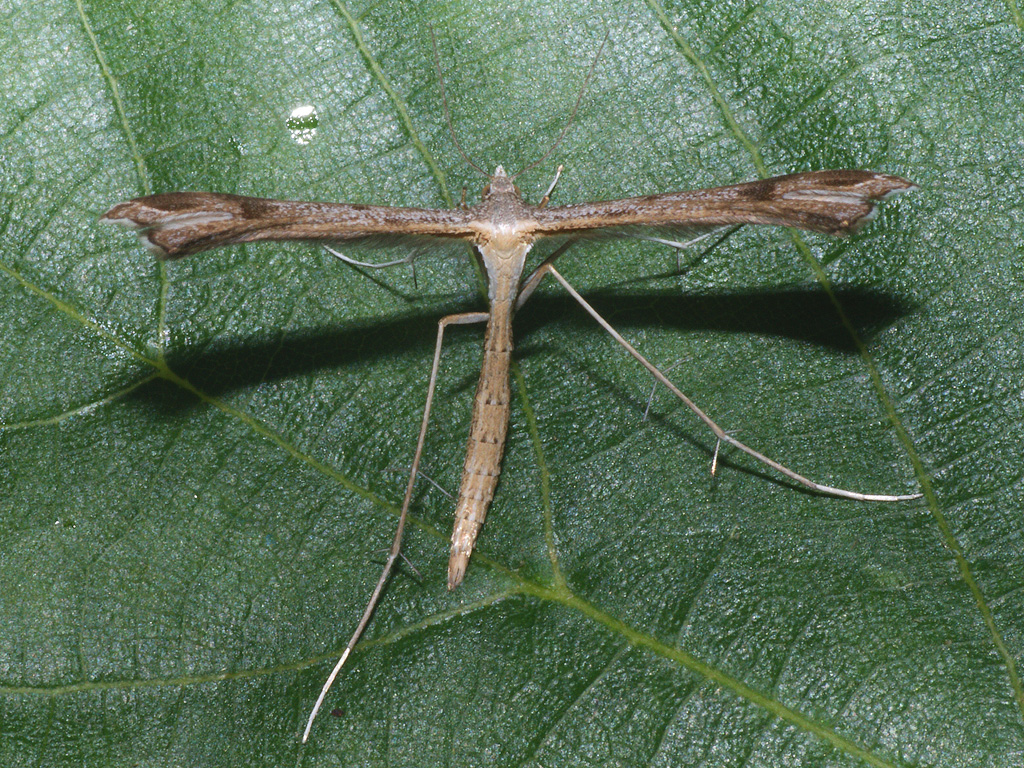
Gentian Plume
CRStenoptilia pneumonanthes
The Gentian Plume moth is critically endangered primarily due to habitat loss and degradation of its specialized wetland environments where its host plant, marsh gentian, grows. The species faces severe population decline from drainage of fens and marshes, agricultural intensification, and changes in traditional land management practices that maintained suitable habitat conditions.

Geoffroy's Bat
VUMyotis emarginatus
Géophile carpophage
VUGeophilus carpophagus

Geranio palustre
ENGeranium palustre
Geranium palustre faces severe decline primarily due to habitat loss and degradation of wetland ecosystems through agricultural intensification, drainage, and urban development. The species' specialized requirements for marshy and wet meadow habitats make it particularly vulnerable to hydrological changes and land use conversion.

Geranium Argus
VUEumedonia eumedon
Géranium laineux
ENGeranium lanuginosum
Geranium lanuginosum faces severe population decline primarily due to habitat destruction from agricultural expansion and urban development in its limited Mediterranean range. The species' restricted distribution makes it particularly vulnerable to localized threats, while climate change poses additional pressure through altered precipitation patterns and increased drought frequency.
Geriefter Schwefelkopf
ENHypholoma ericaeoides
Hypholoma ericaeoides faces severe decline due to habitat loss from urban development and agricultural conversion of its specialized heathland ecosystems. Climate change and nitrogen deposition are altering the acidic soil chemistry and plant communities this fungus depends on for survival.
Gerieftrandiger Haar-Rötling
VUEntoloma dysthales

Germany small dung beetle
CRRhyssemus germanus
The Germany small dung beetle faces severe population decline primarily due to habitat loss and degradation of its specialized sandy coastal and inland dune ecosystems. Modern agricultural practices, coastal development, and the loss of traditional grazing systems that maintain open sandy habitats have drastically reduced suitable breeding and foraging areas for this highly specialized species.
Gespikkelde halsbandwants
ENDeraeocoris punctulatus
Deraeocoris punctulatus faces severe population declines primarily due to habitat loss and degradation of its specialized coastal and heathland environments. Agricultural intensification, urban development, and changes in land management practices have significantly reduced the availability of suitable host plants and microhabitats required by this specialized predatory bug.
Gespikkelde wolzwever
ENBombylius medius
Bombylius medius faces severe population declines primarily due to habitat loss from agricultural intensification and urban development across its European range. The species is particularly vulnerable to changes in land use that eliminate the flower-rich grasslands and woodland edges it depends on for nectar sources and suitable breeding sites.

gestekelde eenstreepdansvlieg
VUEmpis aemula
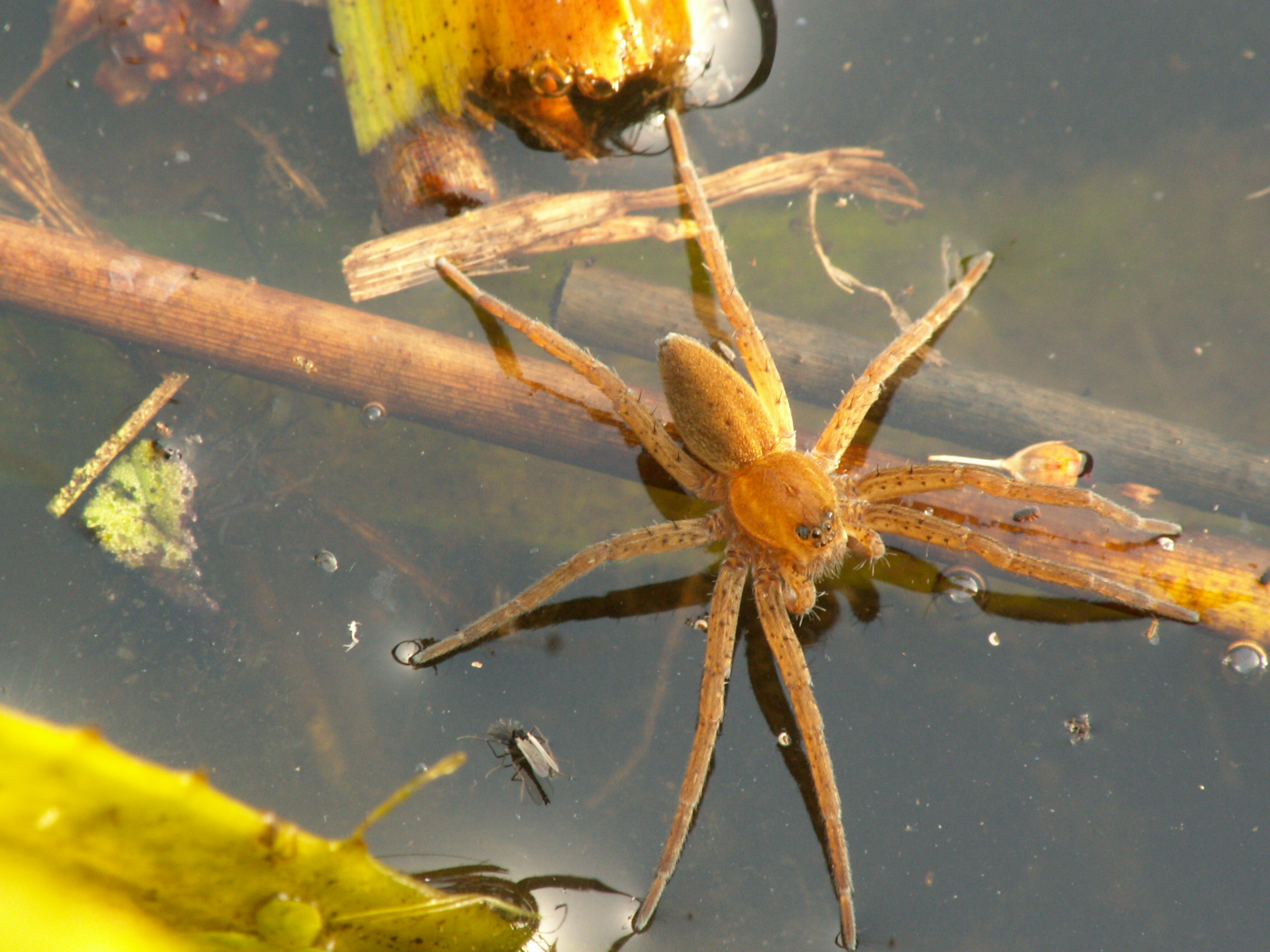
gestekelde nachtwolfspin
VUTrochosa spinipalpis

gevlekt kalkkrieltje
ENParagus albifrons
Paragus albifrons, a hoverfly species, faces severe population declines primarily due to habitat loss and degradation of its specialized wetland environments. Agricultural intensification and urban development have significantly reduced the availability of suitable breeding and foraging sites. Climate change and pollution further compound these pressures on remaining populations.
gevlekte bollenzweefvlieg
VUEumerus flavitarsis

gevlekte steatoda
VUSteatoda albomaculata
Gewöhnliches Sumpfspinnchen
ENGlyphesis servulus
This endangered species faces severe pressure from wetland drainage and agricultural conversion of its marsh habitats. Climate change-induced alterations to water levels and seasonal flooding patterns further threaten the specific hydrological conditions this species requires for survival and reproduction.

gewone drentelmier
VUStenamma debile

gewone fluweelzweefvlieg
VUParhelophilus versicolor
gewone klokjesglansbij
ENDufourea dentiventris
The gewone klokjesglansbij (Dufourea dentiventris) is declining primarily due to habitat loss and fragmentation caused by agricultural intensification and urban development. The species' specialized nesting requirements and dependence on specific flowering plants make it particularly vulnerable to landscape changes and the loss of semi-natural habitats.
gewone vlinderdoder
CRLestica subterranea
Lestica subterranea faces severe population declines due to habitat destruction from agricultural expansion and urban development across its limited range. The species' specialized underground nesting requirements make it particularly vulnerable to soil disturbance and changes in prey availability caused by intensive land use practices.
gewoon haarschubje
VUAgonimia tristicula

Ghost Orchid
VUEpipogium aphyllum

Giant Canoe-Bubble
ENScaphander punctostriatus
The Giant Canoe-Bubble faces significant population declines primarily due to habitat degradation from coastal development, pollution, and climate change impacts on marine ecosystems. Bottom trawling and dredging activities destroy the soft sediment habitats essential for this species' survival and reproduction.
Giant Furrow Bee
CRHalictus quadricinctus
The Giant Furrow Bee faces severe population declines primarily due to habitat loss from agricultural intensification and urban development, which has eliminated much of its specialized nesting and foraging habitat. Climate change and the widespread use of pesticides have further compromised remaining populations by reducing food sources and directly impacting bee survival and reproduction.