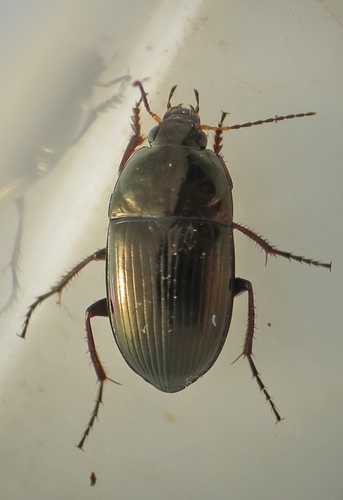
Amara nitida
Photo: Photo: (c) jesorg, all rights reserved
Overview
Glinsende ovalløber (Amara nitida) is a small, metallic-sheen ground beetle characterized by its distinctive oval-shaped body and glossy dark coloration. This predatory beetle plays a crucial role in soil ecosystems by controlling populations of small invertebrates and contributing to nutrient cycling through its feeding activities.
Amara nitida, a ground beetle species, faces severe population declines primarily due to habitat loss and degradation of its specialized coastal and sandy environments. Agricultural intensification, urban development, and changes in land management practices have significantly reduced the availability of suitable breeding and foraging habitats. Climate change and coastal erosion further threaten the remaining populations of this critically endangered species.
Habitat
This beetle inhabits sandy soils along riverbanks and coastal dunes, particularly in areas with sparse vegetation and well-drained substrates. It requires specific moisture gradients found in transitional zones between wet and dry sandy environments.
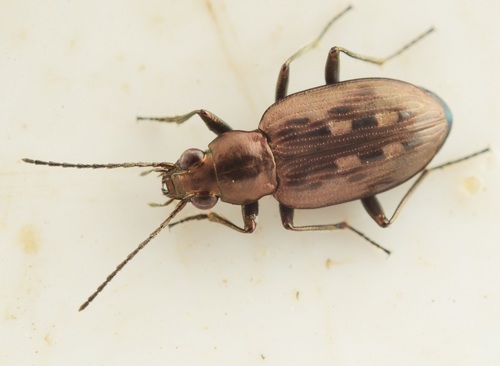
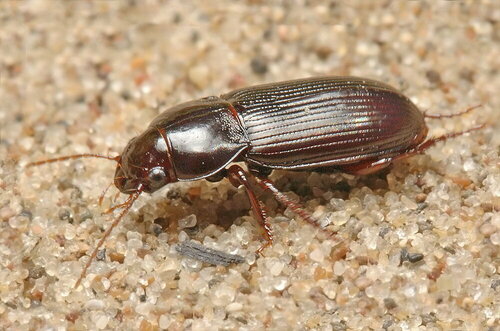
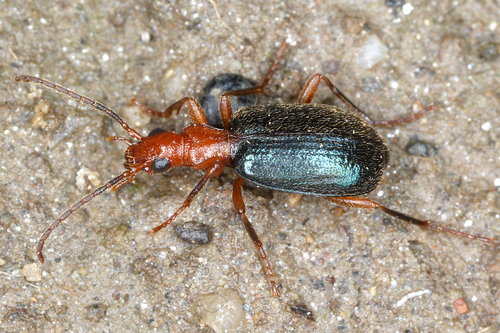
Other threatened species in Carabidae

Frequently asked questions
Why is Amara nitida classified as Critically Endangered?
Where does Amara nitida live?
What are the main threats to Amara nitida?
Get weekly conservation intelligence
One short digest a week of the most striking species and country data we ship, plus breaking conservation news paired with our database where it matters.
Free, no spam. One-click unsubscribe in every email.