Species Explorer
Browse and search species from the IUCN Red List and GBIF.
54,666 species
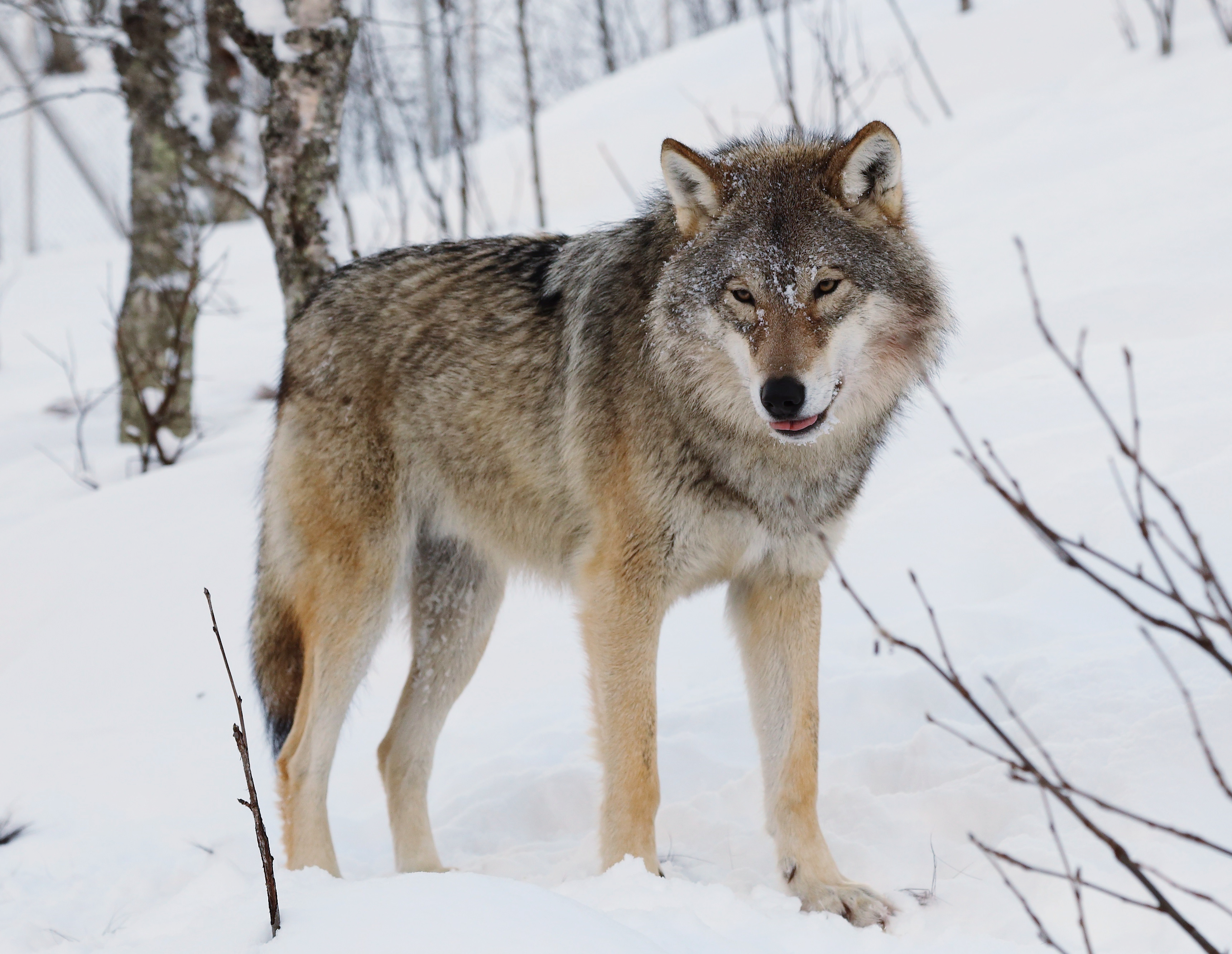
Wolf
CRCanis lupus
The wolf faces severe population declines due to extensive habitat fragmentation, human-wildlife conflict, and systematic persecution across much of its historical range. Livestock predation leads to retaliatory killings, while expanding human development continues to reduce and fragment suitable wilderness areas. Conservation status may vary by region or assessment authority, but multiple threats continue to impact wolf populations globally.
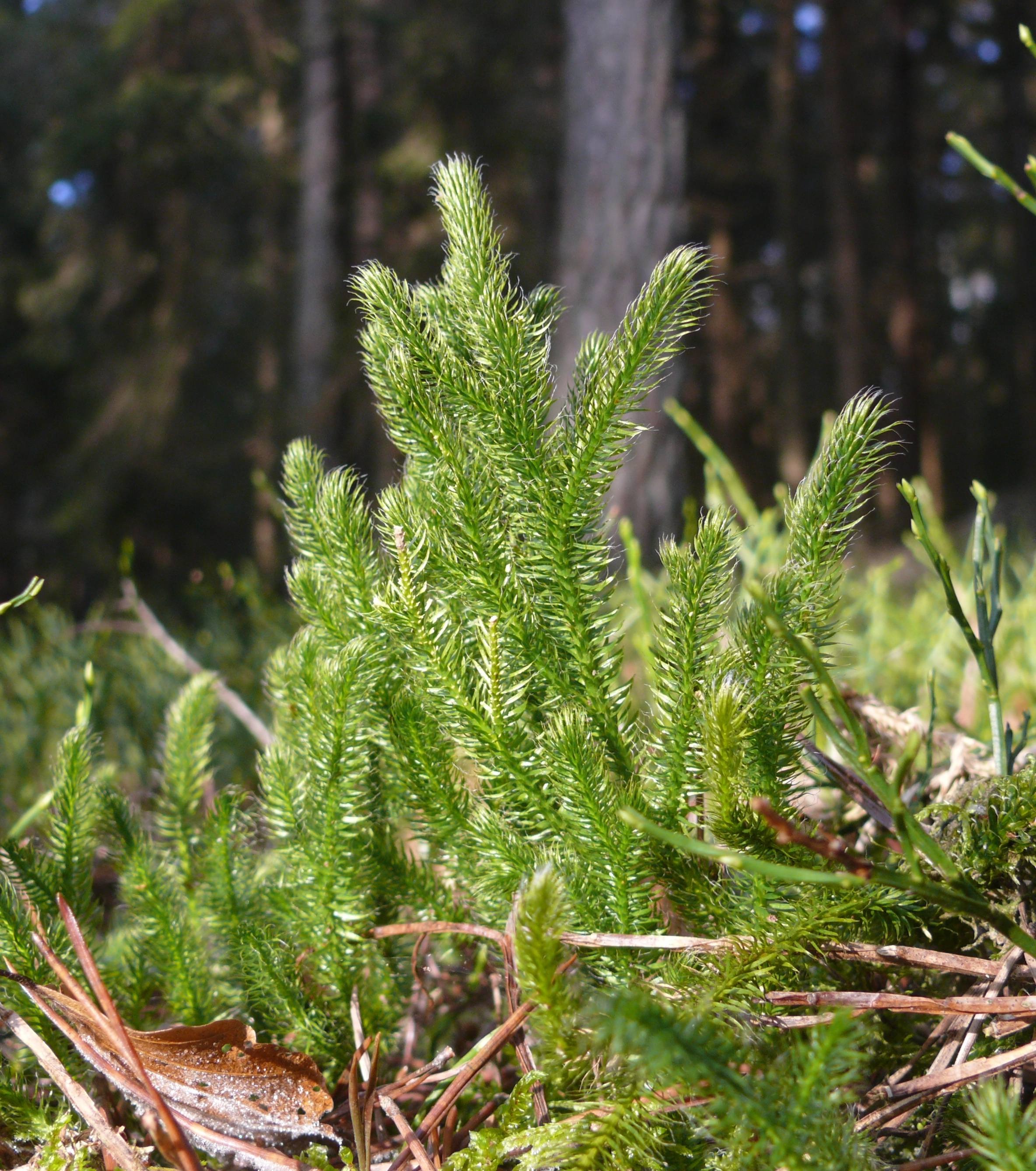
Wolf's-claw Clubmoss
ENLycopodium clavatum

wonder coral
VUCatalaphyllia jardinei
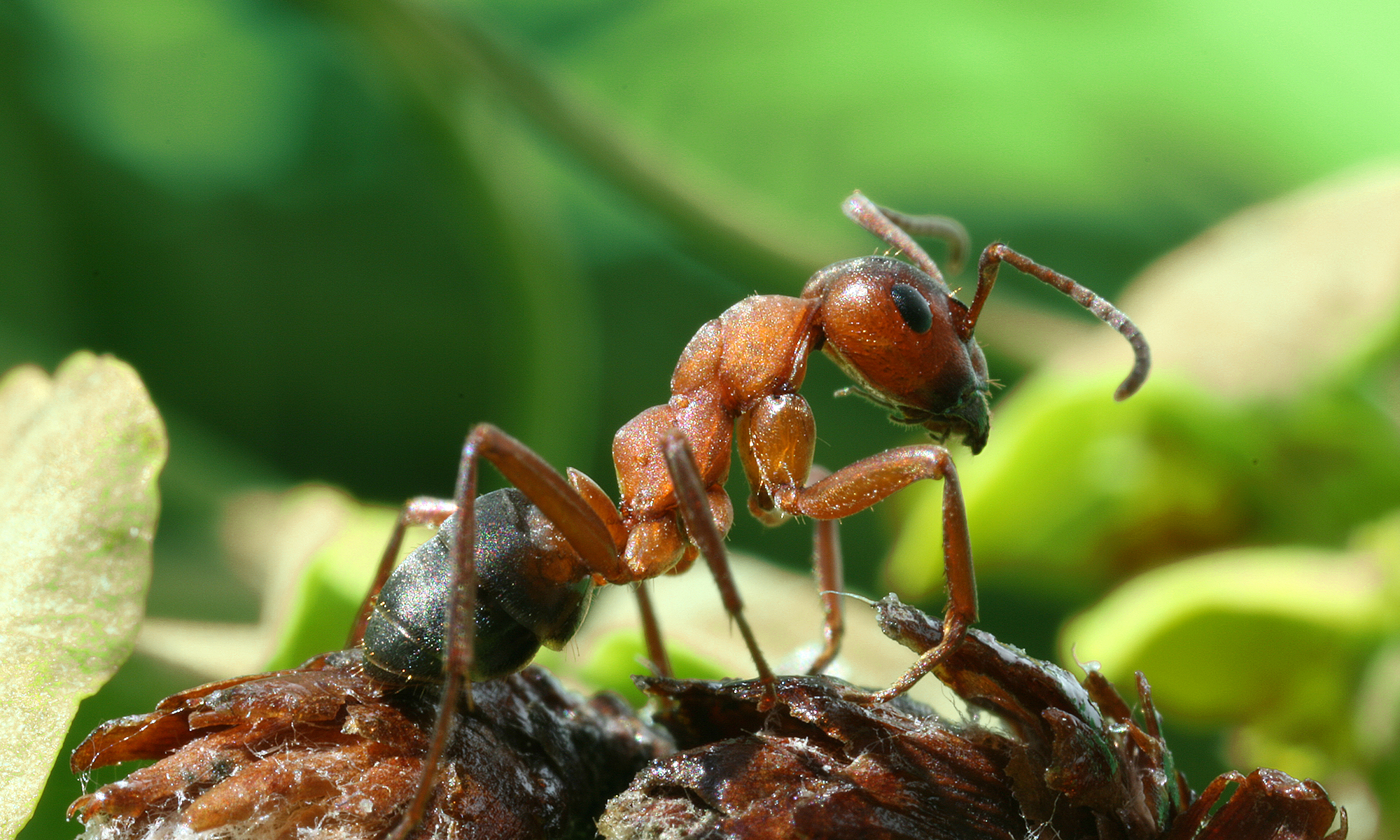
Wood Ant
VUFormica rufa
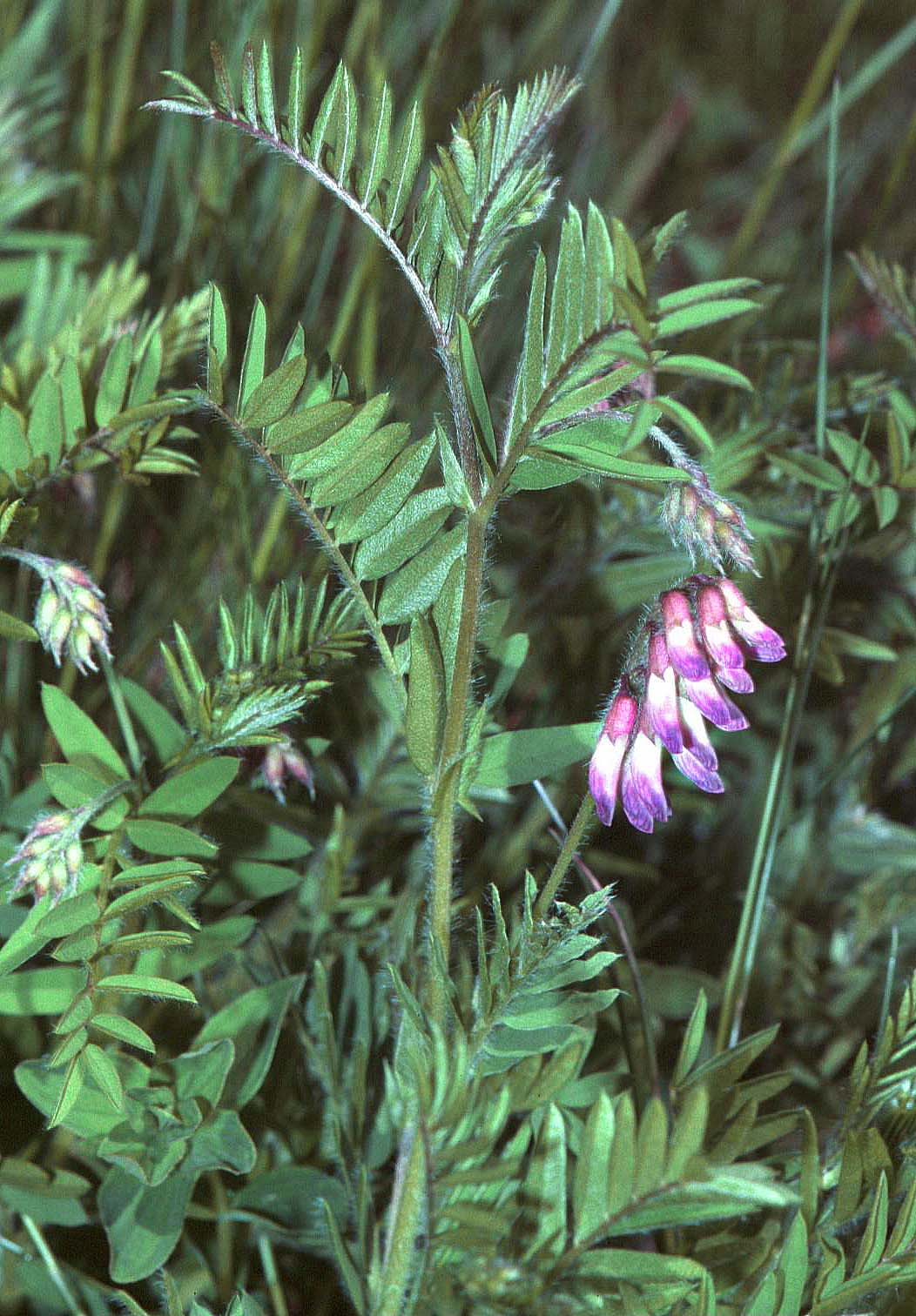
Wood Bitter-vetch
ENVicia orobus
Wood Bramble
ENRubus silvaticus

Wood Dock
CRRumex sanguineus
Wood Dock faces severe population declines due to habitat destruction from agricultural expansion and urban development, which eliminates the moist woodland edges and disturbed soils it requires. Invasive plant species competition and changes in land management practices that reduce suitable microhabitats further threaten remaining populations.
Wood Fingerwort
CRKurzia sylvatica
Wood Fingerwort faces severe population declines due to widespread habitat destruction from deforestation and agricultural conversion of its specialized woodland environments. The species' limited dispersal ability and dependence on specific soil conditions make it particularly vulnerable to fragmentation, while climate change is altering the moisture and temperature regimes essential for its survival.
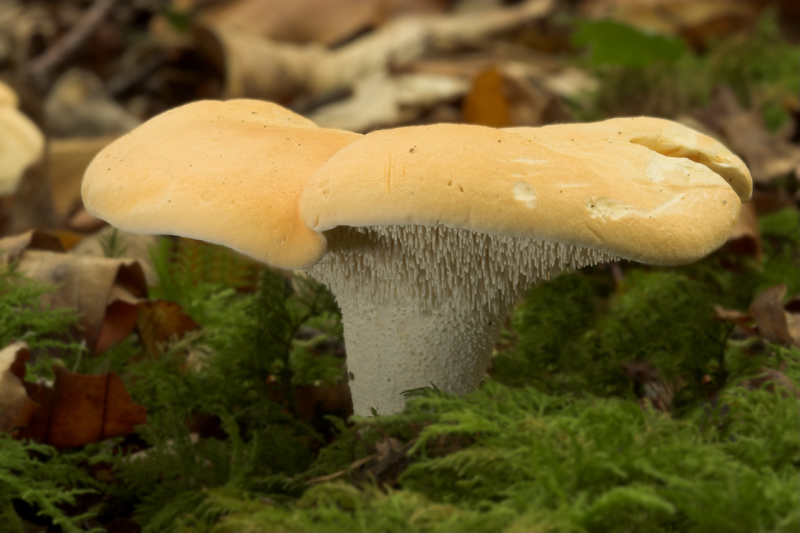
Wood Hedgehog
VUHydnum repandum
Habitat fragmentation and intensive forestry practices threaten Wood Hedgehog populations by disrupting the mature forest ecosystems and mycorrhizal networks essential for their survival. Climate change and soil degradation further compound these pressures, affecting the delicate balance between the fungus and its host trees.
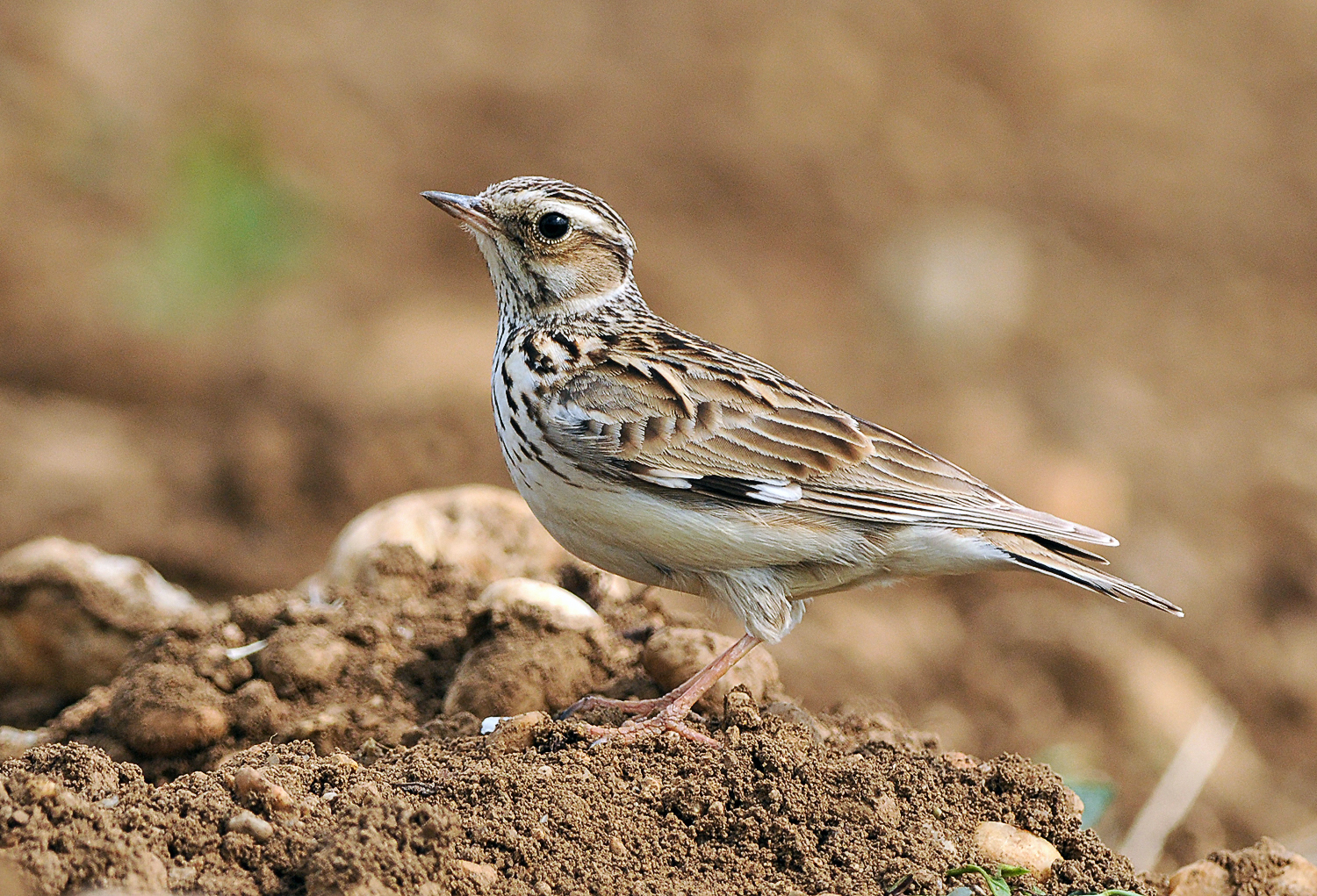
Wood Lark
VULullula arborea

Wood Sage Plume
ENCapperia britanniodactylus

Wood Sandpiper
ENTringa glareola

Wood Sprite Gracile Mouse Opossum
ENGracilinanus dryas
Wood Tiger Beetle
CRCicindela sylvatica
The Wood Tiger Beetle faces severe population declines due to habitat loss and fragmentation of its specialized sandy woodland environments. Climate change and human development pressures have significantly reduced the availability of suitable open sandy areas within forest ecosystems that this species requires for survival.
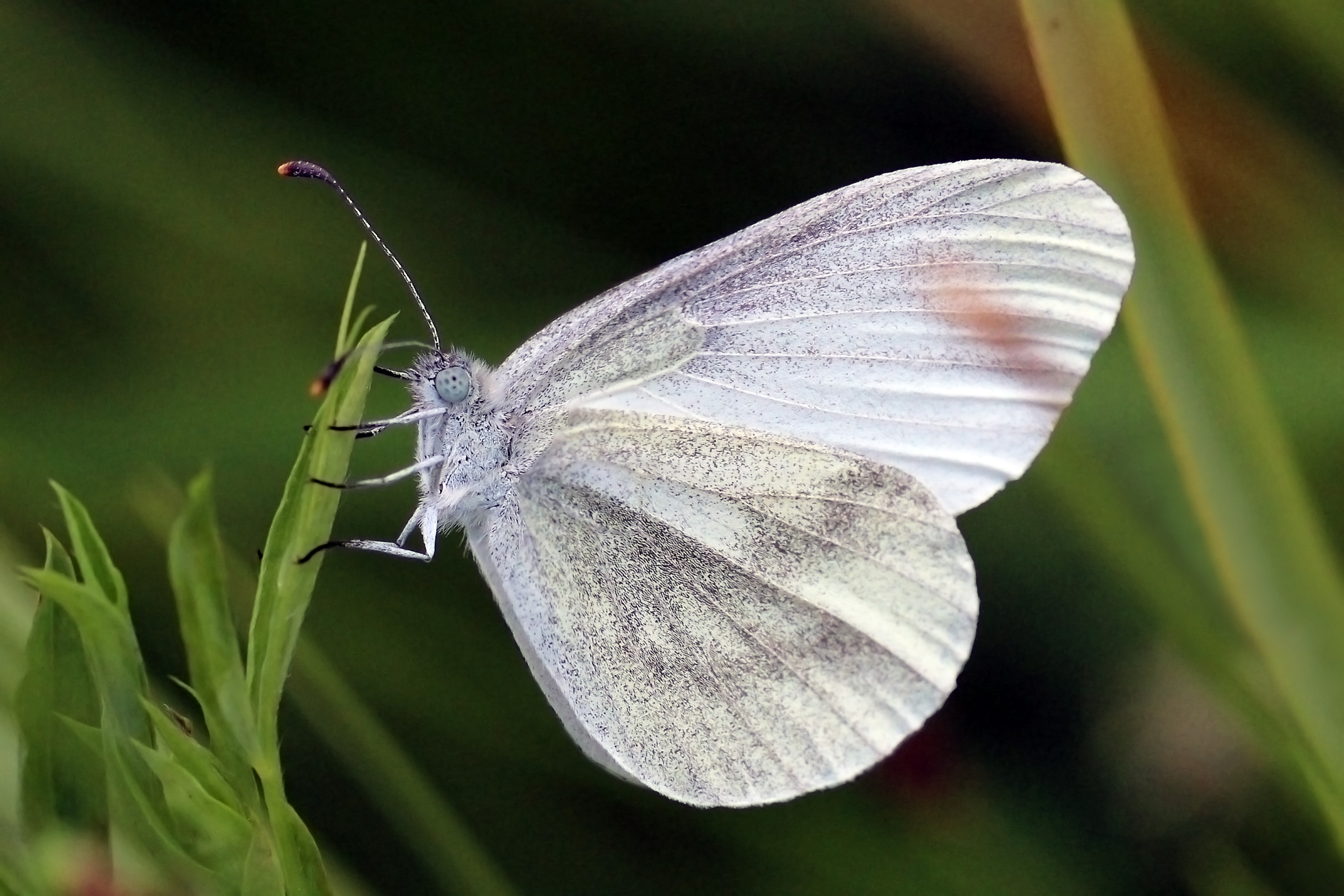
Wood White
CRLeptidea sinapis
The Wood White faces severe population declines across its range due to habitat loss and fragmentation of its specialized woodland environments. Climate change and intensive land management practices have further reduced the availability of suitable breeding sites and larval host plants, pushing this delicate butterfly species toward extinction.
Wood-Boring Weevil
CRDryophthorus corticalis
The Wood-Boring Weevil faces primary threats from habitat loss due to deforestation and forest fragmentation, which reduces the availability of mature forest ecosystems it requires. Intensive forest management practices that remove dead wood eliminate the specific microhabitats necessary for the species' survival and reproduction.

Woodland Grasshopper
ENOmocestus rufipes

Woodland Grayling
VUHipparchia fagi
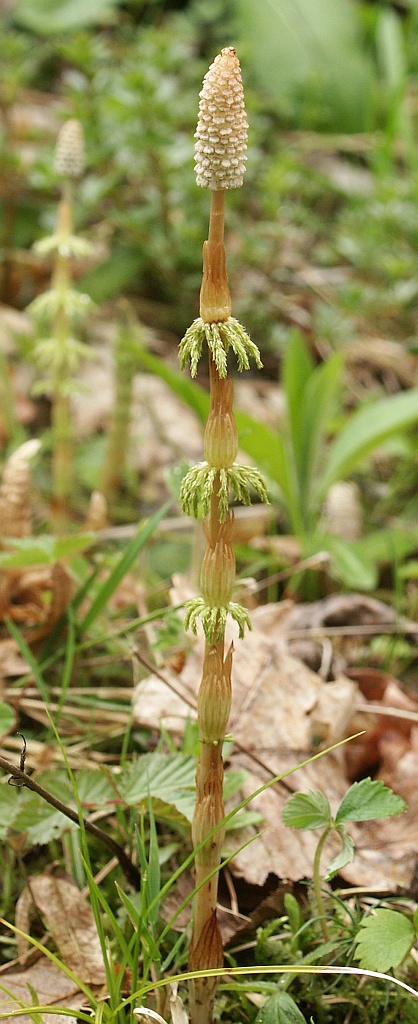
Woodland Horsetail
VUEquisetum sylvaticum
![Woodlouse Spider [Dysdera erythrina]](https://upload.wikimedia.org/wikipedia/commons/3/38/Dysdera_fg03.jpg)
Woodlouse Spider [Dysdera erythrina]
ENDysdera erythrina

Woodnymph
ENMoneses uniflora

Woodpecker Finch
VUCamarhynchus pallidus

Woods Valerian
VUValeriana dioica

woods whitlow-grass
VUDraba nemorosa

Woodwaxen
CRGenista tinctoria
Woodwaxen faces severe population declines due to habitat loss from agricultural intensification and urban development, which has eliminated much of its traditional grassland habitat. The species is further threatened by changes in land management practices, particularly the cessation of traditional grazing and mowing regimes that maintained the open conditions it requires.
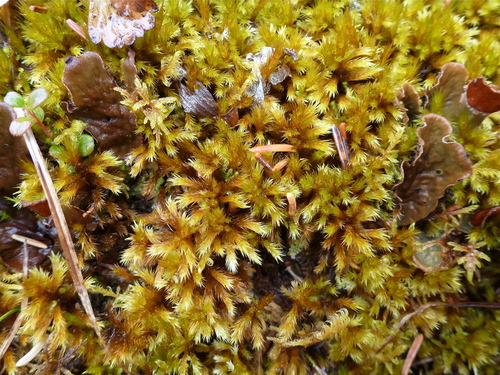
Woolly Feather-moss
CRTomentypnum nitens
Woolly Feather-moss faces severe threats from habitat degradation and climate change impacts on its specialized wetland environments. The species is particularly vulnerable due to its dependence on specific hydrological conditions and water chemistry, which are increasingly disrupted by human activities and changing precipitation patterns.

Woolly Fringe-moss
CRRacomitrium lanuginosum
Woolly Fringe-moss faces severe threats from climate change, particularly warming temperatures and altered precipitation patterns that disrupt the cool, moist conditions essential for its survival. Air pollution, including nitrogen deposition and acid rain, significantly degrades the oligotrophic environments this species requires, while habitat fragmentation from human development isolates populations and reduces genetic diversity.
Woolly Rosette
ENCotylidia pannosa
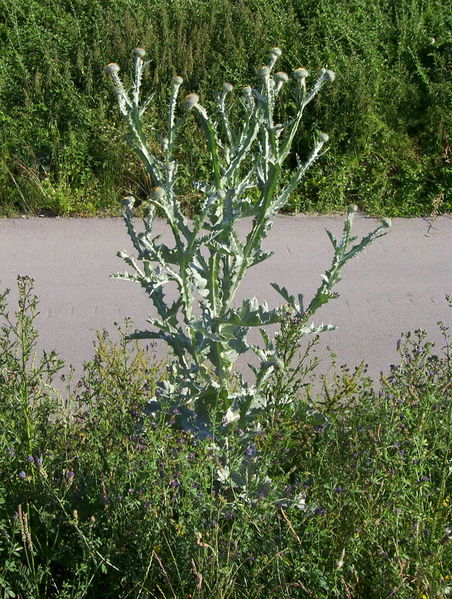
Woolly Thistle
ENOnopordum acanthium

Woolly Tooth
VUPhellodon tomentosus

Woolly Webcap
VUCortinarius laniger

Woollywort
VUTrichocolea tomentella

Worcester Crest
ENDichomeris ustalella

Wormwood Knot-horn
ENEuzophera cinerosella

woudkrabspin
VUXysticus luctuosus
Woylie
CRBettongia penicillata
The Woylie faces severe population declines primarily due to predation by introduced foxes and feral cats, which have devastated populations across much of their former range. Habitat fragmentation from agricultural clearing and urban development has further reduced available territory, while disease outbreaks have caused additional mortality in remaining populations.
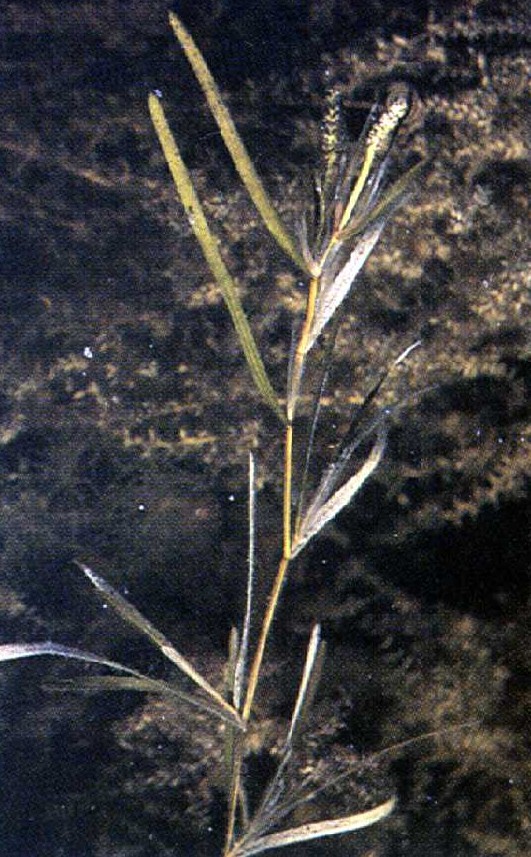
Wrack-like Pondweed
CRPotamogeton compressus
Wrack-like Pondweed faces severe population declines due to widespread habitat destruction and degradation of freshwater ecosystems. Eutrophication from agricultural runoff and urban development has dramatically altered water chemistry in many of its remaining habitats, while drainage of wetlands for agriculture and development has eliminated numerous historical populations.
wrattige tandpastakorst
VUOchrolechia subviridis
Wright's catkin mistletoe
VUAntidaphne wrightii
Wright's laurel canelon
VUOcotea wrightii
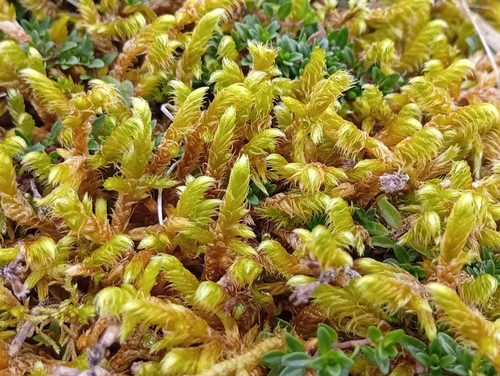
Wrinkle-leaved Moss
CRRhytidium rugosum
Wrinkle-leaved Moss faces severe threats from climate change, particularly warming temperatures and altered precipitation patterns that disrupt the cool, moist conditions essential for its survival. Habitat degradation from human activities, air pollution, and increased UV radiation due to ozone depletion further compromise this sensitive species' ability to persist in its specialized environments.

Wrinkle-seed Pygmyweed
CRCrassula aquatica
Wrinkle-seed Pygmyweed faces severe threats from habitat loss due to wetland drainage, agricultural conversion, and urban development of its specialized aquatic environments. Climate change and altered hydrological patterns further threaten the ephemeral pools and shallow water bodies this species depends upon for survival.

Wrinkled Peach
ENRhodotus palmatus

Wrinkled slime star
VUPteraster militaris

Wulf's Sphagnum
VUSphagnum wulfianum
Wulstiger Lackporling
VUGanoderma adspersum
Würfelsporiger Glöckling
VUEntoloma rhombisporum

Wurrup
VULagorchestes hirsutus

Wych Elm
CRUlmus glabra
Wych Elm faces severe population declines primarily due to Dutch elm disease, a devastating fungal infection spread by elm bark beetles that has decimated elm populations across Europe and North America. Habitat fragmentation, climate change impacts, and limited genetic diversity in remaining populations further threaten the species' long-term survival.
xerophytic limestone moss
VUOrthotrichum pellucidum