
Woodland Grayling
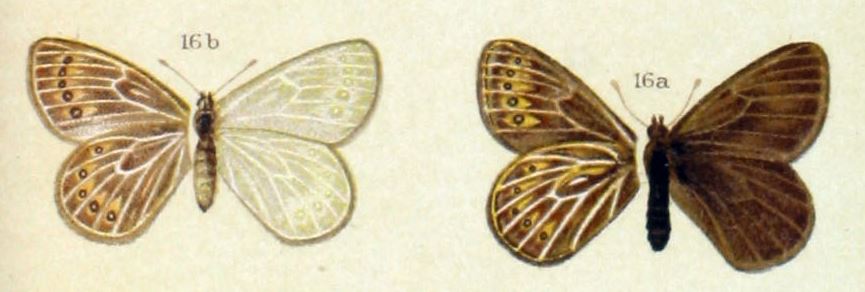
Hipparchia fagi
Photo: Wikimedia Commons (CC) via https://en.wikipedia.org/wiki/Hipparchia_fagi
Overview
A detailed profile for this species is sourced from the IUCN Red List of Threatened Species as assessments become available.
The Woodland Grayling faces severe population declines across its European range due to intensive forest management practices that eliminate the open woodland structure it requires. Climate change compounds these pressures by altering the delicate microhabitat conditions needed for larval development, while habitat fragmentation isolates remaining populations and reduces genetic diversity. Urban expansion and agricultural intensification continue to reduce suitable woodland areas, particularly affecting the species' preference for forest edges and clearings.
Habitat
The Woodland Grayling inhabits mature deciduous and mixed woodlands with open canopy structure, particularly favoring forest edges, clearings, and glades where dappled sunlight reaches the forest floor. It requires specific microhabitats with sparse ground vegetation and exposed soil or leaf litter where larvae can develop on grasses growing in partial shade.
Other threatened species in Nymphalidae


Threatened in Albania

Frequently asked questions
Why is Woodland Grayling classified as Vulnerable?
Where does Woodland Grayling live?
What are the main threats to Woodland Grayling?
Get weekly conservation intelligence
One short digest a week of the most striking species and country data we ship, plus breaking conservation news paired with our database where it matters.
Free, no spam. One-click unsubscribe in every email.