Species Explorer
Browse and search species from the IUCN Red List and GBIF.
54,666 species

White-fronted Woodpecker
VUMelanerpes cactorum

White-legged Damselfly, Blue featherleg
VUPlatycnemis pennipes

White-letter Hairstreak
CRSatyrium w-album
The White-letter Hairstreak faces severe population declines primarily due to Dutch elm disease, which has devastated its primary host plant, elm trees, across much of its range. Habitat fragmentation and loss of mature elm trees through urban development and agricultural intensification have further reduced available breeding sites. Climate change may also be affecting the synchronization between butterfly emergence and elm leaf development.

White-mantled Barbet
VUCapito hypoleucus
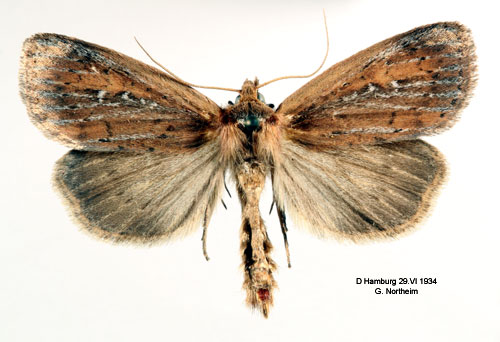
White-mantled Wainscot
VUArchanara neurica

White-rumped Vulture
CRGyps bengalensis
The White-rumped Vulture has experienced one of the most catastrophic population declines in avian history, with populations crashing by over 99% since the 1990s. The primary cause is diclofenac poisoning from livestock carcasses, which causes fatal kidney failure in vultures. Additional threats include habitat loss, food scarcity, and secondary poisoning from other veterinary drugs.
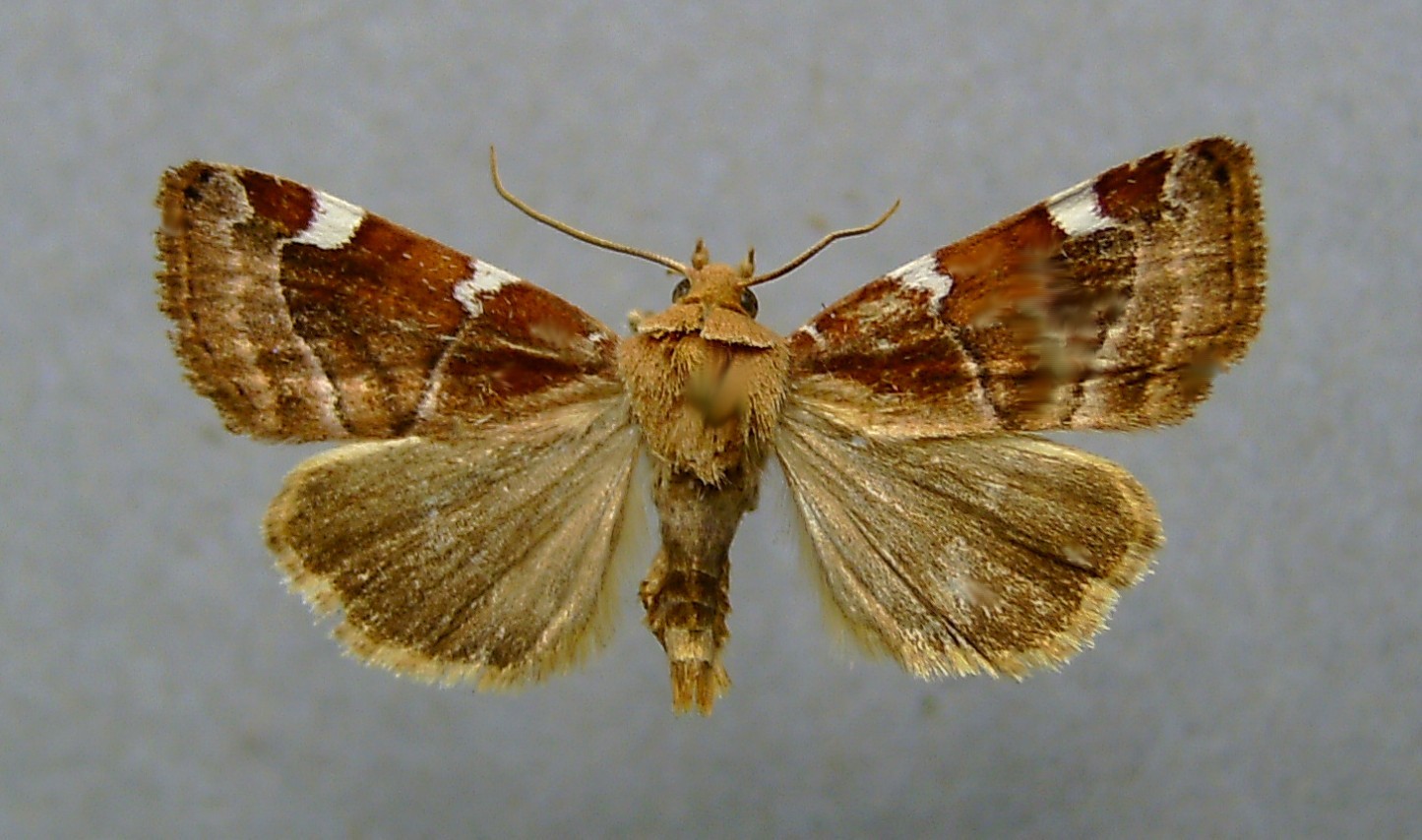
White-spotted Pinion
VUCosmia diffinis
White-starred Goby
VUChriolepis dialepta

White-streaked Antvireo
VUDysithamnus leucostictus

White-tailed Deer
CROdocoileus virginianus
White-tailed Deer face severe population declines in certain regions due to habitat fragmentation from urban development and agricultural expansion, which isolates populations and reduces genetic diversity. Vehicle strikes on roads fragmenting their habitat cause significant mortality, while climate change alters vegetation patterns and increases disease transmission rates. Conservation status may vary by region or assessment authority, with some local populations experiencing critical declines despite broader species distribution.

White-tailed Jay
VUCyanocorax mystacalis
White-throated Dipper
CRCinclus cinclus
The White-throated Dipper faces severe threats from water pollution, habitat degradation, and climate change impacts on freshwater ecosystems. Industrial runoff, agricultural chemicals, and urban development have contaminated and altered the clean, fast-flowing streams essential for this species' survival. Conservation status may vary by region or assessment authority, but declining water quality and stream modification represent critical threats across much of its range.

White-Throated Toucan
VURamphastos tucanus

White-vented Plumeleteer
ENChalybura buffonii

White-winged apalis
VUApalis chariessa

Whiting
VUMerlangius merlangus
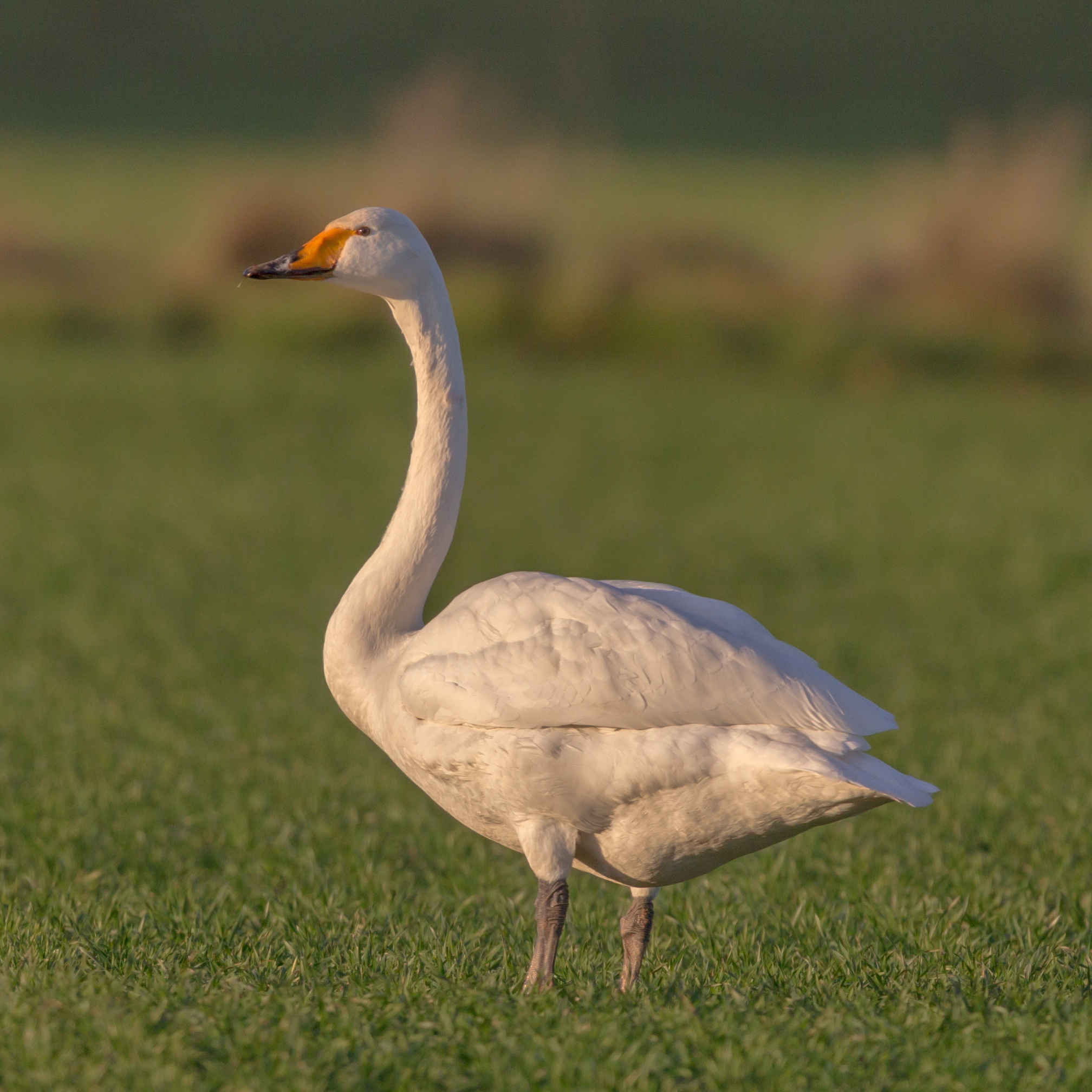
Whooper Swan
VUCygnus cygnus

Whorl-grass
VUCatabrosa aquatica

Whorled Sage
ENSalvia verticillata
Whorled Tufa-moss
VUEucladium verticillatum

Wide-leaf low sedge
VUCarex pediformis
Wider's Tree-chernes
ENAllochernes wideri

Wiegmann's tree iguana
VULiolaemus wiegmannii
Wiesenrauten-Blattzikade
VUMicantulina micantula

Wigeon
CRMareca penelope
The Wigeon faces severe population declines due to widespread habitat loss from wetland drainage and agricultural conversion across its breeding and wintering grounds. Climate change is altering precipitation patterns and temperature regimes, disrupting the timing of migration and breeding cycles while degrading critical wetland ecosystems. Hunting pressure and disturbance at key staging areas further compound these threats, pushing populations toward critical levels.

wiipë
VUGarcinia madruno

wild celery
CRApium graveolens
Wild celery faces severe threats from habitat destruction as coastal wetlands and salt marshes are drained for agriculture and urban development. Climate change and sea level rise further threaten these specialized habitats, while invasive species compete for resources in remaining suitable areas.

Wild Celery
CRVallisneria americana
Wild Celery faces severe threats from habitat degradation due to water pollution, eutrophication, and sedimentation in freshwater systems. Invasive species competition, dam construction altering water flow patterns, and climate change impacts on water temperature and chemistry have contributed to significant population declines across its range.

Wild Lettuce
ENLactuca quercina

Wild Prickly Rose
VURosa acicularis
Wild Pumpkin
CRCionosicys pomiformis
Wild Pumpkin faces severe threats from habitat destruction due to agricultural expansion and urban development across its limited range. The species' restricted distribution makes it particularly vulnerable to localized threats, while climate change poses additional risks to its specialized habitat requirements.
wild Star sea pen
VUKophobelemnon stelliferum
Wild Tomato (Trinidad & Tobago)
VUAmbrosia cumanensis

Wildcat
CRFelis silvestris
The Wildcat faces severe threats from hybridization with domestic cats, which dilutes the genetic integrity of pure wildcat populations and represents one of the most significant conservation challenges for the species. Habitat fragmentation and loss due to agricultural expansion, urbanization, and infrastructure development have severely reduced suitable territory and isolated remaining populations. Conservation status may vary by region or assessment authority, but persecution by humans and competition with feral domestic cats continue to drive population declines.
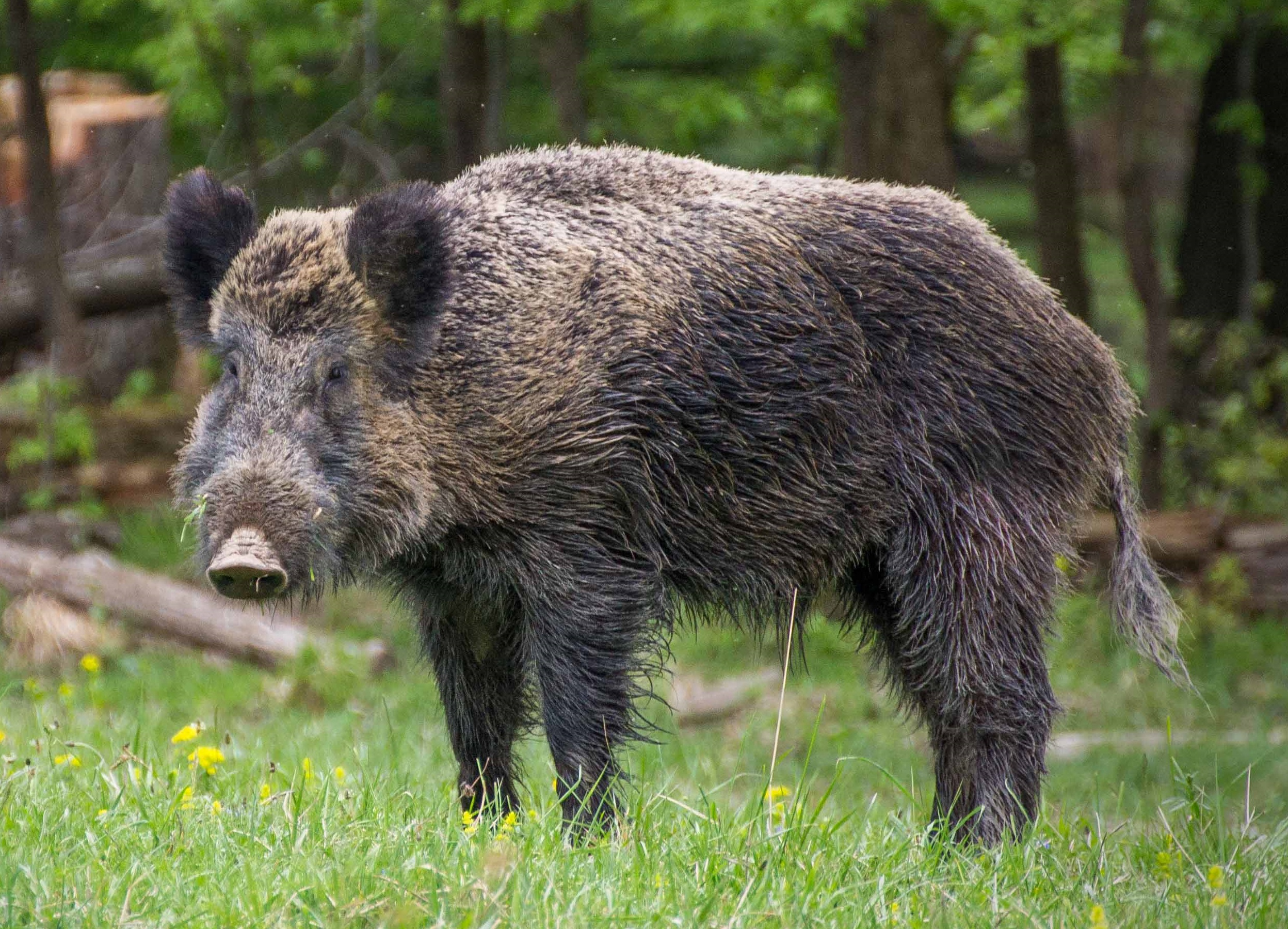
Wildschwein
CRSus scrofa
Wild boar populations face severe pressure from habitat fragmentation and conversion of forests and woodlands to agricultural land and urban development. Intensive hunting pressure, disease transmission from domestic pigs, and human-wildlife conflict in agricultural areas have contributed to population declines in certain regions, though conservation status may vary by region or assessment authority.

wilgedansvlieg
ENEmpis borealis
Willow Bonnet
VUMycenella salicina

Willow Moss
VUFontinalis antipyretica
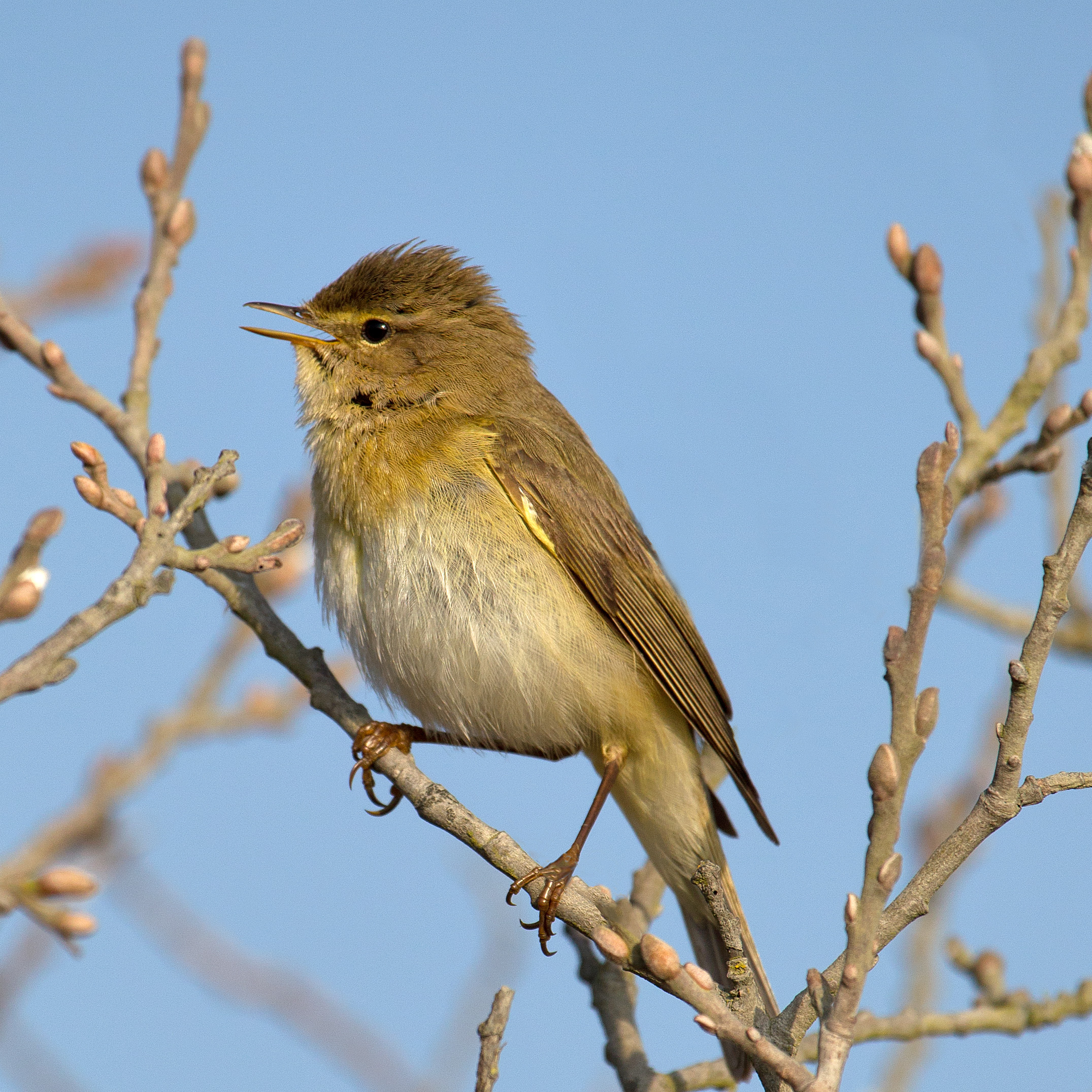
Willow Warbler
VUPhylloscopus trochilus

Wilson's Filmy Fern
CRHymenophyllum wilsonii
Wilson's Filmy Fern faces severe threats from habitat destruction and degradation of its specialized oceanic environments. The species' extremely limited distribution and dependence on specific humid microclimates make it highly vulnerable to environmental changes and human disturbance. Climate change poses additional risks by altering the precise moisture and temperature conditions this delicate fern requires for survival.
Wimpergeleitandzwam
VUStypella subgelatinosa

Winecork Brittlegill
CRRussula adusta
The Winecork Brittlegill faces severe threats from widespread habitat degradation and loss of mature forest ecosystems essential for its mycorrhizal relationships. Climate change and atmospheric pollution are disrupting the delicate soil chemistry and fungal networks this species depends on for survival. Conservation status may vary by region or assessment authority, but declining populations reflect the broader crisis facing forest-dependent fungi.
winter cattleya
CRCattleya trianae
The winter cattleya faces severe threats from habitat destruction due to deforestation and agricultural expansion in Colombia's cloud forest ecosystems. Over-collection for the international orchid trade has significantly depleted wild populations, while climate change threatens the specific temperature and humidity conditions this species requires in its montane habitat.

Wiry Ground-cedar
ENDiphasiastrum tristachyum
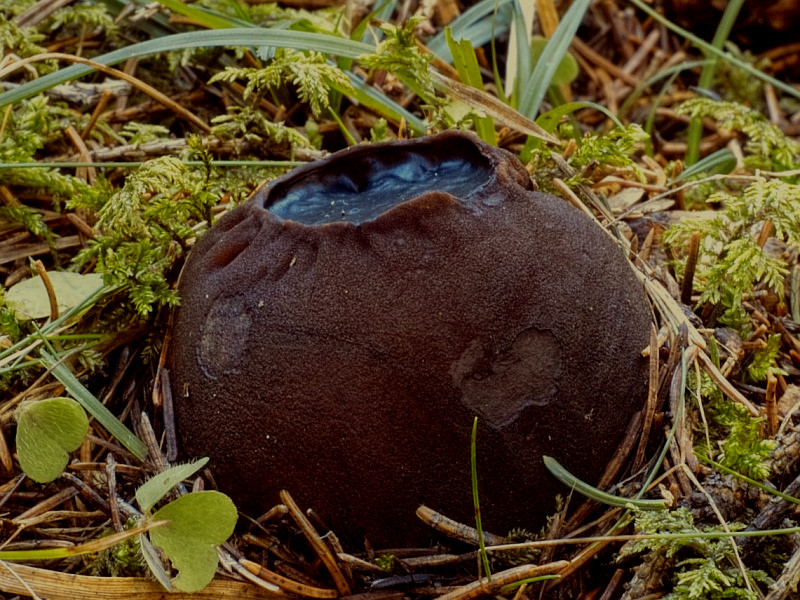
Witches Cauldron
ENSarcosoma globosum

Witches' Whiskers Lichen
VUUsnea florida

Witgele grasmineermot
ENElachista anserinella
Witkring
CRSporodophoron cretaceum
Sporodophoron cretaceum faces severe population declines due to widespread habitat destruction from agricultural expansion and urban development across its limited range. The species' specialized ecological requirements and small, fragmented populations make it extremely vulnerable to environmental changes and stochastic events.
witrugbodemkrabspin
ENOzyptila brevipes

witvlekpyamaspin
VUHypsosinga albovittata