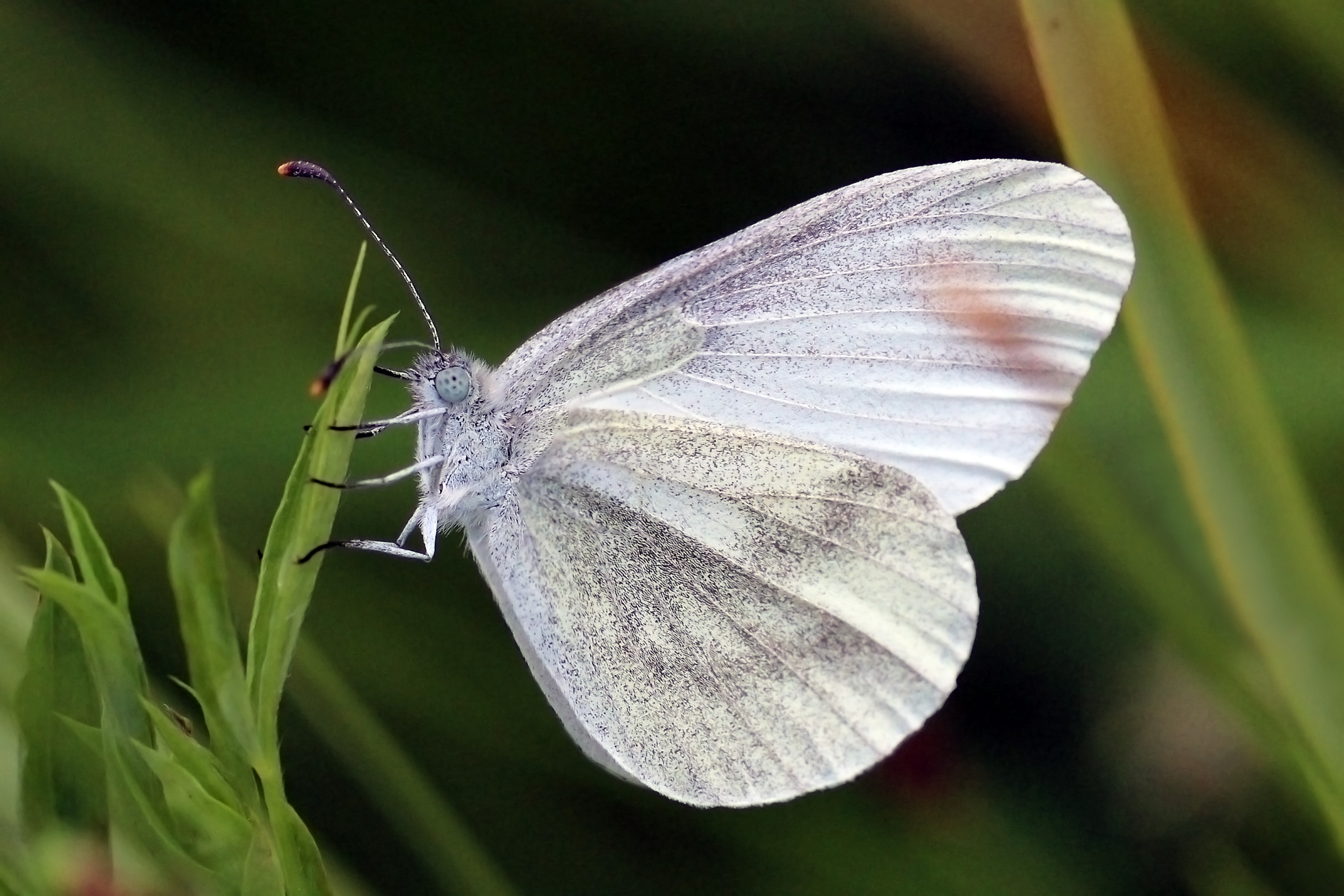
Wood White
Leptidea sinapis
Photo: Wikimedia Commons (CC) via https://en.wikipedia.org/wiki/Leptidea_sinapis
Overview
A detailed profile for this species is sourced from the IUCN Red List of Threatened Species as assessments become available.
The Wood White faces severe population declines across its range due to habitat loss and fragmentation of its specialized woodland environments. Climate change and intensive land management practices have further reduced the availability of suitable breeding sites and larval host plants, pushing this delicate butterfly species toward extinction.
Habitat
Wood Whites inhabit deciduous and mixed woodlands, particularly favoring woodland edges, clearings, and rides with abundant flowering plants. They require areas with their specific larval host plants from the pea family (Fabaceae) such as meadow vetchling and bird's-foot trefoil in semi-shaded woodland environments.
Other threatened species in Pieridae


Frequently asked questions
Why is Wood White classified as Critically Endangered?
Where does Wood White live?
What are the main threats to Wood White?
Get weekly conservation intelligence
One short digest a week of the most striking species and country data we ship, plus breaking conservation news paired with our database where it matters.
Free, no spam. One-click unsubscribe in every email.