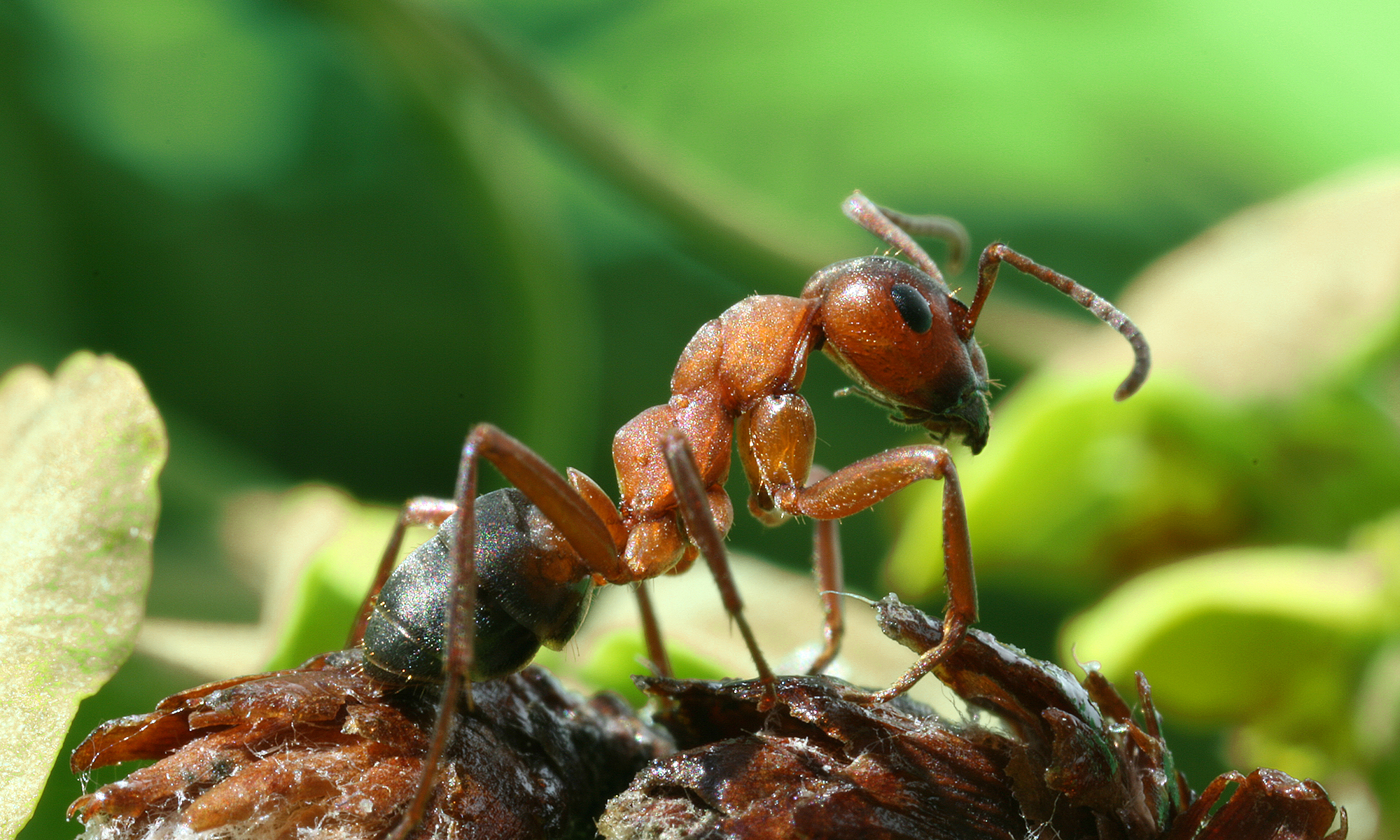
Red Wood Ant
Formica rufa
Photo: Wikimedia Commons (CC) via https://en.wikipedia.org/wiki/Formica_rufa
Overview
A detailed profile for this species is sourced from the IUCN Red List of Threatened Species as assessments become available.
Wood Ant populations face severe pressure from forest fragmentation and intensive forestry practices that eliminate the mature coniferous and mixed woodlands they require for nest construction. Climate change poses an additional threat by altering forest composition and reducing the availability of aphid-tending opportunities that are crucial for colony nutrition. Habitat degradation from recreational activities and development further fragments their woodland territories, while pesticide use in adjacent agricultural areas can impact foraging workers and disrupt colony dynamics.
Habitat
Wood Ants inhabit mature coniferous and mixed deciduous-coniferous forests, particularly those dominated by spruce, pine, and fir trees. They construct large dome-shaped nests from pine needles, twigs, and other forest debris, typically in sunny clearings or forest edges with access to both canopy aphid colonies and ground-level foraging areas.
Other threatened species in Formicidae

Threatened in Åland Islands


Frequently asked questions
Why is Red Wood Ant classified as Vulnerable?
Where does Red Wood Ant live?
What are the main threats to Red Wood Ant?
Get weekly conservation intelligence
One short digest a week of the most striking species and country data we ship, plus breaking conservation news paired with our database where it matters.
Free, no spam. One-click unsubscribe in every email.