Species Explorer
Browse and search species from the IUCN Red List and GBIF.
54,666 species
Xtsurutok
CRBauhinia jenningsii
Bauhinia jenningsii faces severe threats from habitat destruction due to agricultural expansion and urban development across its limited range. The species' restricted distribution makes it particularly vulnerable to localized threats, while climate change poses additional risks to its specialized habitat requirements.
Yararey
VUXylopia roigii

yãwĩ’ɨ sĩ
VUXylopia aromatica

Yellow Centaury
CRCicendia filiformis
Yellow Centaury faces severe population declines due to habitat loss from agricultural intensification, urban development, and changes in traditional land management practices. The species' specialized requirements for temporary wet depressions and specific soil conditions make it particularly vulnerable to drainage, eutrophication, and altered hydrological regimes.
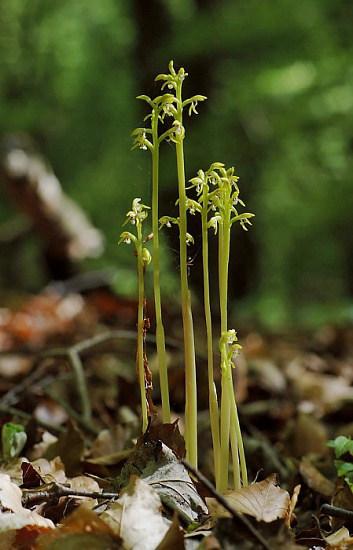
Yellow Coralroot
VUCorallorhiza trifida
Yellow Corvina
VUCynoscion phoxocephalus
Yellow Crisp-moss
VUTortella flavovirens
Yellow Footed Mining Bee
VULasioglossum xanthopus

Yellow Grass-veneer
VUCatoptria lythargyrella

Yellow Knight
ENTricholoma equestre

Yellow Marsh Saxifrage
ENSaxifraga hirculus
Yellow Marsh Saxifrage is declining primarily due to habitat loss and degradation of wetland ecosystems through drainage, agricultural conversion, and development. Climate change poses an additional threat by altering the hydrology and temperature regimes of the specialized bog and fen habitats this species requires.
Yellow Meranti
ENShorea balanocarpoides
Yellow Meranti
CRShorea hopeifolia
Yellow Meranti faces severe threats from extensive deforestation and habitat conversion throughout its range in Southeast Asian lowland forests. Logging operations, both legal and illegal, combined with agricultural expansion and palm oil plantations, have dramatically reduced available habitat. The species' restriction to specific lowland forest conditions makes it particularly vulnerable to these ongoing pressures.

Yellow Morel
VUMorchella esculenta
Yellow oliver, Yellow sanders
CRTerminalia tetraphylla
Yellow sanders faces severe population decline due to extensive habitat destruction from coastal development and agricultural expansion throughout its native range. The species is further threatened by overexploitation for its valuable timber and traditional medicinal uses, combined with limited natural regeneration in fragmented forest patches.

Yellow Pogonus
CRPogonus luridipennis
Yellow Pogonus faces severe threats from coastal habitat destruction and degradation due to urban development, industrial activities, and sea level rise affecting its specialized saltmarsh and mudflat environments. The species' restricted distribution and specific habitat requirements make it particularly vulnerable to environmental changes and human disturbance in coastal areas.

Yellow Ribbon Lichen
CRUsnocetraria oakesiana
Yellow Ribbon Lichen faces severe threats from air pollution, particularly nitrogen deposition and sulfur compounds, which dramatically alter the chemical composition of its substrate and surrounding environment. Climate change is causing shifts in temperature and humidity patterns that disrupt the delicate balance this species requires for survival. Habitat loss through deforestation and urban development has eliminated many suitable locations where this lichen historically occurred.

yellow sedge
ENCarex flava

Yellow Specklebelly
VUPseudocyphellaria crocata
Yellow Staining Knight
CRTricholoma sulphurescens
The Yellow Staining Knight faces severe population declines due to widespread habitat destruction and degradation of its specialized forest ecosystems. Climate change is altering the delicate soil chemistry and mycorrhizal relationships essential for this fungus, while pollution and forest fragmentation further threaten remaining populations.
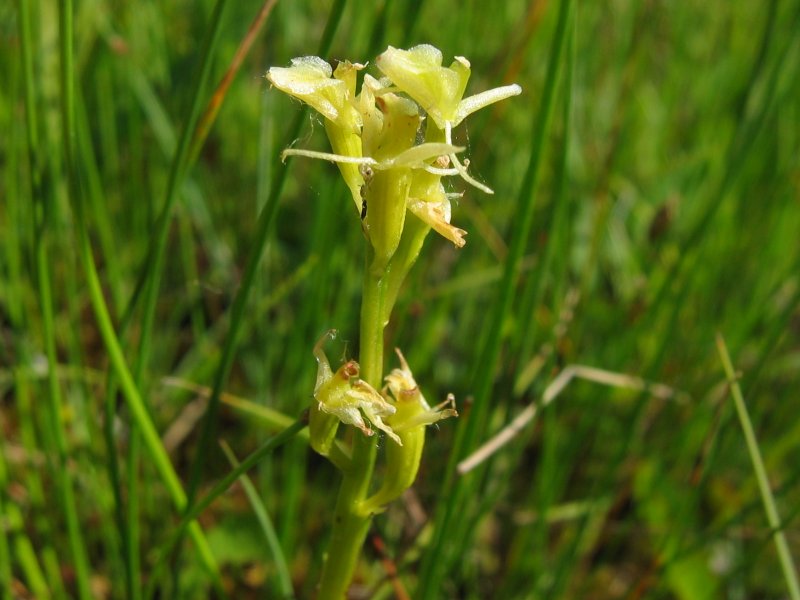
Yellow Widelip Orchid
CRLiparis loeselii
The Yellow Widelip Orchid faces severe population declines due to widespread habitat destruction and degradation of its specialized wetland environments. Drainage of fens, bogs, and wet meadows for agriculture and development has eliminated many historical populations, while remaining sites suffer from altered hydrology, invasive species encroachment, and reduced habitat quality from pollution and eutrophication.

Yellow Woodland Thimbleweed
ENAnemone ranunculoides

Yellow-banded Skipper
VUPyrgus sidae
Yellow-bellied Frog
VUGeocrinia vitellina

Yellow-bellied Toad
CRBombina variegata
The Yellow-bellied Toad faces severe population declines across its range due to widespread habitat destruction and degradation of its specialized breeding sites. Agricultural intensification, urban development, and pollution have eliminated many of the small, temporary water bodies essential for reproduction, while climate change threatens to further reduce suitable habitat availability.

Yellow-billed Diver
CRGavia adamsii
The Yellow-billed Diver faces severe threats from climate change impacts on Arctic breeding habitats, including altered ice conditions and changing prey availability. Industrial development, oil spills, and pollution in both breeding and wintering areas pose additional significant risks to this Arctic specialist. Conservation status may vary by region or assessment authority.
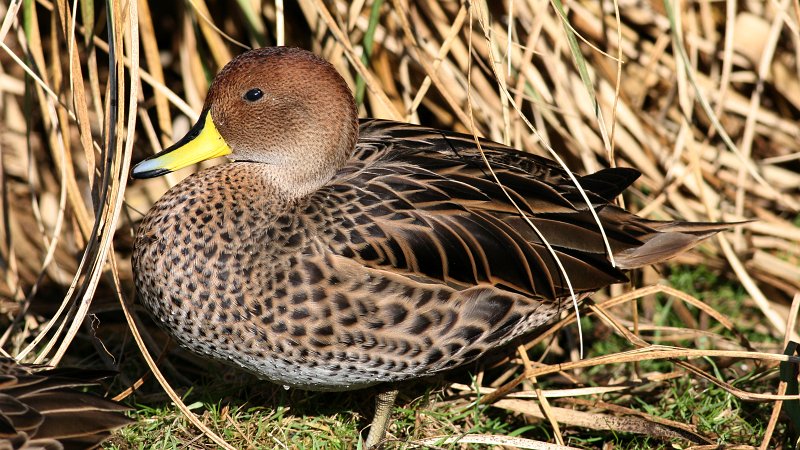
Yellow-billed Pintail
VUAnas georgica
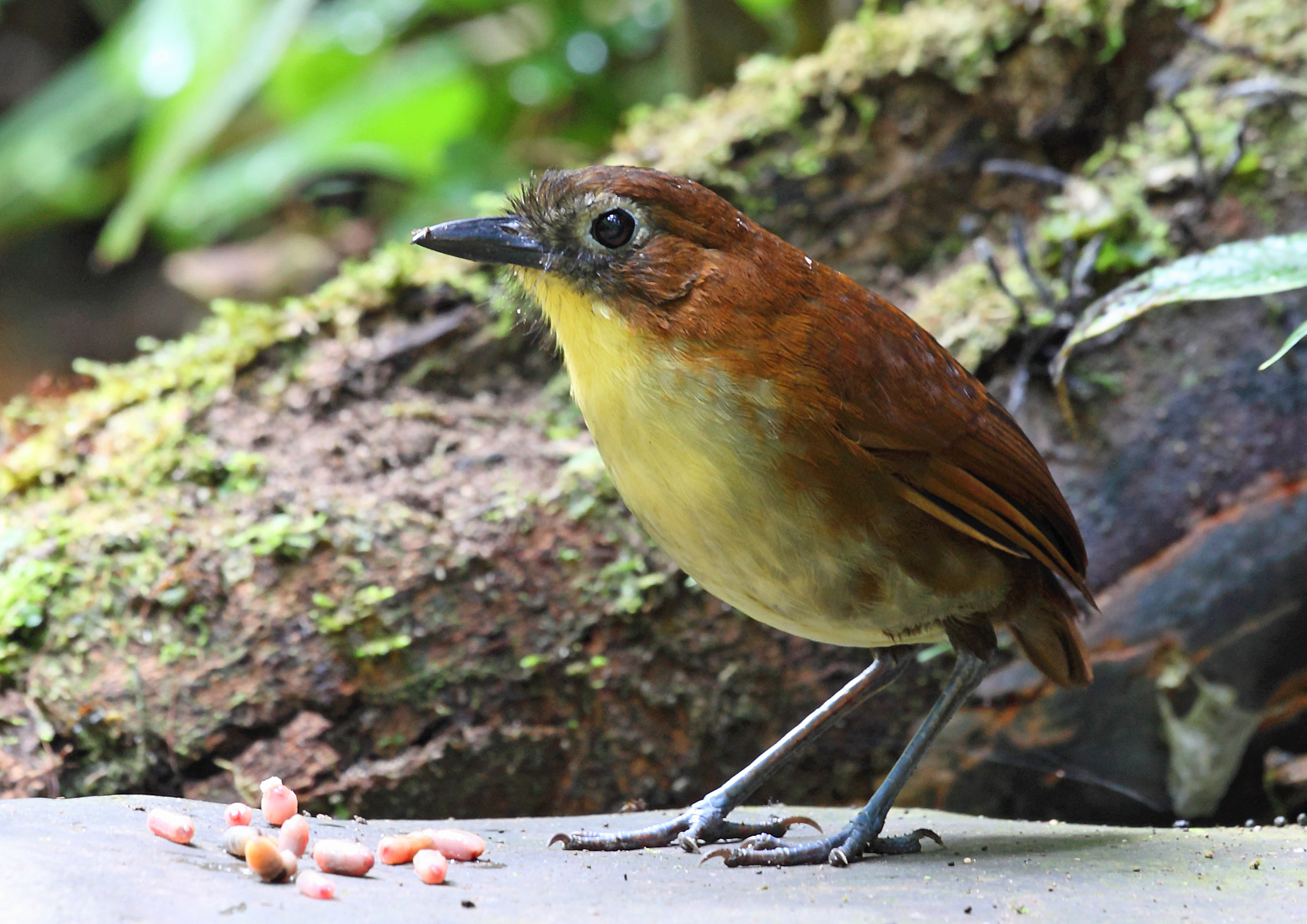
Yellow-breasted Antpitta
VUGrallaria flavotincta

Yellow-breasted Antwren
VUHerpsilochmus axillaris

Yellow-headed Brush-finch
VUAtlapetes flaviceps

Yellow-headed Manakin
VUXenopipo flavicapilla

Yellow-headed Phoenix
VUEcliptopera capitata

Yellow-knobbed Curassow
ENCrax daubentoni

Yellow-legged Nomad Bee
CRNomada succincta
The Yellow-legged Nomad Bee faces threats from habitat loss due to agricultural intensification and urban development, which reduces nesting opportunities for both the species and its host bees. The decline of host bee populations directly impacts this cleptoparasitic species' ability to reproduce successfully. Climate change may disrupt the timing between the nomad bee's lifecycle and its host species' activity periods.
Yellow-mouth Pikeblenny
VUChaenopsis schmitti

Yellow-rattle
VURhinanthus minor
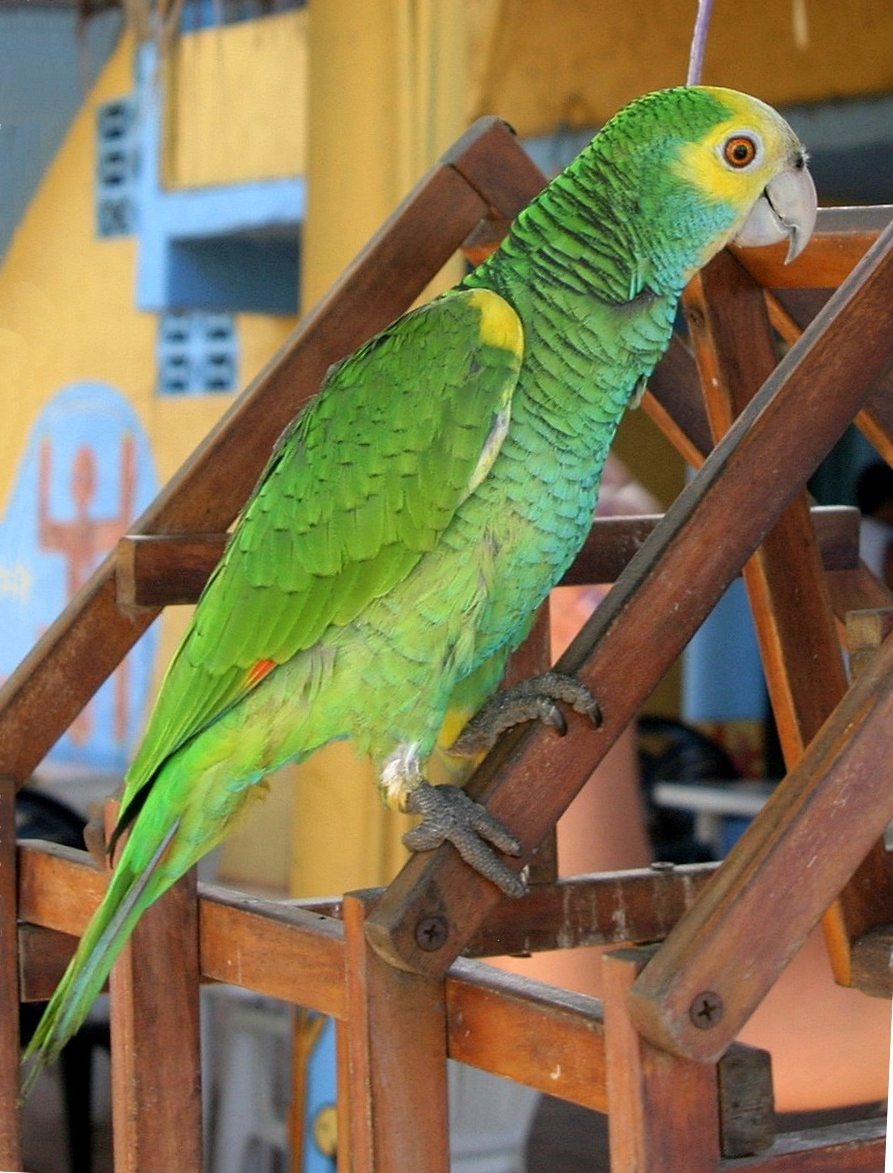
Yellow-shouldered Parrot
ENAmazona barbadensis

Yellow-spotted Andes Frog
VULynchius flavomaculatus

Yellow-spotted Emerald
VUSomatochlora flavomaculata

Yellow-spotted Whiteface
CRLeucorrhinia pectoralis
The Yellow-spotted Whiteface faces severe population declines due to widespread habitat destruction and degradation of its specialized wetland environments. Climate change and water pollution further threaten the delicate aquatic ecosystems this dragonfly depends on for reproduction and larval development, while its limited dispersal ability makes populations particularly vulnerable to local extinctions.

Yellow-striped Dwarf Frog
VUEleutherodactylus limbatus

Yellow-throated Bulbul
VUPycnonotus xantholaemus

Yellow-throated Bush-tanager
VUChlorospingus flavigularis

Yellow-throated Toucan
VURamphastos ambiguus
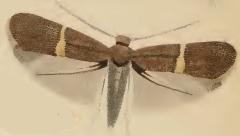
Yellow-tipped Dwarf
VUElachista bisulcella

Yellow-watercress
ENRorippa islandica

Yellow-winged Darter
VUSympetrum flaveolum

Yellowbelly rockcod
VUEpinephelus marginatus
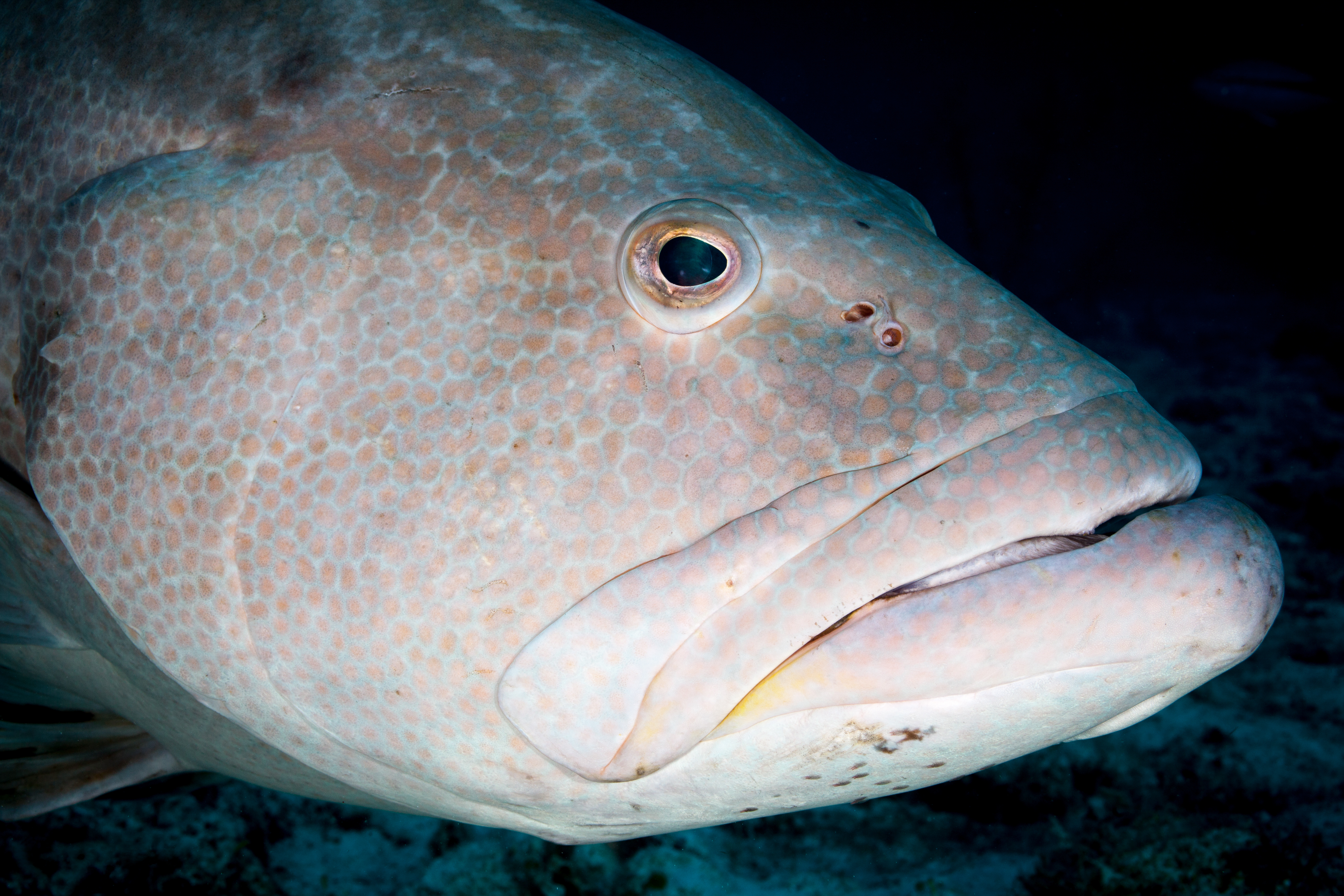
Yellowfin grouper
VUMycteroperca venenosa

Yellowhammer
VUEmberiza citrinella