Species Explorer
Browse and search species from the IUCN Red List and GBIF.
54,666 species

Hoffmanns's Woodcreeper
VUDendrocolaptes hoffmannsi

Hoge’s Toadhead Turtle
CRMesoclemmys hogei
Hoge's Toadhead Turtle faces severe threats primarily from habitat destruction and degradation due to agricultural expansion, urban development, and water pollution in its limited range in southeastern Brazil. The species' extremely restricted distribution makes it particularly vulnerable to local extinctions, while collection for the pet trade and road mortality further compound population declines.
Hoja de clavo
CRPlinia stenophylla
Plinia stenophylla faces severe threats primarily from habitat destruction and fragmentation due to agricultural expansion and urban development in its native Brazilian Atlantic Forest region. The species has an extremely restricted range and small population size, making it highly vulnerable to environmental changes and human activities. Deforestation for cattle ranching and crop cultivation continues to reduce the remaining forest patches where this endemic species occurs.
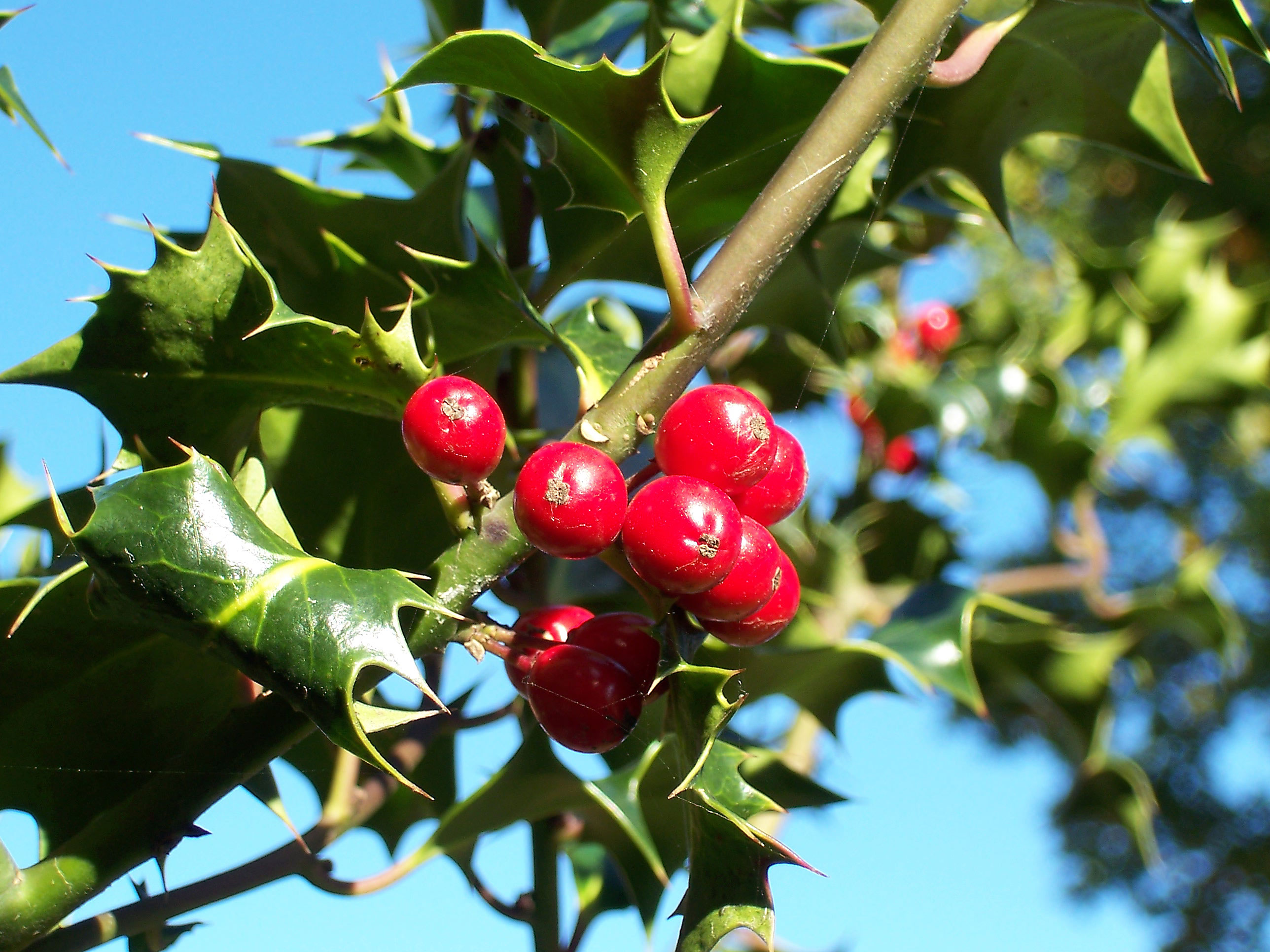
Holly
CRIlex aquifolium
Holly (Ilex aquifolium) faces significant threats from habitat loss due to deforestation and land conversion for agriculture and development. Climate change is altering suitable habitat ranges, while over-harvesting for decorative purposes during winter holidays has reduced wild populations in many regions.

Hombron's Kingfisher
VUActenoides hombroni

Honeysuckle Dwarf
VUPerittia obscurepunctella

Hooded Antpitta
VUGrallaricula cucullata
Hooded Ribbon Lichen
CRRamalina obtusata
Hooded Ribbon Lichen (Ramalina obtusata) is critically endangered primarily due to air pollution, particularly sulfur dioxide and nitrogen compounds that severely impact lichen survival. Habitat loss from coastal development and climate change effects including altered precipitation patterns and increased storm intensity further threaten the remaining populations of this sensitive epiphytic species.
Hooked Scorpion-moss
VUScorpidium scorpioides
Hooker's Flapwort
VUHaplomitrium hookeri

hora
ENDipterocarpus zeylanicus
Dipterocarpus zeylanicus faces severe population decline primarily due to extensive deforestation and habitat conversion for agriculture, urban development, and logging activities across its native range in Sri Lanka. The species' limited distribution and slow growth rate make it particularly vulnerable to ongoing habitat fragmentation and degradation.

Horizontal Pelt Lichen
ENPeltigera horizontalis
Horizontal Pelt Lichen faces severe decline due to habitat loss from deforestation and land conversion, air pollution that disrupts its sensitive physiological processes, and climate change altering moisture and temperature regimes essential for its survival. As a slow-growing epiphytic species, it is particularly vulnerable to rapid environmental changes and has limited ability to recolonize disturbed areas.

Horn of Plenty
ENCraterellus cornucopioides
The Horn of Plenty faces significant pressure from habitat loss due to deforestation and fragmentation of old-growth deciduous forests where it forms essential partnerships with mature trees. Climate change is altering precipitation patterns and soil conditions, disrupting the delicate moisture balance required for fruiting body development. Over-harvesting by commercial foragers and recreational mushroom hunters has also contributed to population declines in accessible forest areas.
Horned Dung Beetle
CRCopris lunaris
The Horned Dung Beetle (Copris lunaris) has experienced severe population declines primarily due to habitat loss and degradation of grassland ecosystems across Europe. Agricultural intensification, including the widespread use of veterinary medicines like ivermectin that contaminate dung and reduce insect survival, has significantly impacted populations. The species' dependence on large mammal dung and traditional pastoral systems makes it particularly vulnerable to modern farming practices.
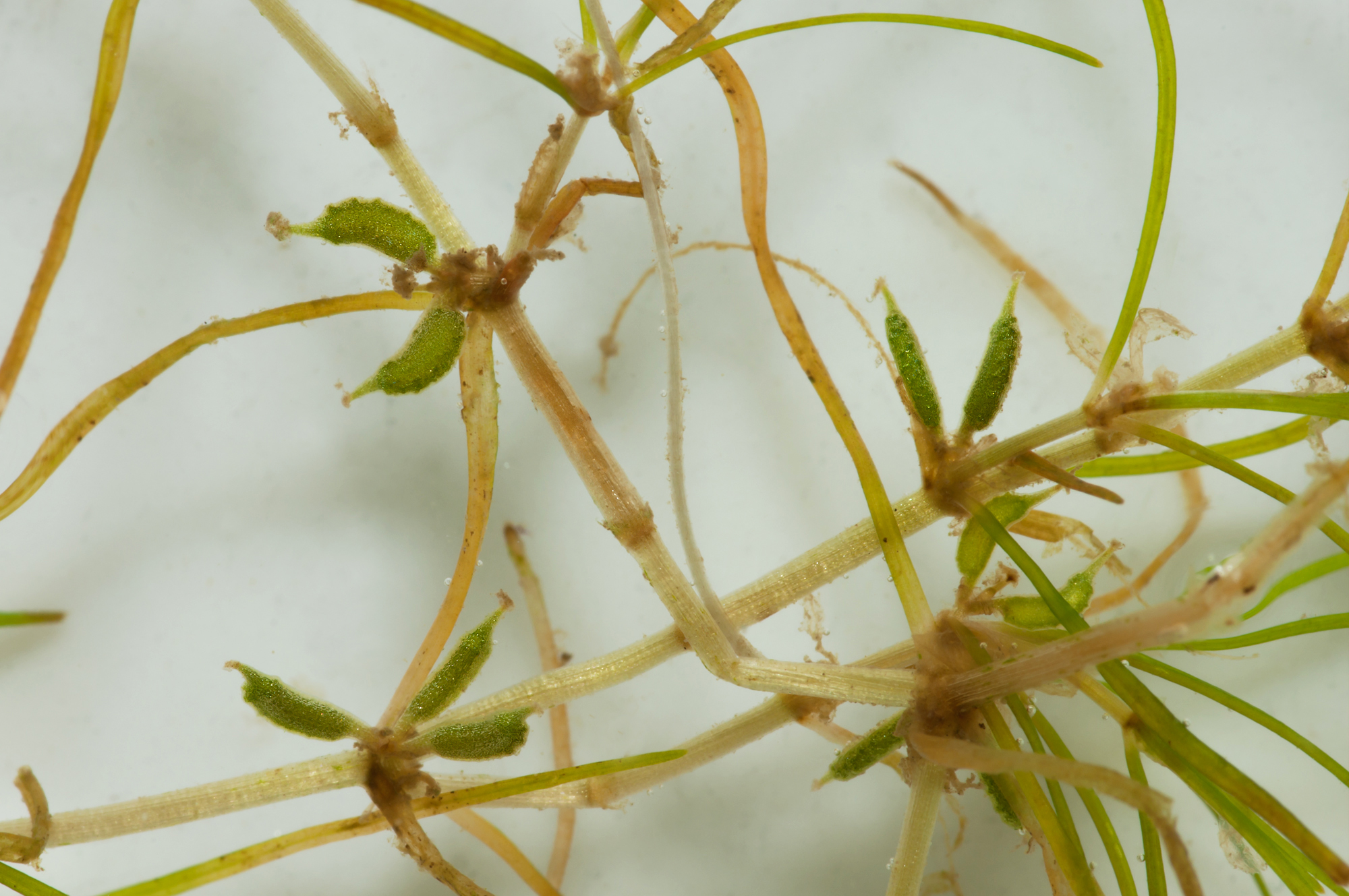
Horned Poolmat
VUZannichellia palustris
Horned Pondweed (Zannichellia palustris) faces significant threats from habitat degradation and loss due to water pollution, eutrophication, and wetland drainage for agricultural and urban development. The species is particularly vulnerable to changes in water quality and hydrological regimes that affect its shallow aquatic habitats.
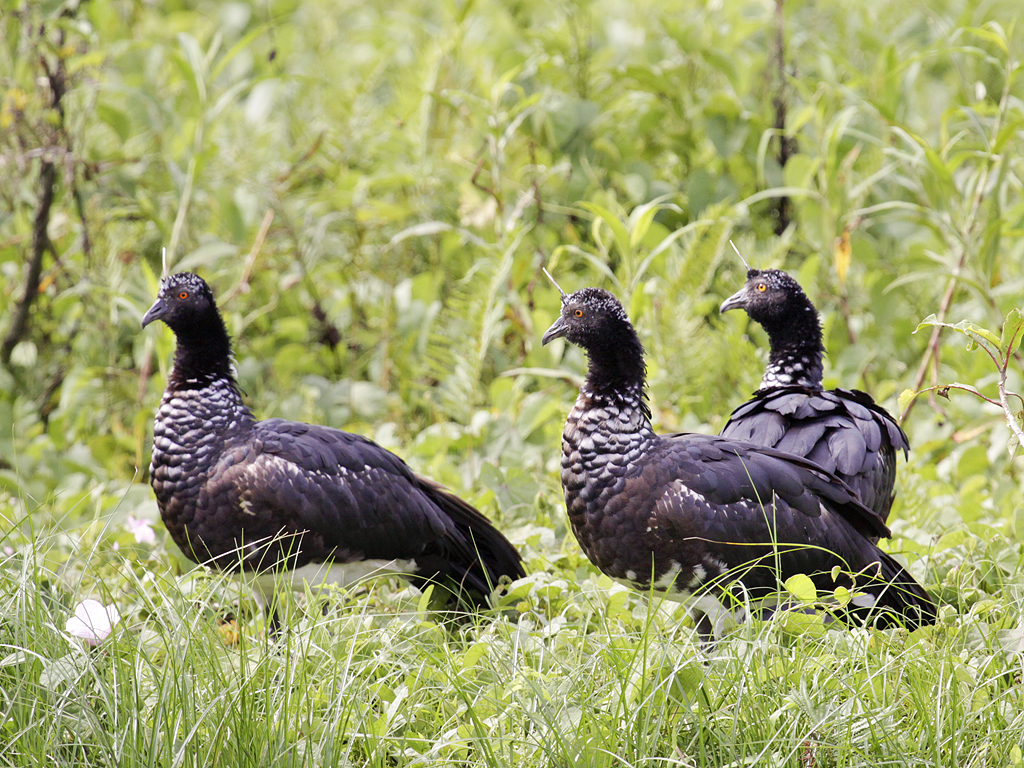
Horned Screamer
VUAnhima cornuta

Hornet Robberfly
VUAsilus crabroniformis
Hornschuch's Pseudocrossidium Moss
ENPseudocrossidium hornschuchianum
Hornschuch's Pseudocrossidium Moss faces severe decline due to habitat destruction from urban development, agricultural expansion, and infrastructure projects that eliminate the specialized calcareous substrates it requires. Climate change and air pollution further threaten remaining populations by altering the delicate moisture and chemical conditions necessary for this species' survival.

Hornstieliger Scheinschwefelkopf
VUMythicomyces corneipes
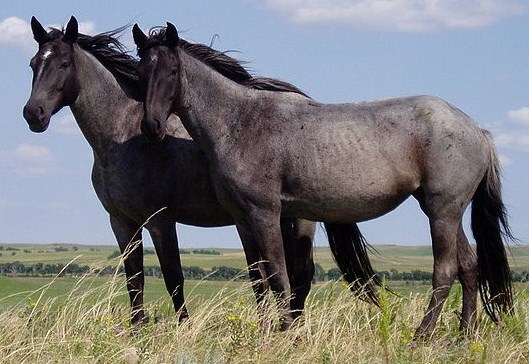
Horse
VUEquus caballus
![Horse-chestnut [moth]](https://upload.wikimedia.org/wikipedia/commons/f/fb/Pachycnemia_hippocastanaria.jpg)
Horse-chestnut [moth]
ENPachycnemia hippocastanaria
The Horse-chestnut moth is declining primarily due to habitat loss from urbanization and changes in woodland management practices. The species' dependence on specific host plants and mature woodland environments makes it particularly vulnerable to landscape fragmentation and the loss of ancient woodland sites.

Horse-mussel
VUModiolus modiolus
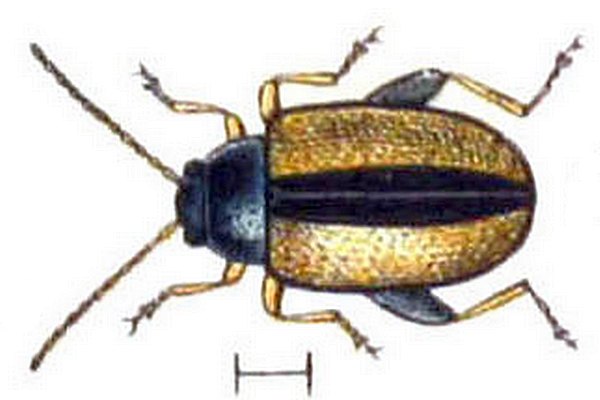
Horseradish Flea Beetle
VUPhyllotreta armoraciae
höstfrölöpare
CRHarpalus autumnalis
Harpalus autumnalis faces severe population decline primarily due to habitat loss from agricultural intensification and urban development in its limited range. The species' specialized habitat requirements and restricted distribution make it particularly vulnerable to environmental changes and human activities.

Hover fly
ENEristalis rupium
Eristalis rupium faces severe population declines primarily due to habitat loss and degradation of its specialized wetland breeding sites. Agricultural intensification, urban development, and water pollution have significantly reduced the availability of suitable bog and fen habitats where larvae develop in organic-rich water bodies.
Huancabamba Robber Frog
VUPristimantis sternothylax
Hudieguo
VUCleidiocarpon cavaleriei

Hudson Bay Sedge
VUCarex heleonastes
Huijsmans Rötling
VUEntoloma huijsmanii
huldreedderkopp
ENKikimora palustris
Primary threats include wetland drainage for agricultural expansion and urban development, which has fragmented remaining suitable habitat. Climate change-induced alterations to water levels and seasonal flooding patterns further compromise the species' specialized breeding requirements.

huldrenever
CRPeltigera retifoveata
Peltigera retifoveata, a critically endangered lichen species, faces severe decline primarily due to habitat loss and degradation of its specialized forest ecosystems. Air pollution and climate change further threaten this sensitive species, which requires specific environmental conditions to survive.

Humayun's Wrinkled Frog
VUNyctibatrachus humayuni
Humble Pixie-cup Lichen
VUCladonia humilis

humlevecklare
CRGrapholita discretana
Grapholita discretana, the humlevecklare, faces severe population decline primarily due to habitat loss and degradation of its specialized host plant environments. The species' narrow ecological requirements and limited distribution make it extremely vulnerable to environmental changes and human activities that alter its breeding and feeding habitats.
hunebedvlekje
VUFuscidea praeruptorum

husbockslejon
CROpilo domesticus
The husbockslejon faces severe population declines due to widespread habitat destruction from agricultural expansion and urban development across its limited range. Invasive species competition and climate-induced changes to its specialized microhabitat requirements have further accelerated population fragmentation and local extinctions.

Hutchinsia
CRHornungia petraea
Hutchinsia petraea (Rock Hutchinsia) faces severe population declines primarily due to habitat loss and degradation of its specialized rocky outcrop and limestone pavement habitats. Urban development, quarrying activities, and changes in land management practices have significantly reduced available suitable habitat. Climate change may also be affecting the species through altered precipitation patterns and temperature regimes in its restricted range.
Hvidbåndet rovflue
CRCyrtopogon lateralis
Cyrtopogon lateralis, the white-banded robber fly, faces severe population decline primarily due to habitat loss and degradation of its specialized sandy coastal and heathland environments. Agricultural intensification, urban development, and changes in land management practices have significantly reduced the availability of suitable breeding and foraging habitats. Climate change may further threaten this species by altering the microclimatic conditions it requires.

Hvidkravet dværgløber
VUMicrovelia buenoi
hyacintvaxskivling
ENHygrophorus hyacinthinus
Hygrophorus hyacinthinus faces severe decline due to habitat loss from deforestation and agricultural conversion of its specialized forest ecosystems. Climate change is altering the delicate moisture and temperature conditions required for this mycorrhizal fungus to fruit and maintain symbiotic relationships with host trees.

Hygrophore à odeur de cossus
CRHygrophorus cossus
Hygrophorus cossus is critically endangered primarily due to habitat loss and degradation of its specialized old-growth forest ecosystems. The species requires very specific ecological conditions including mature trees and stable soil chemistry, making it extremely vulnerable to forest management practices and environmental changes.
Hygrophore des poètes
VUHygrophorus poetarum

Iberian arched-mouth nase
VUIberochondrostoma lemmingii

Iberian barbel
VULuciobarbus comizo

Iberian minnowcarp
ENAnaecypris hispanica
The Iberian minnowcarp faces severe population declines primarily due to habitat degradation from water extraction, dam construction, and pollution in its limited river systems. Introduced non-native fish species compete for resources and alter ecosystem dynamics, while climate change exacerbates water scarcity in its already restricted Mediterranean range.

Iberian Rock Lizard
VUIberolacerta monticola

Iberian-Roach
VUSqualius alburnoides
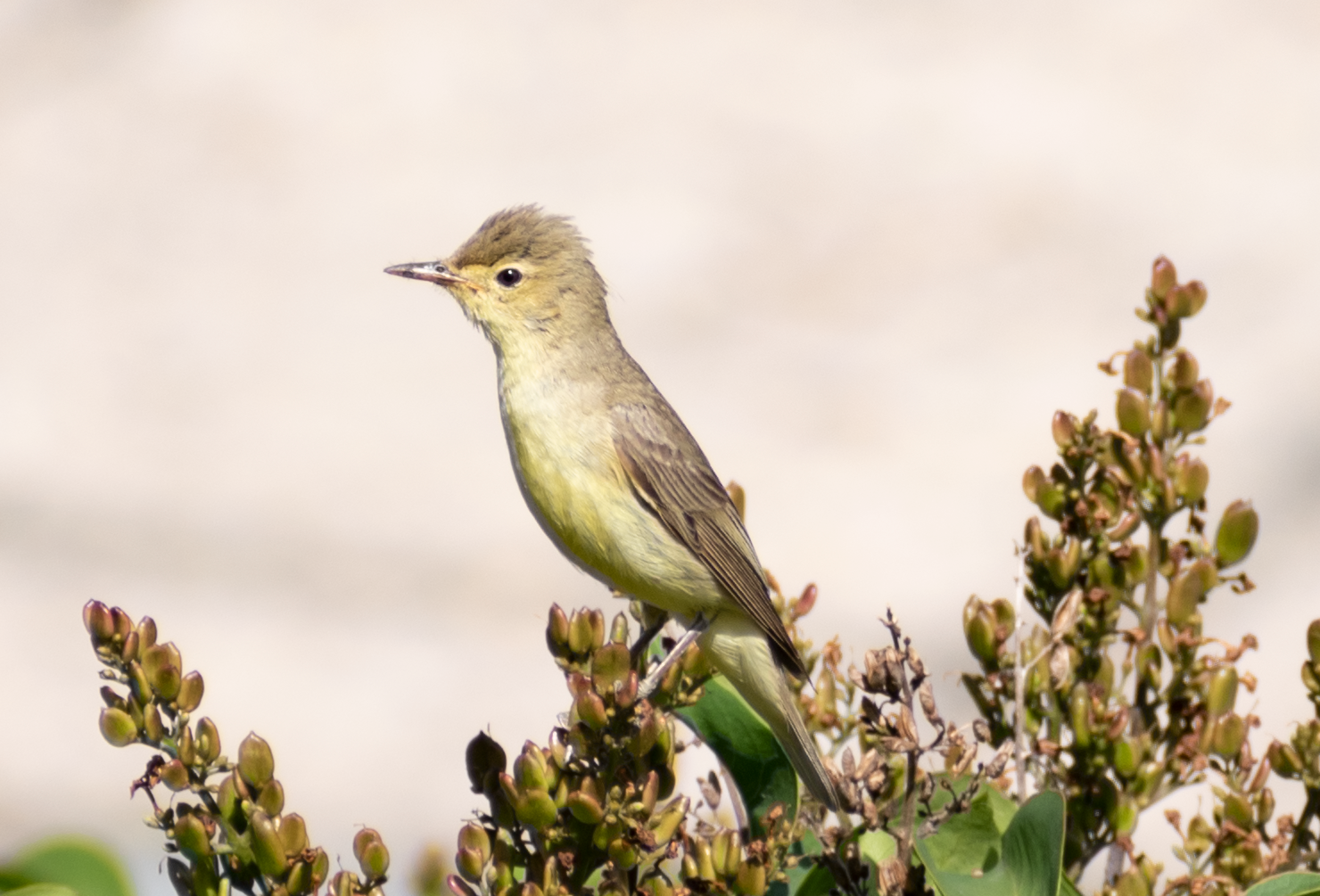
Icterine Warbler
VUHippolais icterina

iepenwrat
VUAcrocordia gemmata

ignorerad stävmal
VUChionodes ignorantella