Dermoloma josserandii
Overview
A detailed profile for this species is sourced from the IUCN Red List of Threatened Species as assessments become available.
Heller Samtritterling faces significant pressure from habitat degradation in its specialized montane forest ecosystems. The species' dependence on specific soil chemistry and mycorrhizal relationships makes it particularly vulnerable to changes in forest composition and ground-level disturbances. Climate change poses an additional threat as warming temperatures may shift the altitudinal zones where this fungus can successfully establish and reproduce.
Habitat
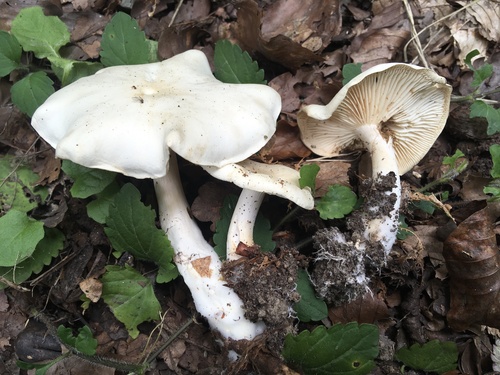
This species occurs in montane coniferous and mixed forests, typically at elevations between 800-1800 meters. It forms mycorrhizal associations with specific tree species and requires particular soil conditions with stable pH and organic matter content.
Other threatened species in Tricholomataceae


Frequently asked questions
Why is Dermoloma josserandii classified as Vulnerable?
Where does Dermoloma josserandii live?
What are the main threats to Dermoloma josserandii?
Get weekly conservation intelligence
One short digest a week of the most striking species and country data we ship, plus breaking conservation news paired with our database where it matters.
Free, no spam. One-click unsubscribe in every email.