
Hispaniola palmetto
Sabal domingensis
Photo: Wikimedia Commons (CC) via https://en.wikipedia.org/wiki/Sabal_domingensis
Overview
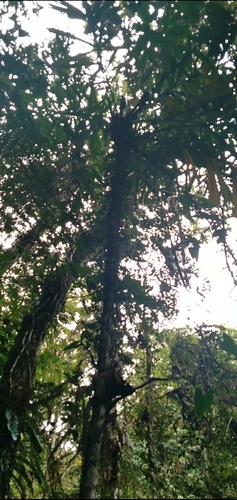
Sabal domingensis, the Hispaniola palmetto, is a species of palm which is native to Hispaniola and Cuba.
The Hispaniola palmetto faces severe population decline primarily due to habitat destruction from agricultural expansion, urban development, and deforestation across its limited range on Hispaniola. Additional pressures from harvesting for construction materials and ornamental use, combined with the species' naturally restricted distribution, have pushed it to endangered status.
Habitat
Sabal domingensis is found from northwest Haiti to the central Dominican Republic on Hispaniola, and is also present in Cuba. It is usually found in secondary vegetation between above sea level.
Other threatened species in Arecaceae
Threatened in Belgium

Frequently asked questions
Why is Hispaniola palmetto classified as Endangered?
Where does Hispaniola palmetto live?
What are the main threats to Hispaniola palmetto?
Get weekly conservation intelligence
One short digest a week of the most striking species and country data we ship, plus breaking conservation news paired with our database where it matters.
Free, no spam. One-click unsubscribe in every email.