Hypsosinga sanguinea
Overview
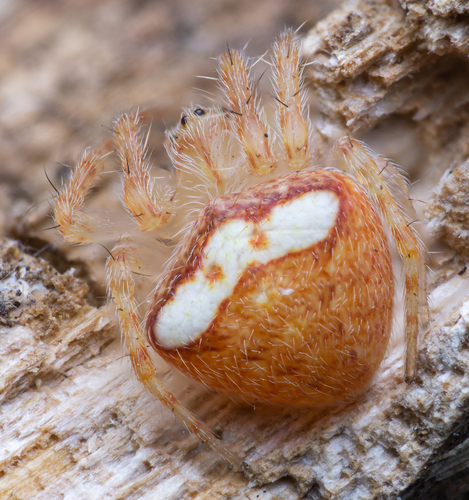
The heidepyamaspin (Hypsosinga sanguinea) is a distinctive orb weaver spider characterized by its blood-red coloration and compact, rounded abdomen. This small arachnid constructs intricate circular webs in low vegetation, playing a crucial role as both predator of small flying insects and prey for birds and larger arthropods in heathland ecosystems.
Habitat loss due to heathland conversion for agriculture and urban development poses the primary threat to heidepyamaspin populations. Climate change and the encroachment of invasive plant species are further degrading the specialized microhabitats this spider requires for web construction and prey capture.
Habitat
This species inhabits European heathlands and moorlands, specifically favoring areas with dense stands of heather (Calluna vulgaris) and cross-leaved heath (Erica tetralix). The spiders construct their webs between low shrubs at heights of 20-60 cm above ground, particularly in areas with morning dew retention and protection from strong winds.
Other threatened species in Araneidae


Threatened in Austria
Frequently asked questions
Why is Hypsosinga sanguinea classified as Endangered?
Where does Hypsosinga sanguinea live?
What are the main threats to Hypsosinga sanguinea?
Get weekly conservation intelligence
One short digest a week of the most striking species and country data we ship, plus breaking conservation news paired with our database where it matters.
Free, no spam. One-click unsubscribe in every email.