
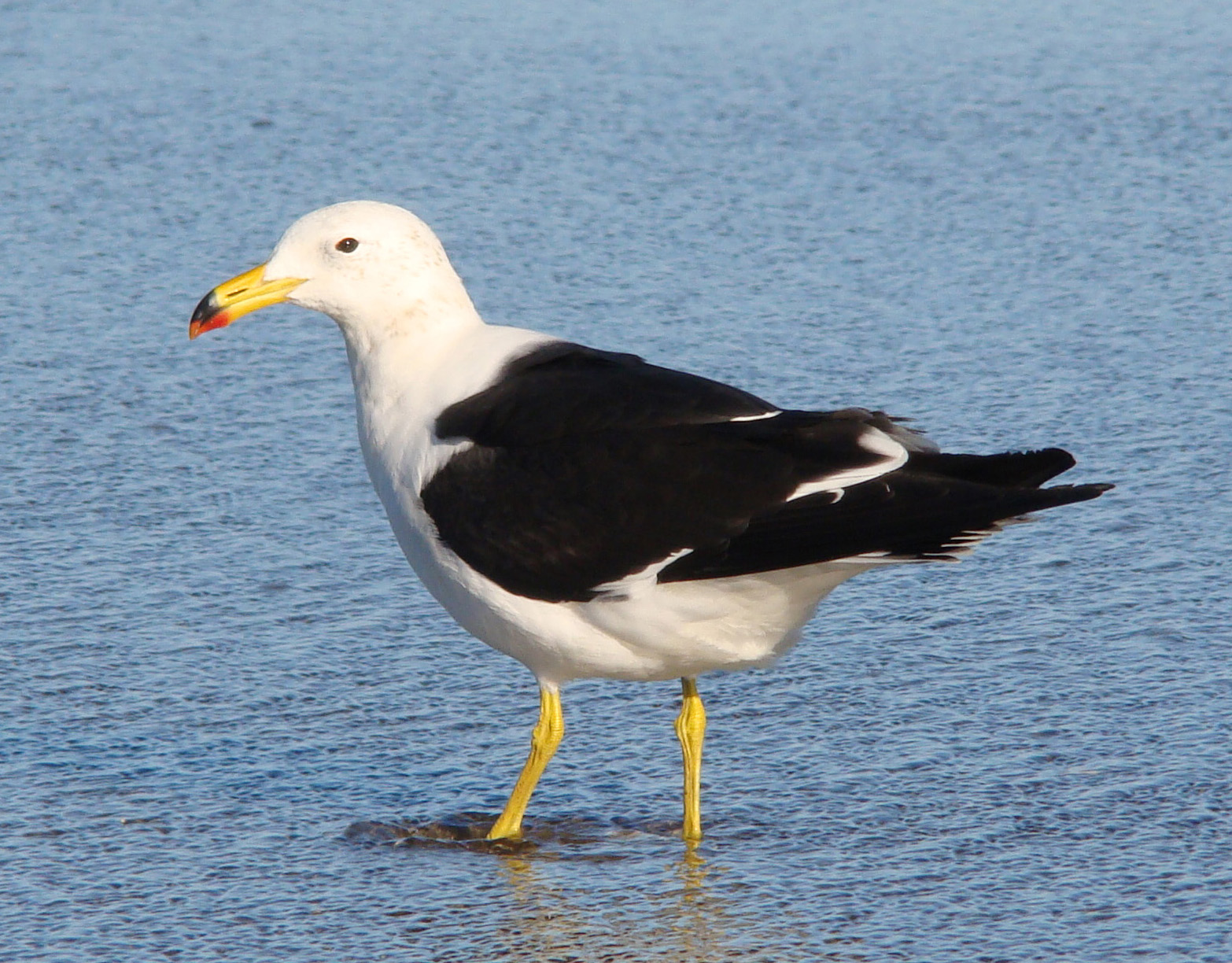
European Herring Gull
Larus argentatus
Photo: Wikimedia Commons (CC) via https://en.wikipedia.org/wiki/European_herring_gull
Overview
A detailed profile for this species is sourced from the IUCN Red List of Threatened Species as assessments become available.
Herring Gulls face significant population declines across their range due to multiple anthropogenic pressures. Coastal development and human disturbance at breeding colonies have reduced nesting success, while pollution from plastics and chemical contaminants affects reproduction and survival rates. Climate change is altering prey availability and shifting suitable breeding habitat northward, forcing populations to adapt to changing marine ecosystems.
Habitat
Herring Gulls inhabit coastal environments including rocky shores, sandy beaches, estuaries, and offshore islands where they establish breeding colonies. They also frequent urban areas, landfills, and inland water bodies, demonstrating remarkable adaptability to human-modified landscapes.
Other threatened species in Laridae


Frequently asked questions
Why is European Herring Gull classified as Vulnerable?
Where does European Herring Gull live?
What are the main threats to European Herring Gull?
Get weekly conservation intelligence
One short digest a week of the most striking species and country data we ship, plus breaking conservation news paired with our database where it matters.
Free, no spam. One-click unsubscribe in every email.