CRCritically Endangered

hietakahvahukka

Miscophus spurius

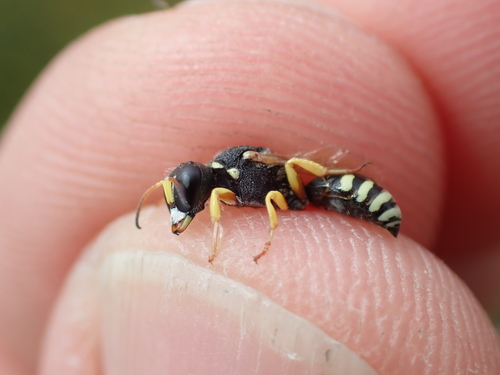
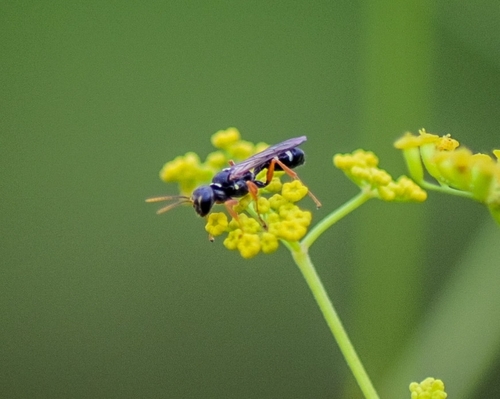
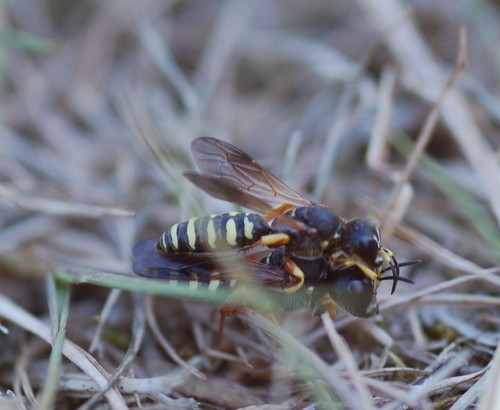
Miscophus spurius is a small, metallic-bodied parasitoid wasp with distinctive dark bronze coloration and reduced wing venation. This critically endangered species plays a vital ecological role as a specialist parasitoid of specific spider species, helping regulate arachnid populations in its native ecosystem.

01Classification

Taxonomy & Classification

Kingdom

Animalia

Phylum

Arthropoda

Class

Insecta

Order

Hymenoptera

Family

Crabronidae

Genus

Miscophus

hietakahvahukka belongs to the family Crabronidae, order Hymenoptera, within the Insecta class.

02Description

Species Profile

Miscophus spurius is a small, metallic-bodied parasitoid wasp with distinctive dark bronze coloration and reduced wing venation. This critically endangered species plays a vital ecological role as a specialist parasitoid of specific spider species, helping regulate arachnid populations in its native ecosystem.

Miscophus spurius faces severe population declines due to habitat destruction from agricultural expansion and urbanization across its limited range. The species' specialized parasitoid lifestyle makes it particularly vulnerable to pesticide use and the decline of its specific host species, creating cascading effects that threaten remaining populations.

Key Facts

IUCN StatusCritically Endangered (CR)
GroupInsects
03Habitat

Habitat & Distribution

This species inhabits sandy soils in open woodlands, forest edges, and semi-natural grasslands where it can construct its ground-nesting burrows. It requires areas with adequate populations of its specific spider hosts and suitable loose substrate for nest excavation.

04Threats

Threats

!

IUCN Red List: Critically Endangered

Miscophus spurius faces severe population declines due to habitat destruction from agricultural expansion and urbanization across its limited range. The species' specialized parasitoid lifestyle makes it particularly vulnerable to pesticide use and the decline of its specific host species, creating cascading effects that threaten remaining populations.

Decline of specific host insect populations

HighOngoing

Habitat loss from agricultural conversion

HighOngoing

Pesticide contamination affecting host species

HighOngoing

Urban development fragmenting suitable habitat

HighOngoing

Climate change altering host-parasitoid dynamics

MediumOngoing
Community

Community Sightings

Report a sighting

No community sightings yet. Be the first to report!

07Sources

Sources & Attribution

How to Cite

IUCN: IUCN (2025). The IUCN Red List of Threatened Species. Version 2025-1. Available at: https://www.iucnredlist.org. doi:10.2305/IUCN.UK.2025-1.RLTS

GBIF: GBIF.org (2025). GBIF Home Page. Available at: https://www.gbif.org

This page: SpeciesRadar (2025). hietakahvahukka (Miscophus spurius). SpeciesRadar: Intelligence for Earth's Biodiversity. Available at: https://speciesradar.org/species/hietakahvahukka

Full citation guide & data usage terms