Chafer
Gnorimus variabilis
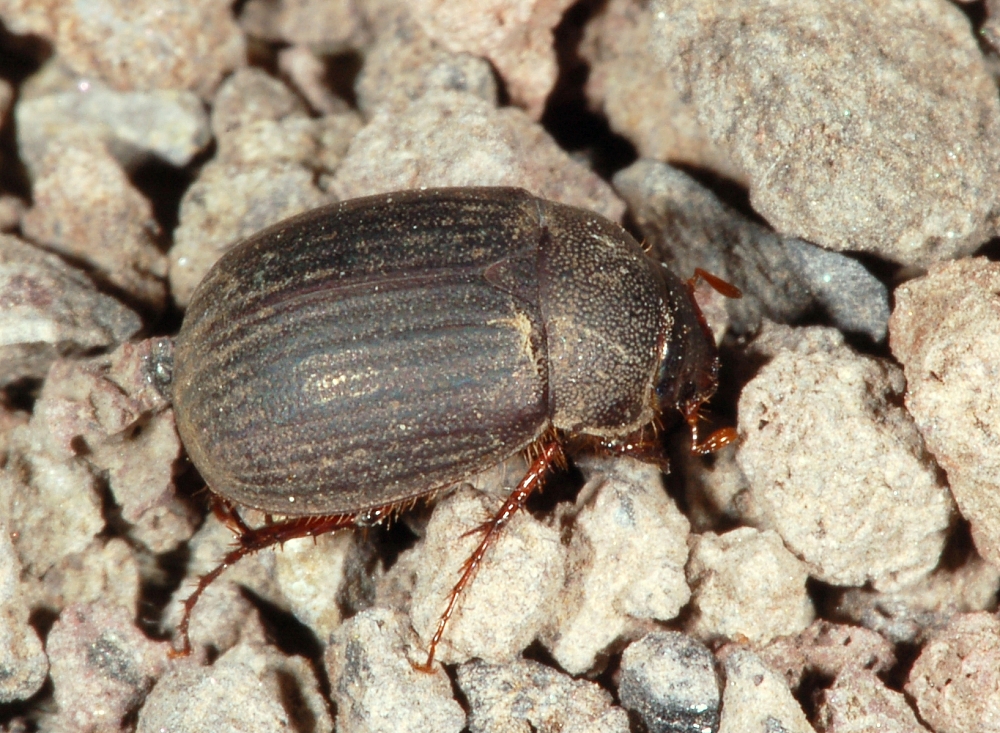
Gnorimus variabilis, also known as the variable chafer, is a species of scarab beetle belonging to the subfamily Cetoniinae, the flower chafers. It was first described by Carl Linnaeus in 1758.
31
Countries
Photo: Wikimedia Commons (CC) via https://en.wikipedia.org/wiki/Gnorimus_variabilis
Taxonomy & Classification
Kingdom
Animalia
Phylum
Arthropoda
Class
Insecta
Order
Coleoptera
Family
Scarabaeidae
Genus
Gnorimus
Chafer belongs to the family Scarabaeidae, order Coleoptera, within the Insecta class.
Species Profile
Gnorimus variabilis, also known as the variable chafer, is a species of scarab beetle belonging to the subfamily Cetoniinae, the flower chafers. It was first described by Carl Linnaeus in 1758. The species is native to Europe and is usually found in oak and beech woods or parkland.
Gnorimus variabilis faces severe population decline primarily due to habitat loss from deforestation and the removal of old-growth trees containing the hollow trunks essential for its larval development. The species' dependence on ancient woodland ecosystems makes it extremely vulnerable to forest fragmentation and modern forestry practices that eliminate dead and dying trees.
Key Facts
Habitat & Distribution
When the Gnorimus variabilis is a larva, it develops in wood mold like the trunks or the branches. Normally, larvae had a growing time of around 2 years. However that can depend on the environmental situation. Gnorimus variabilis is located in particular areas in different countries. For instance, it maybe found in conifers in Southern Europe. In the United Kingdom, it may be hidden in the old...
Threats
IUCN Red List: Critically Endangered
Gnorimus variabilis faces severe population decline primarily due to habitat loss from deforestation and the removal of old-growth trees containing the hollow trunks essential for its larval development. The species' dependence on ancient woodland ecosystems makes it extremely vulnerable to forest fragmentation and modern forestry practices that eliminate dead and dying trees.
Forest fragmentation
Loss of old-growth forest habitat
Removal of dead and hollow trees
Climate change affecting forest composition
Intensive forestry practices
Found in 31 Countries
National vs Global Threat Status
How this species is assessed at the national level compared to its IUCN global status (CR).
| Country | National Status | Global Status | Comparison |
|---|---|---|---|
| EU | NTNear Threatened | CRCritically Endangered | Lower local risk |
| EU | NTNear Threatened | CRCritically Endangered | Lower local risk |
National Red List data sourced from the National Red List Project (nationalredlist.org, ZSL) and country-specific Red List authorities.
Community Sightings
Report a sightingNo community sightings yet. Be the first to report!
Sources & Attribution
How to Cite
IUCN: IUCN (2025). The IUCN Red List of Threatened Species. Version 2025-1. Available at: https://www.iucnredlist.org. doi:10.2305/IUCN.UK.2025-1.RLTS
GBIF: GBIF.org (2025). GBIF Home Page. Available at: https://www.gbif.org
National Red Lists: ZSL (2025). National Red List. Zoological Society of London. Available at: https://www.nationalredlist.org
This page: SpeciesRadar (2025). Chafer (Gnorimus variabilis). SpeciesRadar: Intelligence for Earth's Biodiversity. Available at: https://speciesradar.org/species/chafer