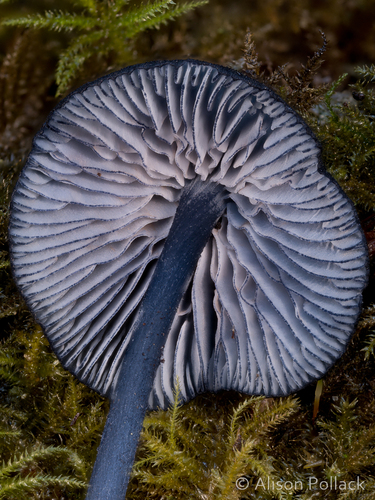
Charmer Pinkgill
Entoloma callirhodon
Photo: iNaturalist: (c) Alison Pollack, some rights reserved (CC BY-NC), uploaded by Alison Pollack
Overview
The Charmer Pinkgill is a distinctive mushroom species characterized by its pale cap and notably pink gills that become more pronounced with age. This saprotrophic fungus plays a crucial ecological role in forest ecosystems by decomposing organic matter and recycling nutrients back into the soil. Its delicate fruiting bodies emerge from late summer through autumn in specific woodland habitats.
The Charmer Pinkgill faces severe population declines primarily due to habitat loss from agricultural expansion and urban development in its limited range. Climate change and pollution further threaten the specific soil and vegetation conditions this fungus requires for survival.
Habitat
This species occurs in mature deciduous and mixed woodlands, particularly favoring areas with rich, well-drained soils beneath oak, beech, and maple trees. It typically fruits in small clearings or along woodland edges where dappled sunlight penetrates the canopy.
Other threatened species in Entolomataceae

Frequently asked questions
Why is Charmer Pinkgill classified as Endangered?
Where does Charmer Pinkgill live?
What are the main threats to Charmer Pinkgill?
Get weekly conservation intelligence
One short digest a week of the most striking species and country data we ship, plus breaking conservation news paired with our database where it matters.
Free, no spam. One-click unsubscribe in every email.