Cerastium blyttii
Overview
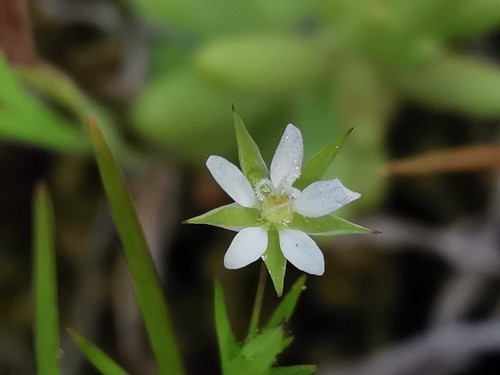
Céraiste de Blytt (Cerastium blyttii) is a small, cushion-forming perennial herb in the carnation family, characterized by its dense clusters of white, five-petaled flowers and narrow, greyish-green leaves covered in fine hairs. This Arctic-alpine specialist plays a crucial role in stabilizing soil and providing nectar resources in harsh, high-elevation environments where few other flowering plants can survive.
Cerastium blyttii faces severe threats primarily from habitat loss and degradation due to human activities in its limited alpine and subalpine range. Climate change poses an additional significant threat by altering the specialized high-altitude ecosystems this species depends on. The species' extremely restricted distribution makes it particularly vulnerable to local extinctions from these combined pressures.
Habitat
Cerastium blyttii inhabits exposed rocky ledges, scree slopes, and alpine fellfields at high elevations, typically above 1,500 meters. It thrives in well-drained, mineral-rich soils with minimal organic matter, often growing in crevices and among loose stones where snow persists late into the growing season.
Other threatened species in Caryophyllaceae


Frequently asked questions
Why is Cerastium blyttii classified as Critically Endangered?
Where does Cerastium blyttii live?
What are the main threats to Cerastium blyttii?
Get weekly conservation intelligence
One short digest a week of the most striking species and country data we ship, plus breaking conservation news paired with our database where it matters.
Free, no spam. One-click unsubscribe in every email.