Bactris coloniata
Overview
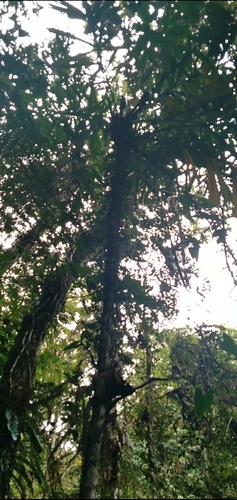
Bactris coloniata is a clustering palm with stems up to 7m tall. It is found in Colombia, Panama, and Peru. It is threatened by habitat loss.
Chacarrá (Bactris coloniata) faces significant pressure from habitat loss due to agricultural expansion and urban development throughout its range in Central and South America. Deforestation for cattle ranching and palm oil plantations has fragmented populations, while climate change is altering precipitation patterns critical for this palm's reproduction and survival.
Habitat
This palm species inhabits tropical moist lowland forests, forest edges, and secondary growth areas from sea level to approximately 1,000 meters elevation. It typically occurs in areas with high humidity and consistent rainfall, often found in gallery forests along rivers and in partially disturbed forest environments.
Other threatened species in Arecaceae
Frequently asked questions
Why is Bactris coloniata classified as Vulnerable?
Where does Bactris coloniata live?
What are the main threats to Bactris coloniata?
Get weekly conservation intelligence
One short digest a week of the most striking species and country data we ship, plus breaking conservation news paired with our database where it matters.
Free, no spam. One-click unsubscribe in every email.