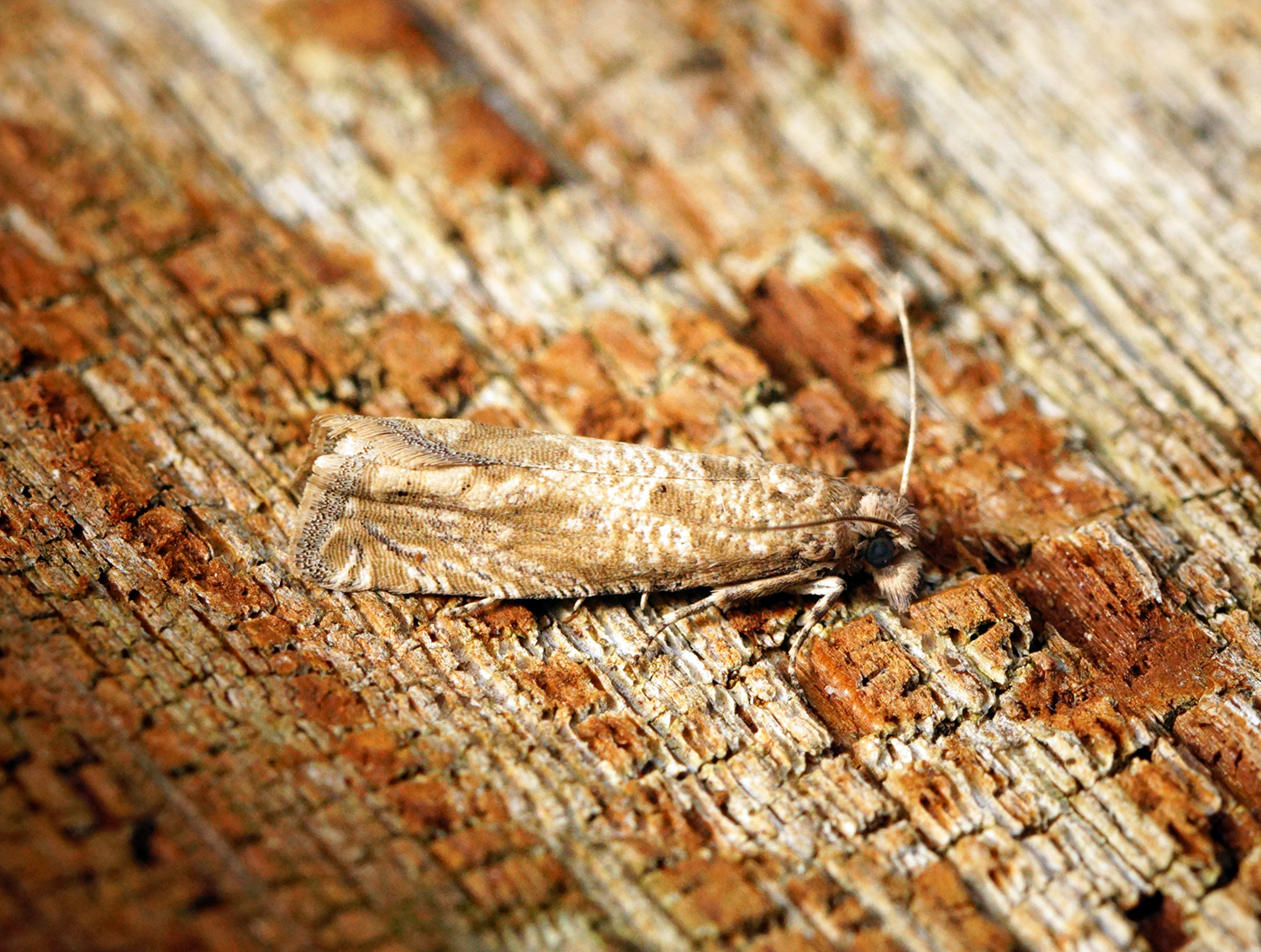
Chalk-hill Bell
Pelochrista caecimaculana
Photo: Wikimedia Commons (CC) via https://en.wikipedia.org/wiki/Pelochrista_caecimaculana
Overview
Pelochrista caecimaculana is a moth belonging to the family Tortricidae. The species was first described by Jacob Hübner in 1799.
The Chalk Hill Tortrix is primarily threatened by habitat loss and degradation of its specialized chalk downland habitat due to agricultural intensification, urban development, and changes in traditional grazing management. The species' highly restricted distribution and specific ecological requirements make it particularly vulnerable to local extinctions from habitat fragmentation and climate change impacts on chalk grassland ecosystems.
Habitat
Other threatened species in Tortricidae


Threatened in Åland Islands


Frequently asked questions
Why is Chalk-hill Bell classified as Endangered?
Where does Chalk-hill Bell live?
What are the main threats to Chalk-hill Bell?
Get weekly conservation intelligence
One short digest a week of the most striking species and country data we ship, plus breaking conservation news paired with our database where it matters.
Free, no spam. One-click unsubscribe in every email.