
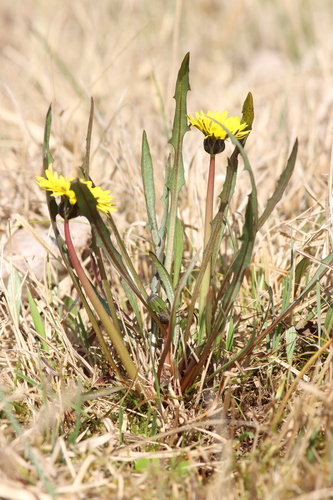
Carline Thistle
Carlina vulgaris
Photo: Wikimedia Commons (CC) via https://en.wikipedia.org/wiki/Carlina_vulgaris
Overview
Carline Thistle is a distinctive biennial herb characterized by its spiny, silvery-white flower heads surrounded by papery, straw-colored bracts that remain attractive long after flowering. This hardy plant typically reaches 10-60cm in height and plays an important ecological role as a nectar source for various butterflies, bees, and other pollinators in nutrient-poor grassland ecosystems.
Carline Thistle (Carlina vulgaris) is declining primarily due to habitat loss from agricultural intensification and changes in traditional land management practices. The abandonment of extensive grazing systems and conversion of semi-natural grasslands to intensive agriculture or forestry has significantly reduced suitable habitat for this species.
Habitat
Carline Thistle thrives in short, species-rich calcareous grasslands, chalk downs, and limestone pavements where soils are thin, well-drained, and low in nutrients. It is particularly associated with traditionally grazed pastures and ancient grasslands that have never been ploughed or artificially fertilized.
Other threatened species in Asteraceae

Frequently asked questions
Why is Carline Thistle classified as Endangered?
Where does Carline Thistle live?
What are the main threats to Carline Thistle?
Get weekly conservation intelligence
One short digest a week of the most striking species and country data we ship, plus breaking conservation news paired with our database where it matters.
Free, no spam. One-click unsubscribe in every email.