
Chestnut Groundling
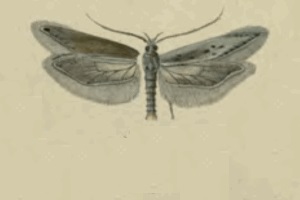
Teleiodes flavimaculella
Photo: Wikimedia Commons (CC) via https://en.wikipedia.org/wiki/Teleiodes_flavimaculella
Overview
Teleiodes flavimaculella, the chestnut groundling, is a moth of the family Gelechiidae. It is widely but locally distributed in Europe, east to Siberia.
The Chestnut Groundling faces significant threats from habitat loss and degradation due to agricultural intensification and urban development across its European range. Climate change is altering the distribution and phenology of its host plants, disrupting critical breeding cycles and larval development.
Habitat
Inhabits dry grasslands, chalk downs, coastal dunes, and scrubland areas with sparse vegetation where its host plants in the Chenopodiaceae family occur. Typically found in open, sunny locations with well-drained soils from sea level to moderate elevations.
Other threatened species in Gelechiidae


Threatened in Austria
Frequently asked questions
Why is Chestnut Groundling classified as Vulnerable?
Where does Chestnut Groundling live?
What are the main threats to Chestnut Groundling?
Get weekly conservation intelligence
One short digest a week of the most striking species and country data we ship, plus breaking conservation news paired with our database where it matters.
Free, no spam. One-click unsubscribe in every email.