Taraxacum molybdolepis
Overview
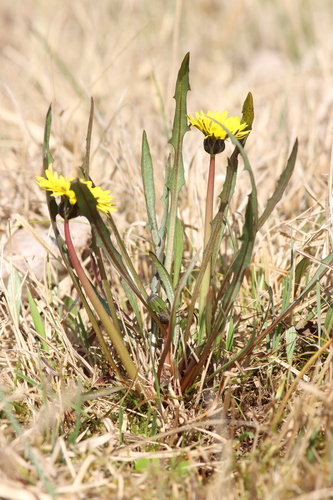
Kopparmaskros (Taraxacum molybdolepis) is a rare dandelion species distinguished by its copper-colored flower heads and distinctive molybdenum-tinted bracts that give it its Swedish common name meaning 'copper dandelion'. This perennial herb plays a specialized role in its ecosystem by providing early-season nectar for endemic pollinators and serving as a host plant for several rare microlepidoptera species.
Kopparmaskros (Taraxacum molybdolepis) is critically endangered due to its extremely limited distribution in northern Sweden, where it faces habitat degradation from human activities and climate change. The species is restricted to a few small populations in specialized alpine and subalpine environments that are highly vulnerable to disturbance and environmental changes.
Habitat
Kopparmaskros occurs exclusively in metalliferous soils with high copper and molybdenum content, typically found on exposed mineral outcrops and abandoned mine tailings. The species requires well-drained, alkaline substrates with specific heavy metal concentrations that few other plants can tolerate.
Other threatened species in Asteraceae

Frequently asked questions
Why is Taraxacum molybdolepis classified as Critically Endangered?
Where does Taraxacum molybdolepis live?
What are the main threats to Taraxacum molybdolepis?
Get weekly conservation intelligence
One short digest a week of the most striking species and country data we ship, plus breaking conservation news paired with our database where it matters.
Free, no spam. One-click unsubscribe in every email.