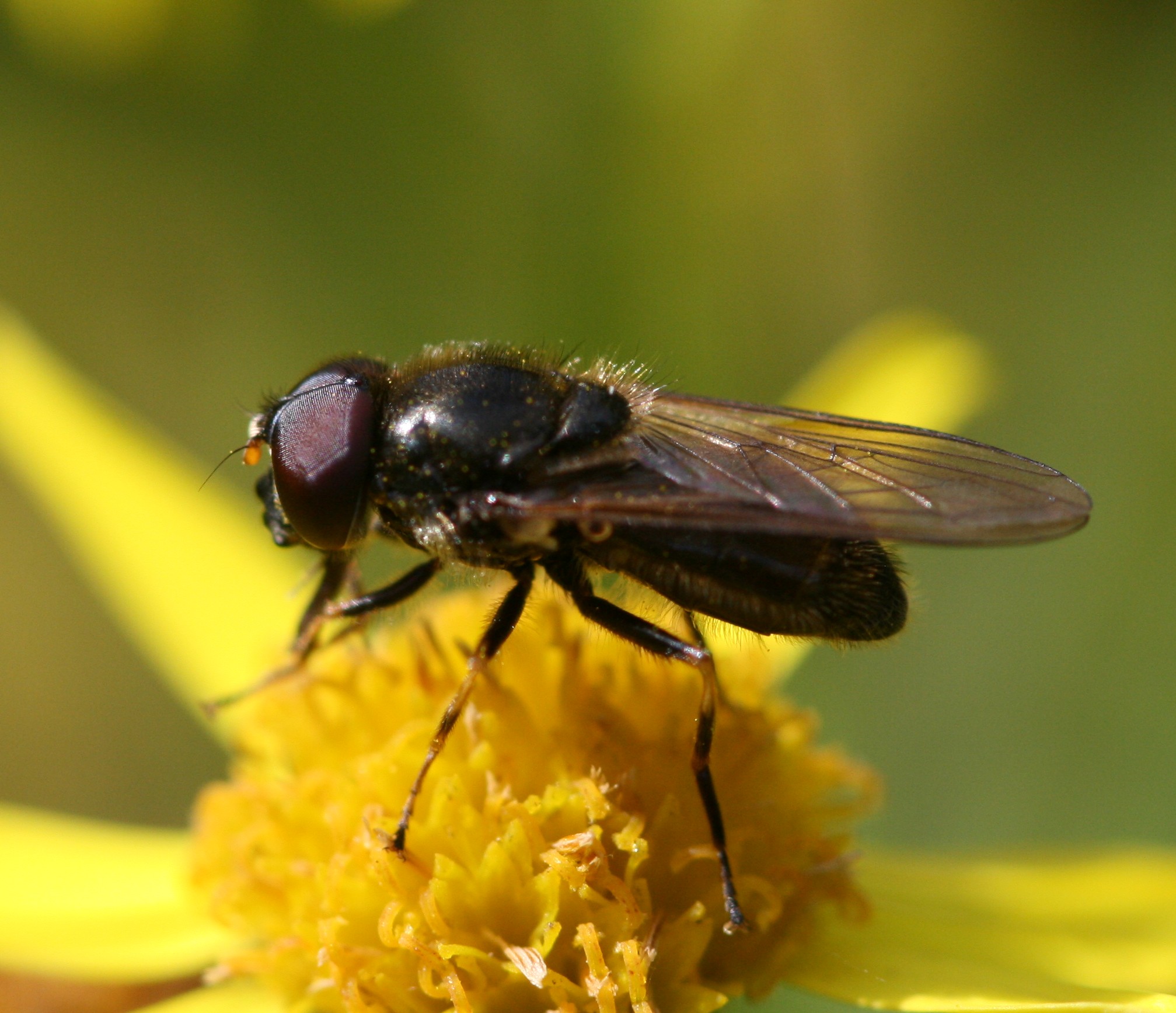
Cheilosia bergenstammi
Photo: Wikimedia Commons (CC) via https://en.wikipedia.org/wiki/Cheilosia_bergenstammi
Overview
Cheilosia bergenstammi is a widespread European species of hoverfly. Adults can be found in summer visiting ragwort flowers and this plant is also the larval hostplant.
Cheilosia bergenstammi faces severe population declines primarily due to habitat loss and degradation of its specialized wetland environments. The species is particularly vulnerable to drainage of peat bogs and marshlands, along with agricultural intensification that eliminates the specific plant communities it depends on for breeding and feeding.
Habitat
Scandinavia South to the Pyrenees and North Spain. Ireland east through central Europe to European Russia.
Habitat.Ireland.
Other threatened species in Syrphidae


Threatened in Austria
Frequently asked questions
Why is Cheilosia bergenstammi classified as Endangered?
Where does Cheilosia bergenstammi live?
What are the main threats to Cheilosia bergenstammi?
Get weekly conservation intelligence
One short digest a week of the most striking species and country data we ship, plus breaking conservation news paired with our database where it matters.
Free, no spam. One-click unsubscribe in every email.