Hieracium intermarginatum
Overview
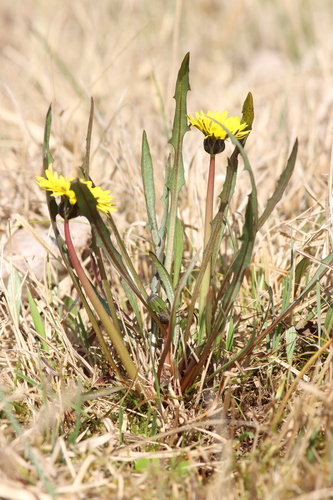
Kuggfibbla (Hieracium intermarginatum) is a rare perennial hawkweed species characterized by its distinctive pale yellow flower heads and deeply lobed leaves with characteristic white-margined edges. This specialized herbaceous plant plays a crucial role in its ecosystem by providing nectar for endemic pollinators and serving as a host plant for several rare butterfly larvae.
Hieracium intermarginatum faces severe population decline primarily due to habitat loss from agricultural intensification and urban development in its limited range. The species' extremely restricted distribution makes it particularly vulnerable to localized threats, while climate change poses additional pressure on its specialized habitat requirements.
Habitat
Kuggfibbla occurs exclusively in calcareous grasslands and limestone cliff crevices at elevations between 800-1200 meters, requiring well-drained alkaline soils with specific moisture regimes. The species is typically found in south-facing slopes with partial shade from scattered shrubs and rocky outcrops.
Other threatened species in Asteraceae

Frequently asked questions
Why is Hieracium intermarginatum classified as Critically Endangered?
Where does Hieracium intermarginatum live?
What are the main threats to Hieracium intermarginatum?
Get weekly conservation intelligence
One short digest a week of the most striking species and country data we ship, plus breaking conservation news paired with our database where it matters.
Free, no spam. One-click unsubscribe in every email.