ENEndangered

krokhorndyvel

Onthophagus fracticornis

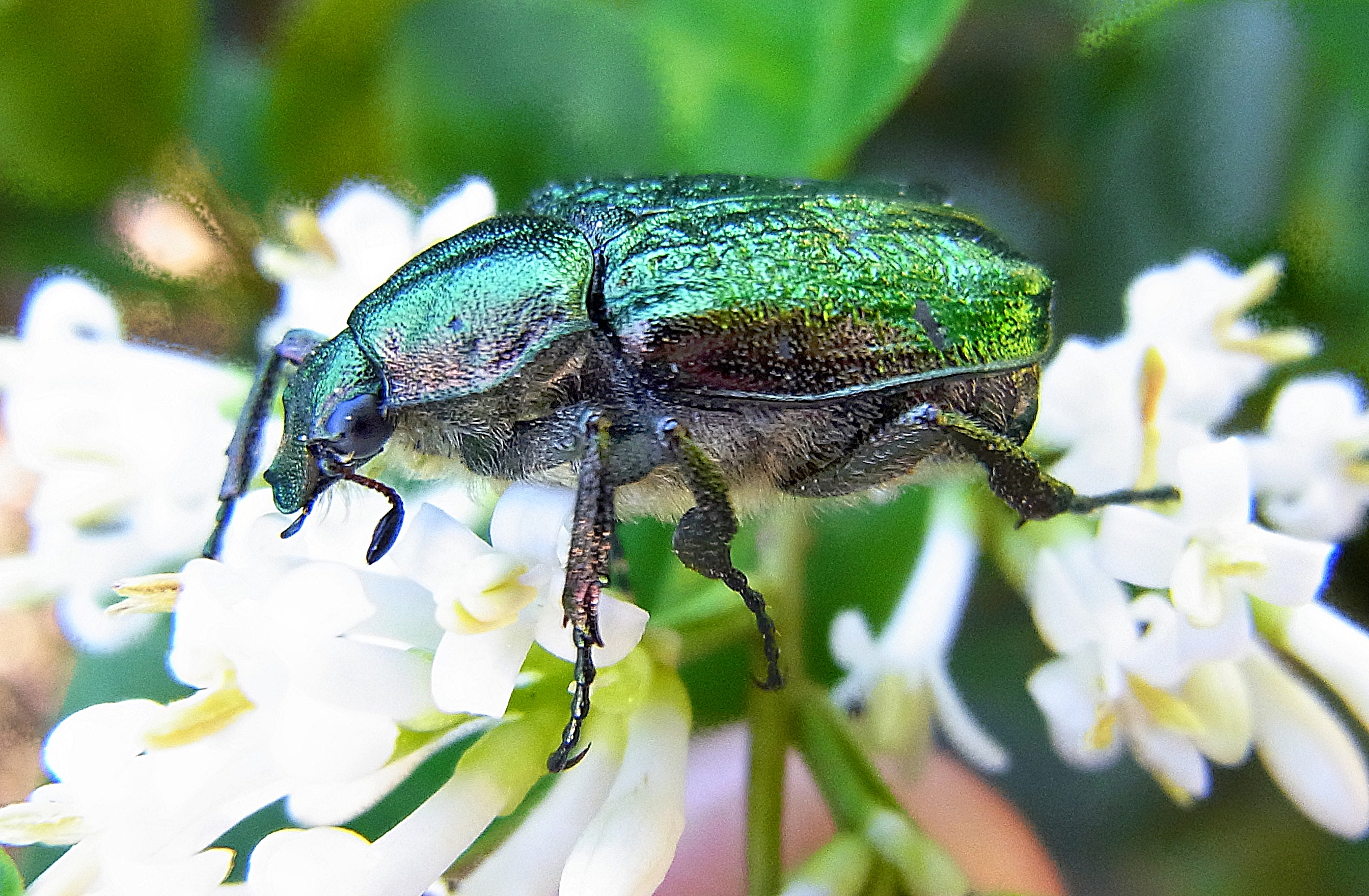
The krokhorndyvel (Onthophagus fracticornis) is a distinctive dung beetle characterized by its fractured or broken-appearing horn structures on the male's head and pronotum. This medium-sized scarab plays a crucial ecological role as a decomposer, processing mammalian dung and contributing to nutrient cycling in its ecosystem.

40

Countries

01Classification

Taxonomy & Classification

Kingdom

Animalia

Phylum

Arthropoda

Class

Insecta

Order

Coleoptera

Family

Scarabaeidae

Genus

Onthophagus

krokhorndyvel belongs to the family Scarabaeidae, order Coleoptera, within the Insecta class.

02Description

Species Profile

The krokhorndyvel (Onthophagus fracticornis) is a distinctive dung beetle characterized by its fractured or broken-appearing horn structures on the male's head and pronotum. This medium-sized scarab plays a crucial ecological role as a decomposer, processing mammalian dung and contributing to nutrient cycling in its ecosystem.

The krokhorndyvel (Onthophagus fracticornis) is declining primarily due to habitat loss from agricultural intensification and urban development in its limited range. The species is particularly vulnerable due to its specialized ecological requirements and small population size, making it susceptible to local extinctions from environmental changes.

Key Facts

IUCN StatusEndangered (EN)
GroupInsects
03Habitat

Habitat & Distribution

This species inhabits open grasslands and savanna ecosystems where large herbivorous mammals congregate, particularly areas with sandy or well-draining soils suitable for underground nesting. It shows strong preference for regions with consistent dung availability from native ungulates and traditional extensive grazing systems.

04Threats

Threats

!

IUCN Red List: Endangered

The krokhorndyvel (Onthophagus fracticornis) is declining primarily due to habitat loss from agricultural intensification and urban development in its limited range. The species is particularly vulnerable due to its specialized ecological requirements and small population size, making it susceptible to local extinctions from environmental changes.

Habitat loss and fragmentation from agricultural expansion

HighOngoing

Small population size increasing extinction risk

HighOngoing

Urban development and infrastructure projects

HighOngoing

Agricultural intensification and pesticide use

MediumOngoing

Climate change affecting suitable habitat

MediumOngoing
Community

Community Sightings

Report a sighting

No community sightings yet. Be the first to report!

07Sources

Sources & Attribution

How to Cite

IUCN: IUCN (2025). The IUCN Red List of Threatened Species. Version 2025-1. Available at: https://www.iucnredlist.org. doi:10.2305/IUCN.UK.2025-1.RLTS

GBIF: GBIF.org (2025). GBIF Home Page. Available at: https://www.gbif.org

This page: SpeciesRadar (2025). krokhorndyvel (Onthophagus fracticornis). SpeciesRadar: Intelligence for Earth's Biodiversity. Available at: https://speciesradar.org/species/krokhorndyvel

Full citation guide & data usage terms